Signs your liver is detoxifying are frequently confused with abnormal bodily symptoms. In reality, these are often natural physiological responses as the liver recovers from the prolonged impacts of alcohol, medications, or an unhealthy lifestyle. Understanding this correctly helps support liver detoxification effectively and strengthens your body’s natural defense barrier.
What is liver toxicity?
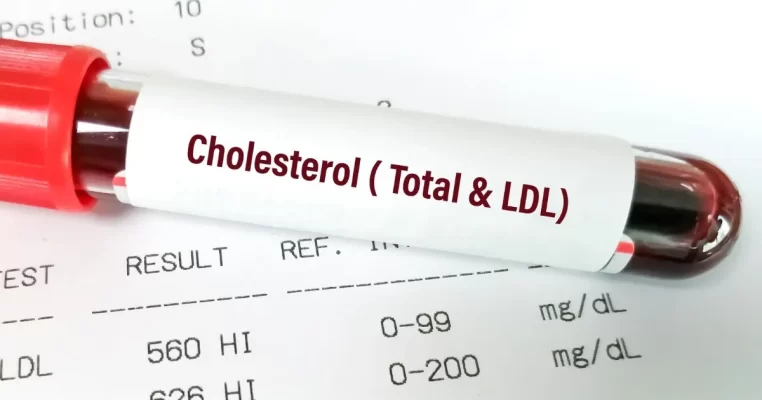
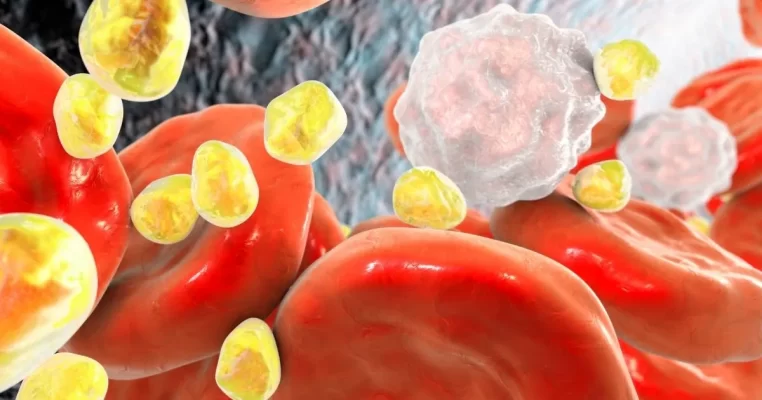
Liver toxicity occurs when the liver is overloaded with toxins, impairing its capacity to metabolize and excrete dangerous substances. As a result, toxins accumulate in the bloodstream, adversely affecting the skin, digestive tract, nervous system, and immune function.
The liver plays a central role in metabolizing medications, alcohol, chemicals, and endogenous (internally generated) toxins. When the toxic load exceeds its processing capacity, liver cells are prone to inflammation, degeneration, or long-term structural damage.
4 causes of liver toxicity
Common causes of liver toxicity stem primarily from modern lifestyles and unregulated medication use. The top 4 causes of liver toxicity include:
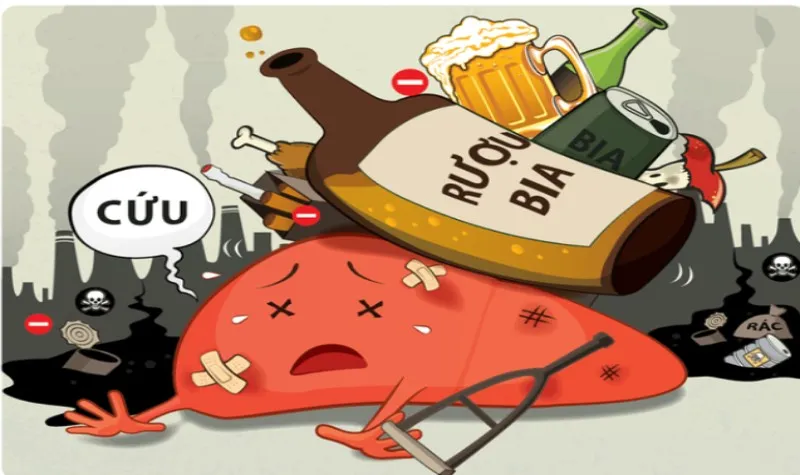
- Alcohol: This is the leading trigger. When ethanol enters the liver, it metabolizes into acetaldehyde, a highly toxic compound that causes chronic inflammation and liver cell necrosis (cell death) if it accumulates over time.
- Prescription and over-the-counter medications: Particularly paracetamol (commonly known as acetaminophen in the US), antibiotics, and painkillers, can cause liver toxicity when used long-term or incorrectly. According to the U.S. Food and Drug Administration (FDA), acetaminophen is the leading cause of acute drug-induced liver failure.
- High-fat diets: Consuming greasy foods and heavily processed items increases the liver’s metabolic workload, promoting fatty liver disease – the foundation of chronic liver toxicity.
- Declining liver function: Due to aging or medical conditions like non-alcoholic fatty liver disease (NAFLD), diabetes, and metabolic syndrome, the liver’s toxin-processing capacity decreases. This condition requires micronutrient supplementation to support liver enzymes and combat oxidative stress, rather than temporary, unscientific “detox” fads.
What exactly is liver detoxification?
True liver detoxification is not an overnight “liver flush” or a sudden purging of waste. Instead, it is a continuous, complex sequence of biochemical reactions occurring inside liver cells.
The liver detoxifies harmful substances through 2 main phases:
- Phase I: Converts fat-soluble toxins into highly reactive intermediate compounds.
- Phase II: Conjugates (binds) these intermediates with specific molecules to make them water-soluble, allowing safe excretion via bile or urine.
This natural process relies heavily on specific liver enzymes, B-complex vitamins, glutathione, and trace minerals. Therefore, supporting liver detoxification must focus on optimizing natural physiological functions, rather than forcing the organ to overwork through unscientific methods.
Signs your liver is detoxifying
Signs your liver is detoxifying can surface clearly and are often misinterpreted as “liver weakness.” In reality, these symptoms reflect normal physiological adjustments as the body reacts to signs of liver toxicity. However, it is vital to monitor these signs to ensure the liver is not genuinely overwhelmed and requiring immediate clinical intervention.
Common signs of normal liver detoxification include:
- Mild acne breakouts, more regular bowel movements, or temporarily darker urine. These symptoms indicate that the liver is actively filtering and eliminating metabolic waste via the biliary and renal pathways.
- Feeling sleepy earlier in the evening is also a positive indicator, signaling that the body is prioritizing cellular repair and detoxification.
If these symptoms persist, or are accompanied by jaundice (yellowing of the skin and eyes), severe itching, or right upper quadrant abdominal pain, you must seek medical evaluation to rule out structural liver damage.
Recognizing signs of liver detox working effectively
When your liver successfully restores its function and purifies toxins naturally, your body sends out distinct, positive physiological signals.
Signs of liver detox working effectively include:
- Stabilized digestion: Consistent, well-formed stools, along with reduced bloating and flatulence, indicate healthy bile flow, helping the liver eliminate waste through the digestive tract efficiently.
- Visible skin improvements: Brighter skin, along with a reduction in inflammatory acne or excessive sebum (oil) production, reflects decreased toxin levels in the bloodstream, easing the skin’s excretory burden.
- Deeper, more consistent sleep: Falling asleep easily and experiencing fewer nighttime awakenings demonstrate that the liver and autonomic nervous system are recovering in sync.
- Enhanced daytime alertness: Reduced fatigue and sharper mental clarity indicate that energy metabolism and waste clearance mechanisms are actively improving.
Supporting liver detoxification simply, effectively, and safely
Although the liver is inherently designed to filter toxins, it occasionally requires external support to prevent cellular overload and chronic disease. To keep your liver operating at its optimal rhythm, intervention strategies should focus on optimizing natural physiological conditions.
4 essential lifestyle habits to support liver detoxification:
- Prioritize proper sleep hygiene: The liver detoxifies most intensely at night, particularly between 11 PM and 3 AM. Maintaining an early sleep routine allows liver detoxification enzymes to function optimally, minimizing toxic accumulation and preventing liver cell damage.
- Adjust dietary choices: Reducing alcohol consumption and limiting high-fat or processed foods significantly lowers the liver’s metabolic workload. Increasing your intake of green vegetables and antioxidant-rich fruits empowers the liver to neutralize free radicals better.
- Maintain optimal daily hydration: Drinking sufficient water enables the liver and kidneys to smoothly excrete metabolic waste through urine and bile, while maintaining stable fluid circulation for detoxification.
- Engage in gentle physical activity: Low-impact exercises like walking or yoga enhance blood flow through the liver, boost insulin sensitivity, and mitigate the risk of fatty liver disease.
When signs of liver toxicity appear, proactively supplementing target micronutrients is essential to supply cellular energy to the liver and ensure your body’s self-repair mechanisms function properly. Vital vitamins and minerals required for liver detoxification include:
- B-complex vitamins: These vitamins participate directly in Phase II liver detoxification, aiding the conversion of harmful toxins into water-soluble forms for easy elimination. A shortage of B vitamins can stall detoxification and increase toxic accumulation risks.
- Vitamins C and E: These are critical antioxidants that reduce oxidative stress within liver tissue, safeguarding cell membranes against the damaging effects of alcohol and environmental toxins.
- Zinc and selenium: These trace elements support liver enzyme activity and fortify the immune system, contributing to long-term hepatic stability.
A clinical study published in Nutrients (2020) by Li et al. evaluated 120 individuals with non-alcoholic fatty liver disease (NAFLD). The data revealed that after 12 weeks of targeted supplementation with vitamins B, C, and E, serum levels of the liver enzyme ALT (Alanine aminotransferase) decreased by 18.6%, and AST (Aspartate aminotransferase) decreased by 15.2% compared to the control group. These clinically proven results demonstrate that rational micronutrient intake supports safe, controlled liver detoxification.
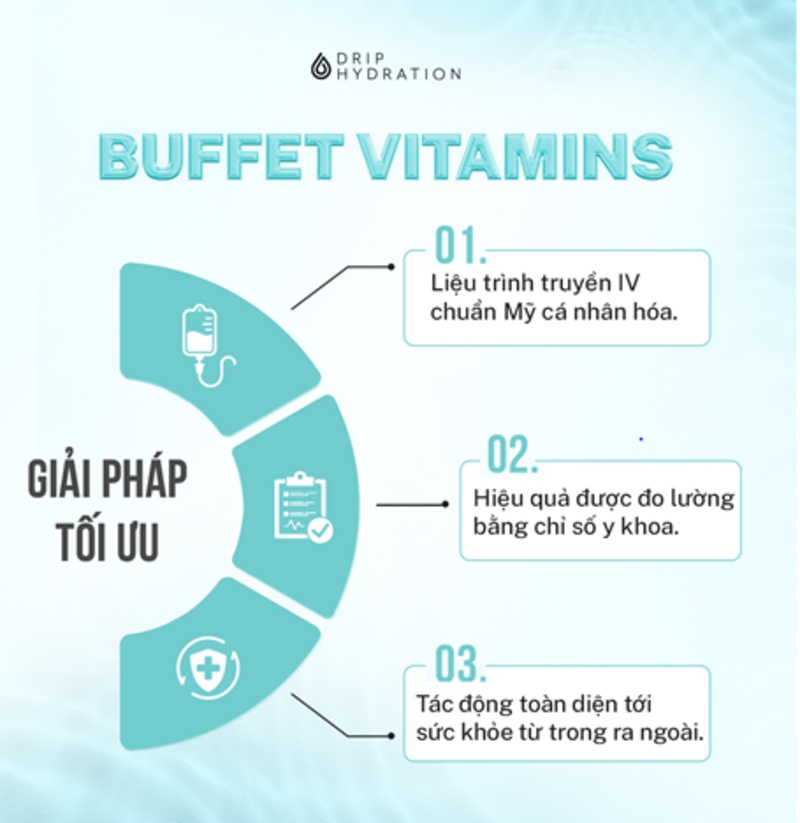
Supplementing vitamins and essential micronutrients via intravenous (IV) therapy is a modern medical method designed to optimize liver function and enhance metabolic waste clearance. Delivering vital nutrients directly into the circulatory system maximizes bioavailability, allowing the liver to function sustainably over the long term.
Explore our specialized cellular detoxification and metabolic recovery IV drip protocols here, or contact our hotline at 0901885088 for a professional medical consultation and booking. Drip Hydration is a global US clinic brand operating in over 100 major cities across 150 international locations, including Vietnam. All therapies are personalized to your unique physiological status and strictly monitored by medical professionals before, during, and after administration.
This protocol serves as an excellent periodic maintenance therapy to promote systemic whole-body detoxification. It is highly indicated for individuals with elevated risk profiles, such as frequent alcohol consumers, patients on long-term medications, those on high-fat diets, or individuals already displaying signs of liver function decline.
Spotting the early signs your liver is detoxifying is the best way to evaluate the efficacy of your personal wellness routine. Ensure you maintain a clean diet and a structured lifestyle to facilitate optimal hepatic recovery. Wishing you a light, vibrant, and energy-filled body soon!
References
- https://pubmed.ncbi.nlm.nih.gov/31100341/
- https://www.mdpi.com/2072-6643/12/2/508
- https://www.health.harvard.edu/topics/liver-disease
Bài viết của: Biên tập viên Drip Hydration