The primary Vitamin B2 benefits center on its ability to facilitate the metabolism of carbohydrates, fats, and proteins into usable cellular energy. Also known as riboflavin, it actively supports central nervous system function, visual health, skin integrity, and the digestive tract. Together, these physiological effects help the body sustain physical stamina, alleviate daily fatigue, and function optimally on a daily basis.
What is vitamin B2?
Vitamin B2 (riboflavin) is a water-soluble vitamin belonging to the B-complex group, essential for the metabolism of carbohydrates, fats, and proteins into cellular energy. Because it is not stored in the body in significant amounts, it must be replenished daily through a nutrient-dense diet or targeted supplementation. Riboflavin also facilitates the synthesis of essential coenzymes, provides cellular antioxidant defense, and supports the central nervous system, vision, skin integrity, and digestive health.
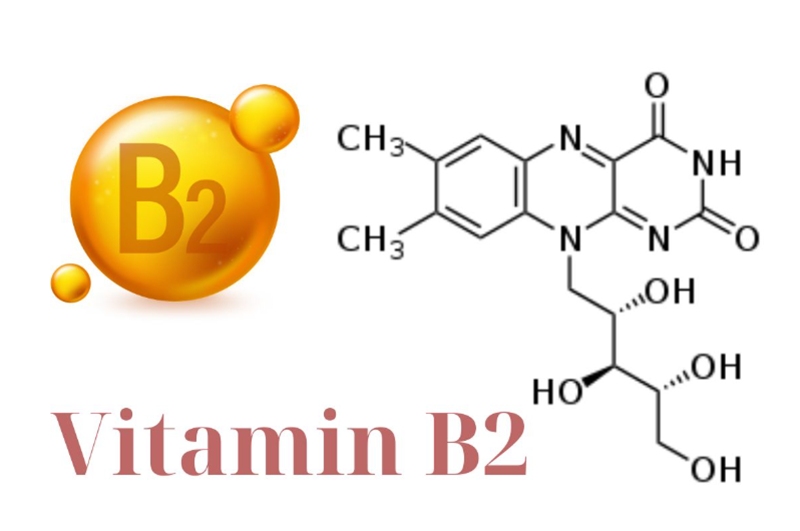
Chemical structure of vitamin B2 (Source: Internet
Key Vitamin B2 benefits
The scope of Vitamin B2 benefits extends far beyond a simple role in energy metabolism; it involves numerous essential biological mechanisms that directly impact tissue and organ system function throughout the body.
- Supports cellular energy production: Riboflavin is a critical precursor to two major coenzymes, FMN and FAD, which play a central role in cellular redox reactions. These coenzymes participate in the electron transport chain within the mitochondria, facilitating the conversion of macronutrients into ATP – the primary energy currency of the cell. A deficiency in riboflavin can impair energy metabolism and lead to chronic fatigue, which highlights why sustained physical vitality is one of the most recognized Vitamin B2 benefits.
- Supports neurological health and helps mitigate migraine frequency: A 2021 clinical review suggests that vitamin B2 supports mitochondrial function, thereby reducing oxidative stress and neuroinflammation – factors closely associated with migraines. For individuals prone to chronic migraines, adequate riboflavin supplementation may help modulate inflammatory cytokines, mitigate the frequency and severity of episodes, and support an improved quality of life.
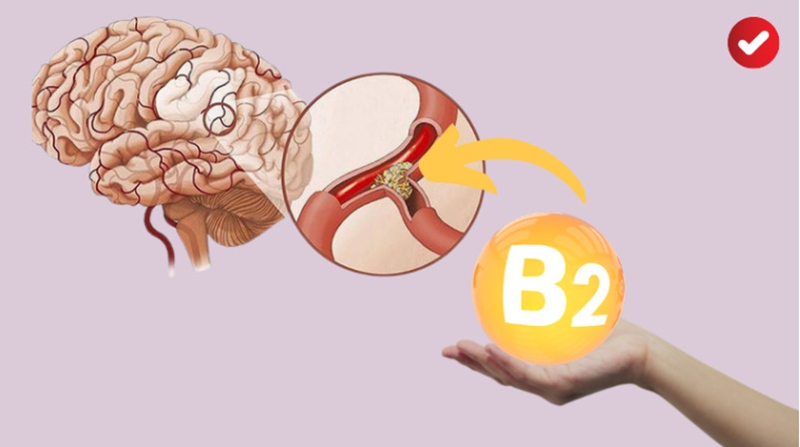
One of the neuroprotective Vitamin B2 benefits includes supporting cerebral cellular resilience against oxidative stress (Source: Internet)
- Maintains ocular health and light-sensitive tissues: The eye is a highly metabolically active organ that is extremely susceptible to oxidative stress. Vitamin B2 plays a crucial role in maintaining the glutathione redox cycle (one of the body’s most potent endogenous antioxidant systems) thereby protecting ocular cells from free radical and photic (light-induced) damage. These protective mechanisms help support long-term retinal function and may mitigate the risk of age-related ocular conditions, such as cataracts.
- Supports healthy red blood cell production and nutrient synergy: Another vital aspect of Vitamin B2 benefits is its ability to support the production of healthy red blood cells and optimize the bioavailability of other crucial vitamins. Riboflavin is required to convert other B vitamins, such as B6, into their active coenzyme forms, and it facilitates the metabolism of tryptophan into niacin (vitamin B3). This synergistic mechanism ensures an efficiently operating enzymatic system and promotes comprehensive cellular health.
- Provides systemic antioxidant protection: Beyond its energy-yielding functions, vitamin B2 is integral to systemic antioxidant defense. Glutathione helps neutralize free radicals and mitigates cellular oxidative damage, a primary driver of premature aging and metabolic dysfunction. According to a 2014 scientific review, riboflavin plays a crucial physiological role in protecting the body against oxidative stress, particularly by inhibiting lipid peroxidation.
What are the clinical signs of vitamin B2 deficiency?
When riboflavin levels are inadequate, the essential coenzymes involved in energy metabolism, red blood cell production, and cellular antioxidant defense function suboptimally, leading to several distinct physiological signs:
- Dermatological and mucosal disturbances: Riboflavin deficiency frequently presents as angular cheilitis (painful cracks at the corners of the mouth), glossitis (inflammation and redness of the tongue), and seborrheic dermatitis, particularly around the nose and mouth.
- Ocular symptoms: Inadequate levels can increase photophobia (light sensitivity), ocular fatigue, and redness. Prolonged deficiency may compromise ocular antioxidant defenses, potentially increasing the risk of age-related visual decline and cataracts.
- Fatigue and muscle weakness: Impaired ATP production can manifest as chronic fatigue, muscular weakness, and reduced physical stamina, depriving you of the core Vitamin B2 benefits associated with systemic energy.
- Cognitive and neurological impacts: Can contribute to recurring headaches, brain fog, mood fluctuations, and a diminished appetite.
- Hematological and metabolic disruptions: Chronic deficiency can impair red blood cell synthesis, potentially leading to normocytic anemia, pale skin, and compromised immune function due to the impaired metabolism of synergistic vitamins.

Ocular fatigue and photophobia can be early clinical indicators of vitamin B2 deficiency (Source: Internet)
Effective and safe strategies for optimal vitamin B2 supplementation
To maintain optimal levels, supplementation should be tailored to individual metabolic demands, dietary habits, and overall health status. Because riboflavin is not stored in the body in significant amounts, it requires consistent daily replenishment through food or targeted dietary supplements.
- Prioritize a nutrient-dense diet: Incorporate a diverse range of dairy, lean meats, fish, eggs, nuts, leafy greens, and whole grains. This foundational approach provides sufficient B2 to support energy metabolism and maximize natural Vitamin B2 benefits.
- Utilize supplements strategically: Targeted supplementation is highly beneficial when dietary intake is inadequate or metabolic demands are elevated – such as for vegans, high-performance athletes, older adults, or individuals with malabsorption issues. The general recommended dietary allowance (RDA) is 1.3 mg/day for adult men and 1.1 mg/day for adult women.
- Leverage B-complex synergy: Riboflavin works synergistically with B6, B12, and niacin (B3). Taking a comprehensive B-complex formulation ensures optimal cellular energy metabolism and supports efficient red blood cell synthesis.
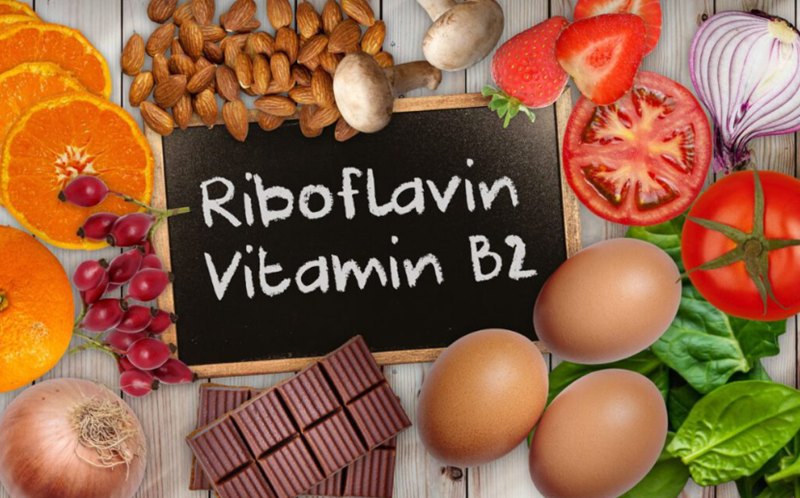 Nutrient-dense whole foods are a primary source for maximizing natural Vitamin B2 benefits (Source: Internet)
Vitamin B2 benefits extend far beyond basic energy provision. They fundamentally support systemic health and optimal cellular function. By facilitating the metabolism of macronutrients, supporting healthy red blood cell production, and optimizing the absorption of synergistic B-complex vitamins, riboflavin acts as a cornerstone of daily wellness. Ensuring adequate intake through a nutrient-dense diet, oral supplements, or advanced IV therapies helps sustain optimal energy levels, mitigate chronic fatigue, and ensure the body operates at its peak physiological capacity.
References:
https://pubmed.ncbi.nlm.nih.gov/34444772/
https://www.mdpi.com/2072-6643/15/10/2283
https://www.cambridge.org/core/journals/british-journal-of-nutrition/article/riboflavin-vitamin-b2-and-oxidative-stress-a-review/808987B9D15917EC23885EDFF5E17534
Bài viết của: Biên tập viên Drip Hydration