Maintaining a healthy body and cognitive clarity is an highly achievable goal. If you are looking for ways to effectively restore vitality after exhausting workdays, the article below provides valuable lifestyle and nutritional insights. Read on to discover how to sustainably recharge your systemic energy!
What does it mean to restore vitality, and what is silently draining yours?
To restore vitality is the physiological process by which the body and brain transition from a state of depletion and breakdown to one of cellular repair, regeneration, and systemic energy replenishment after being drained by work, stress, intense physical activity, or illness.
If you frequently feel tired and sluggish despite not performing heavy physical labor, it may indicate underlying metabolic or cellular imbalances. Many invisible lifestyle factors in modern life can erode your energy reserves day and night without you even realizing it.
The natural age-related decline in reproductive hormones
After the age of 30, the body gradually enters a natural aging phase, often accompanied by a decline in the levels of crucial reproductive hormones such as testosterone in men and estrogen in women. This hormonal shift directly impacts basal metabolism, can reduce lean muscle mass, promotes excess fat accumulation, and simultaneously contributes to sleep disturbances and a marked decline in overall mood and well-being.
HPA axis dysregulation due to prolonged stress and pressure
Chronic stress is a primary factor that depletes your systemic energy. During periods of stress, the adrenal glands secrete elevated levels of cortisol. A 2024 narrative review notes that although the human brain accounts for only 2% of total body weight, it consumes up to 20% of the body’s total energy (ATP). Chronic psychological stress can induce free radical leakage, which compromises mitochondrial membrane integrity.
As a result, the cellular efficiency of ATP production plummets, while the accumulation of metabolic byproducts spikes. This physiological mechanism helps explain why individuals experiencing chronic stress often suffer from unexplained muscle aches and cognitive exhaustion despite not engaging in rigorous physical exertion.

Poor nutrition and sedentary habits weaken mitochondria
Mitochondria serve as the energy-producing powerhouses for every cell in the body. However, dietary habits heavy in processed foods, micronutrient deficiencies, combined with a sedentary lifestyle, can cause mitochondrial degradation and a decrease in their density. When these cellular powerhouses function suboptimally, the body cannot efficiently convert metabolic substrates into energy, leading to prolonged lethargy starting at the cellular level.
A comprehensive 4-step protocol to restore vitality at the cellular level
To sustainably restore vitality, you need an evidence-based strategy that directly supports cellular function and endocrine balance. Below is a clinical 4-step protocol designed to help you sustainably recharge your systemic energy.
Optimize the deep sleep cycle
Deep sleep is the critical window for the body to facilitate cellular repair. During deep sleep, the pituitary gland is stimulated to release growth hormone (GH). This hormone plays a core role in tissue regeneration, systemic energy metabolism, and DNA repair. To optimize this cycle, aim to sleep before 11 PM, keep the environment dark and cool, and limit screen time an hour before bed to support natural melatonin production.
Targeted nutrition to restore vitality
Nutrition provides the essential substrates that nourish cells and support the endocrine system. To effectively restore vitality, prioritize nutrient-dense food groups to support optimal physiological recovery:
- Zinc (Oysters, beef, nuts): An essential micronutrient for protein synthesis and cellular division, supporting robust immune function.
- Magnesium (Dark leafy greens, avocado, dark chocolate): Helps modulate the nervous system, relax skeletal muscles, and support over 300 biochemical reactions that generate ATP (cellular energy). A 2025 systematic review and meta-analysis published in Antioxidants suggests that magnesium supplementation can shorten muscle recovery time by up to 30 – 40% following exercise-induced microtears, helping to mitigate post-exertional fatigue.
- Essential Amino Acids (Eggs, salmon, lean poultry): Provide the fundamental building blocks necessary to repair damaged muscle fibers and synthesize neurotransmitters that promote cognitive clarity.

Engage in resistance training to support natural testosterone production
Testosterone supports muscle synthesis, enhances oxygen utilization, and helps buffer the stress hormone cortisol. Cognitively, it supports dopamine pathways to help clear brain fog, allowing you to restore vitality both physically and mentally more efficiently. Resistance exercises (such as weightlifting or bodyweight training at an appropriate intensity) create a metabolic stimulus for muscle adaptation.
The subsequent recovery process prompts the body to optimize natural testosterone production, a hormone that supports bone mineral density, cognitive focus, and systemic vitality in both men and women.
The recommended approach to resistance training to restore vitality effectively includes:
- Maintaining 3 to 4 resistance training sessions per week.
- Keeping each session to a duration of about 30 to 45 minutes.
Manage stress to regulate cortisol
Successfully managing cortisol creates an optimal environment for the endocrine system to regulate itself and restore homeostasis. Integrating meditation techniques, yoga, box breathing, or simply spending time in nature are evidence-based, effective ways to restore vitality.
Critical mistakes to avoid when trying to restore vitality
When the body enters a state of exhaustion, individuals often seek rapid interventions to regain their stamina. However, applying unscientific or extreme methods not only fails to restore vitality but can inadvertently trigger severe physiological complications.
Misuse of unregulated herbal or tonic liquors
In clinical practice, medicinal compounds are safe only when used at precise dosages under professional guidance. Arbitrarily overdosing or consuming unregulated infused liquors forces the liver and kidneys into overdrive, potentially leading to acute hepatic stress, toxin accumulation, or severe toxicity impacting the central nervous system.
Overtraining during periods of debilitation
Many mistakenly assume that fatigue stems from a lack of physical activity, pushing themselves to perform high-intensity workouts while severely debilitated. This is a critical error. When cellular energy is compromised, forcing muscles into heavy exertion depletes the remaining glycogen reserves and spikes cortisol to alarming levels. This can result in complete systemic exhaustion, severe immune suppression, and can even elevate the risk of exertional rhabdomyolysis or acute cardiovascular events due to sudden physiological overload.
Is it effective to restore vitality in middle age using intravenous micronutrient therapy at Drip Hydration?
Entering middle age, the body undergoes a natural aging phase, often accompanied by hormonal shifts and a decrease in basal metabolic efficiency. Many individuals experience depleted stamina, chronic fatigue, and prolonged sleep disturbances.
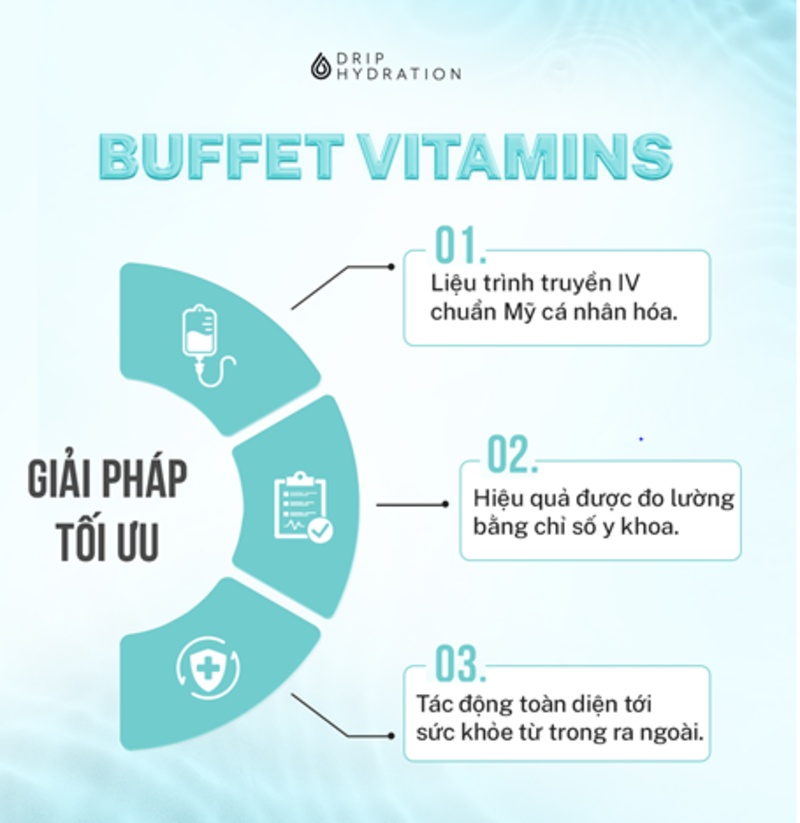
The Energy Boost IV therapy, designed to support metabolic function and energy recovery, is an evidence-based clinical solution that addresses underlying factors of vitality decline (such as systemic micronutrient deficiencies, oxidative stress, and poor gastrointestinal absorption). This targeted intervention revitalizes the physical condition and helps middle-aged individuals restore vitality and maintain sustainable stamina from within.
The formulation is a precise blend of B-complex vitamins, vitamin B6, and vitamin C, with dosages tailored by Drip Hydration’s medical professionals based on each client’s physiological needs.
Nutrients are delivered directly intravenously, ensuring maximum bioavailability and bypassing the digestive tract, establishing the foundation for optimal recovery efficacy. Contact our Customer Care hotline or book an appointment today to consult on the most appropriate protocol for your physiological needs.

Don’t let prolonged fatigue compromise your quality of life. Investing in proactive, evidence-based healthcare today is the definitive approach to help you sustainably restore vitality and support an enduring sense of well-being from within.
References
- “Mitochondrial Dysfunction: The Cellular Bridge from Emotional Stress to Disease Onset: A Narrative Review” – PubMed Central
- Unlocking the Power of Magnesium: A Systematic Review and Meta-Analysis Regarding Its Role in Oxidative Stress and Inflammation – Antioxidants
Bài viết của: Biên tập viên Drip Hydration