Targeted vitamin B supplementation plays a crucial role in supporting cellular energy metabolism, maintaining central nervous system function, and promoting overall wellness. This guide will help you identify potential deficiency signs, understand the specific physiological role of each B-complex vitamin, and choose the most appropriate supplementation method based on expert medical recommendations.
The physiological role of B vitamins in metabolism, energy, and the nervous system
Understanding these complex physiological mechanisms highlights the potential benefits of targeted vitamin B supplementation:
- Directly supporting nutrient metabolism: B vitamins act primarily as essential coenzymes, facilitating the metabolic breakdown of carbohydrates, proteins, and lipids. They help convert macronutrients into intermediate molecules necessary for cellular use, particularly transforming glucose into usable energy. Inadequate levels can disrupt metabolic pathways, potentially reducing overall physical performance and efficiency.
- Playing a central role in cellular energy production: Vitamins such as B1, B2, B3, and B5 participate directly in the ATP-generating pathways within the mitochondria. They support the Krebs cycle and the electron transport chain – the two core systems in cellular energy synthesis. When the body is deficient, this energy production process is impaired, often manifesting as chronic fatigue, muscle weakness, and a decreased capacity for mental and physical exertion.
- Supporting and protecting nervous system function: Vitamins B1, B6, B9, and B12 play a vital role in nerve impulse transmission and neurotransmitter synthesis. They participate in the formation and maintenance of the myelin sheath – the insulating layer that ensures rapid and accurate neural signaling. Prolonged deficiency can lead to sensory disturbances, cognitive decline, reduced concentration, and symptoms of peripheral neuropathy.
- Supporting cognitive function and mood regulation: B vitamins contribute to the synthesis of neurotransmitters such as serotonin, dopamine, and GABA, which directly influence mood and sleep architecture. Ensuring an adequate nutritional status helps support the body’s resilience to stress and promotes an optimal sense of well-being.
- Synergistic physiological impact: B vitamins rarely act in isolation; they coordinate closely with one another, creating an interconnected supportive network for metabolism, energy, and neurological health. A deficiency in one B vitamin can have a cascading effect on the functional efficiency of the others, which is why comprehensive vitamin B supplementation (such as a B-complex formulation) is frequently recommended over isolated dosing.
Signs that your body needs vitamin B supplementation
B vitamins play an essential role in metabolic activity and the central nervous system; therefore, when nutritional supply fails to meet cellular demand, the body will present various physiological warning signs. These manifestations usually do not appear suddenly but progress silently, making them easy to overlook if one is not paying attention:
- Unexplained physical fatigue and exhaustion: You may tire quickly and lack stamina despite maintaining a normal lifestyle. Cognitive sluggishness may also occur due to disruptions in the cellular energy production process.
- Neurological and mood disturbances: Increased susceptibility to stress, restlessness, and mood fluctuations. You may also experience tingling, numbness, or reduced sensation in the extremities, which is typically associated with a deficiency in B1, B6, or B12.
- Dermatological and mucosal changes: Dry, rough skin that is prone to inflammation, particularly angular cheilitis (cracks at the corners of the mouth). Other signs include increased hair shedding and brittle nails, as well as oral manifestations like glossitis (tongue inflammation), mouth ulcers, or a burning sensation when eating.
- Gastrointestinal sluggishness: Decreased appetite, bloating, and inefficient digestion. Compromised nutrient absorption creates a vicious cycle that further exacerbates the deficiency.
- Brain fog and reduced concentration: Mild forgetfulness and difficulty maintaining focus at work. A prolonged deficiency, particularly of vitamins B9 and B12, can significantly impact overall cognitive function.
- Hematological and circulatory signs: Pale skin, dizziness, and shortness of breath during mild exertion. These symptoms often reflect an impairment in the red blood cell production process.
- Practical implications: The physiological signs of vitamin B deficiency are often non-specific and easily mistaken for general stress or overwork. Early recognition allows you to proactively adjust your diet or consider targeted vitamin B supplementation, supporting long-term metabolic stability and neurological wellness.

Effective methods for vitamin B supplementation
B-complex vitamins are water-soluble nutrients that require a continuous supply to maintain optimal energy metabolism and neurological activity. Choosing the appropriate form of vitamin B supplementation depends not only on the required dosage but is also closely related to individual absorption capacity and overall health status.
- Oral vitamin B supplementation: Tablets or capsules containing singular B vitamins or a B-complex formulation. This approach helps meet increased metabolic demands due to cognitive exertion, stress, or an unbalanced diet. However, efficacy heavily depends on gastrointestinal function; certain populations (such as older adults or those with digestive malabsorption issues) may experience reduced absorption rates.

- Dietary vitamin B supplementation: Consuming whole foods rich in B vitamins, including whole grains, lean meats, fish, eggs, dairy, liver, leafy greens, and legumes. B vitamins from food sources are typically accompanied by other synergistic micronutrients, supporting natural absorption and metabolic pathways. This foundational approach is highly suitable for healthy individuals whose supplementation needs are at a long-term maintenance level.
- Effervescent vitamin B tablets: The vitamins are dissolved in water prior to ingestion, which can facilitate faster absorption compared to standard tablet forms. This is suitable for those who experience difficulty swallowing pills or seek to quickly support their energy levels. However, consideration should be given to additive ingredients (such as excess sodium or artificial sweeteners) with long-term use.
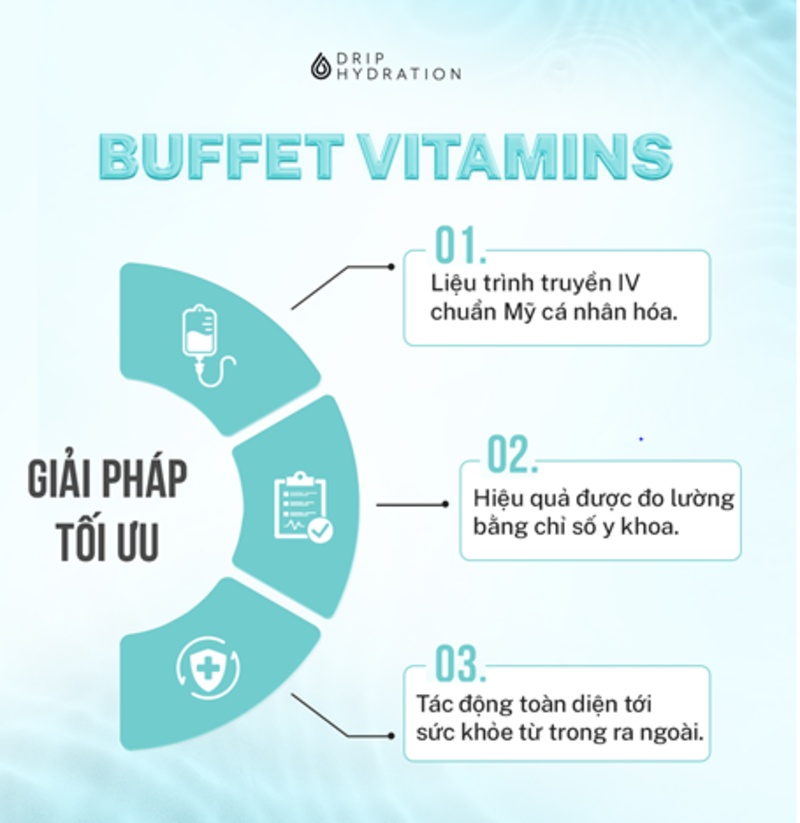
- Intravenous vitamin B supplementation for maximum bioavailability: Delivering nutrients via intravenous (IV) infusion is an advanced solution designed to optimize absorption, particularly for individuals facing nutrient depletion or poor gastrointestinal absorption. By delivering B vitamins directly into the circulatory system, they rapidly enter cellular metabolic pathways and support central nervous system activity, completely bypassing the digestive tract. This method is often recommended for individuals experiencing prolonged exhaustion, chronic fatigue, high metabolic stress, or malabsorption challenges. Clinical evidence suggests that providing adequate B vitamins systemically can significantly alleviate fatigue and support overall neurological function, especially in high-demand groups.

Medical expert advice on vitamin B supplementation
B vitamins play an essential role in energy metabolism and central nervous system function; however, improper supplementation can reduce efficacy or cause a micronutrient imbalance. Below are crucial clinical recommendations to ensure that vitamin B supplementation is both safe and effective:
- Evaluate personal needs prior to supplementation: Not everyone requires high-dose vitamin B supplementation. Consider your diet, stress levels, overall health status, and deficiency risks before beginning a regimen.
- Prioritize dietary intake whenever possible: Nutrient-dense foods provide B vitamins in a highly bioavailable, easily tolerated form. A diverse diet helps reduce the risk of imbalance among the vitamins within this complex.
- Utilize complex formulations when appropriate: B vitamins are closely interrelated in their metabolic pathways, so concurrent supplementation leverages their synergistic effects. Avoid prolonged single-vitamin supplementation without clear medical indications.
- Adhere to recommended dosages and duration: Do not arbitrarily take high doses or use them extensively for the purpose of “megadosing.” An excess of certain B vitamins can cause temporary neurological disturbances or mask other underlying deficiencies.
- Exercise caution with special populations: Older adults, pregnant women, and individuals with chronic health conditions or malabsorption issues require a medical consultation prior to supplementation. Severe deficiencies may require targeted clinical interventions, such as IV vitamin therapy, under medical supervision.
- Monitor the body’s physiological response: If adverse reactions such as nausea, numbness, rashes, or prolonged discomfort occur, discontinue use and consult a healthcare professional. Periodic reassessment helps adjust the dosage safely and appropriately.
- Combine with foundational wellness habits: Reducing alcohol intake, managing chronic stress, and prioritizing restorative sleep help mitigate the depletion of B vitamins. Supplementation is most effective when integrated into a balanced, health-conscious lifestyle.

Targeted vitamin B supplementation is a vital protocol that helps maintain sustained energy, support the nervous system, and promote overall daily wellness. This vitamin group directly participates in cellular metabolism, ATP production, and the regulation of cognitive function; thus, a deficiency can easily contribute to chronic fatigue, brain fog, and mood disturbances. Early recognition of deficiency signs and selecting the most appropriate supplementation method – ranging from dietary adjustments and oral supplements to advanced IV therapies – will help maximize absorption and bioavailability. Combining evidence-based vitamin B supplementation with a healthy lifestyle is the foundation for sustaining optimal vitality and long-term physiological balance.
References
https://pmc.ncbi.nlm.nih.gov/articles/PMC4772032/
https://ods.od.nih.gov/factsheets/VitaminB12-HealthProfessional/
https://pmc.ncbi.nlm.nih.gov/articles/PMC4772032/
Bài viết của: Biên tập viên Drip Hydration