Following an acute viral infection (such as the flu or COVID-19) or an extended period of physiological stress, the body often enters a state of profound fatigue, compromised immune function, and cellular energy depletion. A strategic approach to recovery after illness not only helps restore systemic vitality but also mitigates the risk of secondary complications. This guide outlines clinical and lifestyle protocols to support effective recovery after illness, helping your body sustainably rebuild strength and safely return to its optimal daily rhythm.
The body remains sluggish after a severe illness
Being cured of a disease does not mean the body has fully recovered. Many physical and metabolic changes persist post-illness, causing feelings of fatigue, energy deficiency, and prolonged physical decline.
Muscle mass loss and catabolism
When the body fights off an infection, its metabolic energy demands increase significantly. Concurrently, individuals often experience a profound loss of appetite and impaired nutrient absorption. To maintain vital physiological functions and meet the heightened demands of the immune system, the body is forced to mobilize its own energy reserves, which includes catabolizing muscle protein.
This loss of lean muscle mass not only leaves individuals feeling physically weak but also compromises mobility, basal metabolism, and ongoing immune function. This mechanism explains why many people feel completely drained even after the acute illness has resolved, often experiencing shortness of breath during mild exertion or premature fatigue.
Furthermore, skeletal muscle serves as a critical reservoir of amino acids required for cellular repair and immune cell synthesis. When muscle mass is depleted, the body’s overall recovery after illness is significantly protracted.

Gut microbiome disruption (Dysbiosis)
The gastrointestinal tract harbors trillions of beneficial bacteria involved in digestion, nutrient absorption, and systemic immune regulation. According to a 2014 clinical review published in Nature Reviews Immunology (Mowat & Agace), the gut is considered the “largest immune compartment in the body,” containing a massive network of lymphoid tissue and immune cells that operate continuously to protect the host. However, this delicate ecosystem often suffers significant collateral disruption during a health crisis.
During sickness, especially when subjected to systemic physiological stress or the prolonged use of antibiotics and certain clinical medications, the gut microbiome can become severely imbalanced. Beneficial flora are depleted, allowing opportunistic bacteria to proliferate. Consequently, nutrient absorption efficiency declines, making it difficult for the body to assimilate the essential proteins, vitamins, and minerals strictly required for an optimal recovery after illness. Individuals may subsequently experience lingering symptoms such as a reduced appetite, bloating, gastrointestinal distress, and systemic fatigue.
The lingering effects of post-viral inflammation
Even after a pathogen has been neutralized, the body requires adequate time for an optimal recovery after illness following a robust immune response. While fighting an infection, the immune system releases inflammatory cytokines to eradicate the threat, and these physiological reactions do not dissipate immediately upon the resolution of the acute illness.
This prolonged low-grade inflammation, combined with the energy-intensive process of clearing cellular debris and metabolic byproducts, explains why individuals often experience lingering fatigue, muscle aches, and low systemic energy for an extended period, particularly following severe acute infections.

A 3-stage nutritional guide for recovery after illness
A post-illness diet should transition from light to comprehensive, allowing the digestive system to adapt gradually and providing the body with necessary materials for recovery. A balanced diet prioritizes soft, warm, easily digestible meals first, followed by a gradual increase in protein, vegetables, fruits, and micronutrients.
Prioritize liquid, easily digestible meals
In the initial phase, an effective approach for recovery after illness is to choose porridge, soups, broths, milk, or soft stews to reduce the digestive burden and stimulate the appetite. Meals should be served warm, lightly seasoned, and divided into smaller portions to make eating easier, especially when experiencing nausea or poor appetite. This step helps the body gradually stabilize after exhaustion.
Reintroduce high-quality protein to support muscle synthesis
Once digestion improves, protein intake must be increased to rebuild muscle, tissues, and immune enzymes. Protein from fish, eggs, lean meats, legumes, dairy, and stews (such as chicken porridge, eel porridge, or minced meat soup) can facilitate better physical recovery. For individuals recovering from an illness, high-quality protein is the foundation to prevent prolonged exhaustion.
Optimize vitamins and essential minerals
Micronutrients play an indispensable role in facilitating cellular tissue repair and modulating ongoing immune function. It is highly recommended to incorporate soft fruits, cooked leafy greens, and foods rich in B-complex vitamins, vitamin C, zinc, iron, and magnesium to drive systemic energy metabolism. If dietary intake remains insufficient due to lingering appetite issues, tailored multivitamins or clinically formulated nutritional supplements can be considered to close the nutritional gaps.

Nutrient-dense foods to support recovery after illness
Meals suitable for individuals recovering from an illness should ideally be easily digestible, highly hydrating, protein-rich, and abundant in recovery-supporting micronutrients. These choices help alleviate digestive pressure and provide the energy necessary for the body to gradually return to its optimal state.
Nutritional stews, soups, and porridges
Warm broths and porridges can help soothe the respiratory tract and provide gentle hydration. Bone broth, in particular, offers collagen and amino acids like glutamine that support the intestinal mucosa. Recommended options include:
- Chicken porridge
- Minced meat porridge
- Fish porridge
- Oatmeal porridge
- Vegetable soup
- Chicken soup
- Bone and vegetable stew
Naturally fermented foods
Fermented foods can support the gut microbiome during the post-illness phase, especially when digestion is still disrupted. Suggestions include:
- Yogurt
- Kefir
- Kombucha
- Naturally fermented sauerkraut (low sodium)

Nutritional milk and multivitamins
If an individual’s dietary intake remains inadequate, nutritional milk and multivitamins can help replenish energy and supplement protein, calcium, and essential vitamins effectively. Considerations include:
- Nutritional milk for debilitated individuals
- Protein-rich formula milk
- Vitamin and mineral-fortified milk
- Multivitamin tablets
- Vitamin C effervescent tablets
- B-complex effervescent tablets
- Zinc tablets
High-calorie formulas and specialized multivitamin supplements
High-calorie formulas and specialized supplements provide a concentrated source of calories, protein, and micronutrients, allowing for easier absorption without overwhelming the digestive system. Additionally, multivitamin effervescent tablets facilitate the prompt supplementation of essential micronutrients like vitamin C, B-complex, and minerals, supporting immune function and overall energy levels. This category includes:
- High-calorie formulas
- Muscle-supporting protein milk
- Medical nutritional milk
- Drinkable nutritional supplements for physical exhaustion
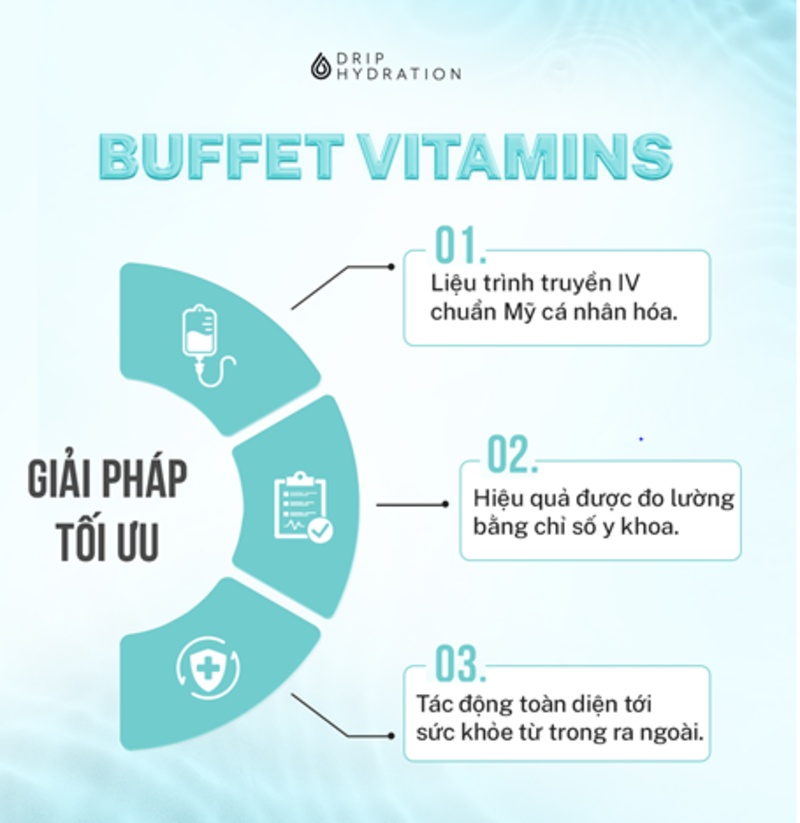
Optimizing recovery after illness with Drip Hydration’s Energy Boost IV
Drip Hydration’s Energy Boost IV is an intravenous therapy designed to alleviate fatigue by delivering essential vitamins and micronutrients directly into the bloodstream. This effectively helps the body mitigate exhaustion and systemic energy depletion. Unlike standard oral consumption, nutrients are infused directly into the circulatory system, allowing for maximum bioavailability, helping the body support energy metabolism at the cellular level.
The primary ingredients of this therapy include:
- B-complex vitamins
- Vitamin B6
- Vitamin C
These vital micronutrients participate in energy metabolism, support nervous system function, and fortify immune resilience. Consequently, the body can alleviate feelings of fatigue, heighten alertness, and support physical recovery after illness or severe exhaustion. Prior to administration, clients undergo a comprehensive health assessment by Drip Hydration’s specialized medical team to evaluate fatigue levels and specific nutritional needs, ensuring a tailored support protocol. Personalizing the treatment optimizes the efficacy of micronutrient supplementation while guaranteeing clinical safety throughout the service experience.

An optimal recovery after illness requires more than simply increasing food intake; it demands a comprehensive care strategy aimed at supporting muscle synthesis, balancing the gut microbiome, replenishing micronutrients, and restoring systemic energy. Establishing a nutrient-dense diet, getting ample rest, and implementing appropriate clinical or nutritional support will help optimize the convalescence period, support immune resilience, and sustainably return you to a healthy physical state.
To learn more about our metabolism-supporting Energy Boost IV or our protocols for endocrine balance and cognitive recovery, call our Customer Care hotline or book an appointment today!
References
Mowat AM, Agace WW. Regional Specialization Within the Intestinal Immune System. Nature Reviews Immunology. 2014. https://www.nature.com/articles/nri3738
Bài viết của: Biên tập viên Drip Hydration