Light, unrefreshing sleep marked by frequent nighttime awakenings leaves you feeling physically sore, mentally foggy, and exhausted the next morning. Rather than relying solely on sleeping pills or sedative supplements, this article breaks down the biological mechanics of fragmented sleep through the lens of modern medicine. You will discover science-backed solutions to repair poor sleep from the cellular level up, helping you reset your circadian rhythm and restore whole-body energy.
Why you experience light sleep and frequent nighttime awakenings
Human sleep is not a uniform state; it is an orchestrated cycle consisting of distinct, successive stages: light sleep, deep slow-wave sleep, and rapid eye movement (REM) sleep. Among these, deep sleep represents the vital window during which your body repairs damaged tissue, clears metabolic waste from the brain, and regenerates cellular energy.
Light, fractured sleep and recurring nighttime awakenings happen when this architecture is repeatedly interrupted by specific biochemical imbalances:
Cortisol and melatonin dysregulation
Your natural circadian rhythm is driven by two counterbalancing hormones: melatonin and cortisol.
Under the weight of chronic stress, workplace burnout, or late-night exposure to blue light from digital screens, the adrenal glands are stimulated to release cortisol late into the evening. Elevated nighttime cortisol directly suppresses pineal melatonin synthesis, locking the central nervous system into a persistent “fight-or-flight” state that makes you easily startled awake by minor environmental disturbances.

Neurotransmitter deficits and mitochondrial energy exhaustion
To shift smoothly from active wakefulness into restorative deep sleep, the brain depends on inhibitory neurotransmitters like GABA and modulators like serotonin to quiet cortical electrical activity. When systemic oxidative stress runs high, mitochondrial function becomes compromised, depleting the cellular energy required to synthesize and regulate these calming neurochemicals. Consequently, the cerebral cortex remains in a state of hyperarousal, which serves as the core biological driver of fitful, fragmented sleep.
According to the comprehensive review “The Effect of Psychosocial Stress on Sleep: A Review of Polysomnographic Evidence” (2007) published via the National Library of Medicine (NCBI), chronic stress directly destabilizes sleep architecture. This physiological state significantly shortens non-rapid eye movement (NREM) deep sleep and sharply increases spontaneous awakenings throughout the night.
How to fix light sleep with a 3-stage clinical protocol
Restoring consistent, restorative deep sleep requires a targeted strategy that addresses both your external sleep environment and your internal biochemistry across a 3-stage protocol:
Stage 1: Evening wind-down optimization to lower nighttime cortisol
These foundational lifestyle adjustments signal to your brain that it is safe to downshift into recovery mode:
- Block blue light: Discontinue phone, tablet, and computer use at least 60 minutes before bedtime. Blue wavelengths mislead the suprachiasmatic nucleus into sensing daylight, directly blunting the natural release of melatonin.
- Optimize ambient light and temperature: Keep your bedroom dark and cool, ideally between 60°F and 67°F (15°C to 19°C). Core body temperature must dip slightly to initiate slow-wave deep sleep cycles.
- Maintain a consistent schedule: Go to bed and wake up at the same time every day, including weekends, to resynchronize an erratic circadian master clock.
Stage 2: Targeted micronutrient replenishment to nourish neural pathways
The central nervous system requires specific micronutrients as physiological substrates to ease tension and extend deep sleep intervals:
- Magnesium: An essential mineral that activates central GABA receptors, downregulates sympathetic nervous system tone, relaxes peripheral muscle fibers, and prevents midnight awakenings accompanied by muscle twitches.
- L-Theanine and tryptophan: Natural amino acids (found in green tea and whole seeds) that stimulate alpha brainwave activity – the neural frequency linked to deep relaxation – while serving as direct metabolic precursors for serotonin and melatonin synthesis.
- B-complex vitamins (notably B6 and B12): Directly involved in neurotransmitter enzymatic conversions, helping stabilize your natural sleep-wake cycle.
Strategically replenishing these key micronutrients can significantly enhance sleep efficiency metrics, prolong time spent in deep sleep, and reduce systemic cortisol levels in individuals dealing with chronic sleep disruptions.
Stage 3: Physical movement and psychological decompression
- Time your exercise appropriately: Moderate daytime physical activity (such as brisk walking or yoga) builds homeostatic sleep drive, helping you drift off more readily. However, avoid high-intensity workouts within 3 hours of bedtime, as intense exertion elevates both core body temperature and circulating cortisol.
- Decompress with structured breathwork: Practicing the 4-7-8 breathing technique (inhale for 4 seconds, hold for 7 seconds, exhale for 8 seconds) before bed stimulates the parasympathetic nervous system, lowers heart rate, and pulls the mind out of anxious rumination.
Beginners should start with 4 consecutive breath cycles (taking less than 2 minutes in total), gradually progressing to 8 cycles after 2 to 3 weeks of consistency. The physiological benefits of this practice are documented in the study “Effects of sleep deprivation and 4-7-8 breathing control on heart rate variability, blood pressure, blood glucose, and endothelial function in healthy young adults” (2022) indexed in PubMed Central (NCBI).
The dangerous bidirectional link between light sleep and systemic fatigue
When you spend your nights in light sleep or wake up repeatedly, your brain misses out on the activity of the glymphatic system – a specialized waste-clearance network that removes neurotoxic metabolic waste and cellular debris accumulated throughout waking hours.
As an immediate downstream consequence, intracellular mitochondria experience heavy oxidative strain from free radicals, diminishing their capacity to synthesize ATP. You wake up the following morning in a state of profound physical and cognitive depletion. This persistent exhaustion and lethargy undercut daily productivity, frequently driving people toward superficial stimulants to make it through the workday.
Restoring deep sleep cycles is therefore an essential prerequisite for repairing tissue at the cellular level, rebuilding physical resilience, and generating sustained endogenous energy throughout your day.
IV therapy: Cellular-level deep sleep restoration for high-demand lifestyles
For busy professionals facing relentless schedules, or for those battling long-term sleep fragmentation, chronic stress often impairs the gut lining alongside circadian rhythms. This gastrointestinal inflammation significantly lowers the oral absorption of critical neuro-supportive micronutrients like magnesium and B vitamins. Swallowing handfuls of oral dietary supplements can place extra stress on the stomach without producing noticeable clinical improvements.
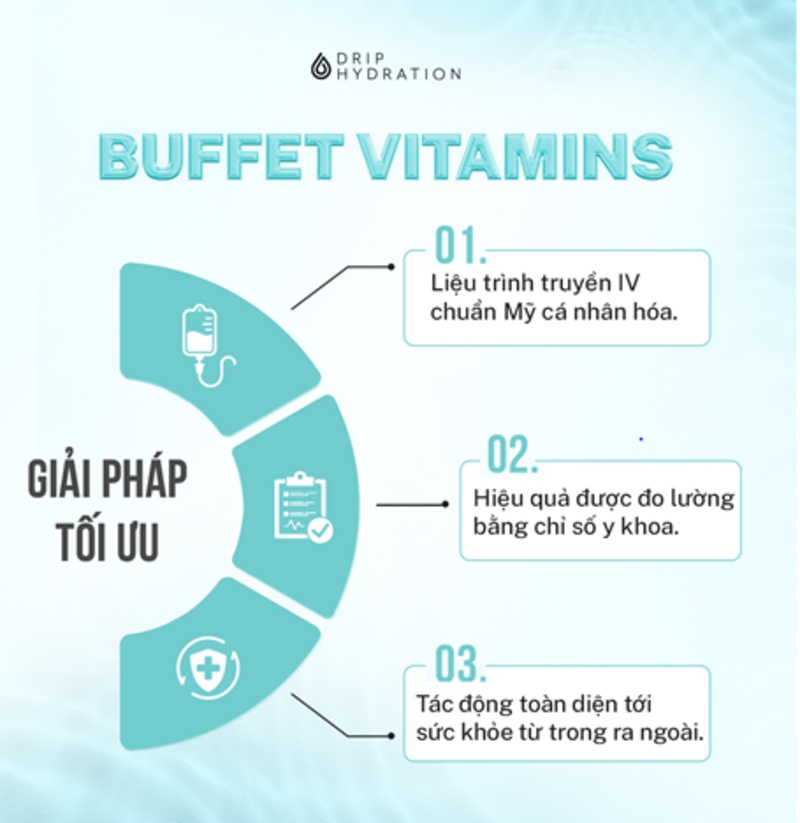
To bypass this absorption barrier, modern clinical medicine uses intravenous (IV) micronutrient therapy as a targeted solution to support sleep recovery directly at the cellular level, delivering rapid and sustained results:
- Complete micronutrient bioavailability: A customized infusion blend containing active magnesium, high-potency B vitamins, essential amino acids, and cellular antioxidants is administered directly into systemic circulation, completely bypassing digestive breakdown to deliver intact nutrients straight to peripheral tissues.
- Immediate sympathetic down-regulation: Achieving optimal circulating levels of these therapeutic molecules calms cortical overactivity, reduces excess cortisol, and promotes natural GABA signaling.
- Regenerating restorative sleep architecture: These targeted nutrients reach metabolic tissues, supporting cellular repair and helping your body enter a state of deep, natural relaxation – without the morning grogginess, brain fog, or rebound insomnia often associated with pharmaceutical sleep aids.
In addition to foundational nutrient blends that support metabolic pathways and cellular recovery (such as the Energy Boost infusion), protocols can be further customized with neuro-supportive agents like Cerebrolysin and glycine (featured in the Brain Power infusion) to enhance cognitive pathways, brain metabolism, and antioxidant defenses. Physicians at Drip Hydration continue to evaluate and implement these therapies to assist patients navigating chronic insomnia, fragmented sleep, chronic fatigue, and high-stress burnout.
Light, broken sleep with frequent nighttime awakenings is not simply a bad habit; it is the physiological byproduct of hormonal imbalances and cellular micronutrient depletion. An effective approach to fixing light sleep combines practical evening habits with evidence-based neurological nutrition. When applied consistently, you can restore restorative nights and rebuild your energy from the inside out.
Reset deep sleep from the cellular level, sustain daytime focus, and elevate your performance with clinical wellness protocols from Drip Hydration. As a premier U.S.-founded proactive wellness and IV micronutrient clinic, Drip Hydration serves clients across more than 150 locations in over 100 major cities globally, including Vietnam. Call hotline 090.1885.088 to book your clinical consultation today.
References
- The Effect of Psychosocial Stress on Sleep: A Review of Polysomnographic Evidence: https://www.tandfonline.com/doi/abs/10.1080/15402000701557383
- Effects of sleep deprivation and 4‐7‐8 breathing control on heart rate variability, blood pressure, blood glucose, and endothelial function in healthy young adults: https://pmc.ncbi.nlm.nih.gov/articles/PMC9277512/
Bài viết của: Biên tập viên Drip Hydration