B-complex vitamins consist of eight water-soluble vitamins that play a crucial role in the body’s metabolic processes; hence, they are widely recognized as vital cellular energy vitamins. They act as essential coenzymes, assisting metabolic enzymes in converting carbohydrates, proteins, and fats into usable cellular energy in the form of adenosine triphosphate (ATP). While each B vitamin has a distinct physiological function, they work synergistically to support sustained energy levels and overall cellular health, solidifying their role as foundational cellular energy vitamins.
How do B-complex vitamins boost cellular energy?
Vitamin B1 (Thiamine)
- Function: In its active form, thiamine pyrophosphate (TPP), it acts as a coenzyme for pyruvate dehydrogenase. This facilitates the conversion of pyruvate to acetyl-CoA, a critical initial step in the Krebs cycle for ATP production.
- Deficiency: Generalized fatigue, cognitive and neurological disturbances.
Vitamin B2 (Riboflavin)
- Function: A precursor to the coenzymes FAD and FMN, it supports the electron transport chain within the mitochondria and plays a key role in the metabolism of carbohydrates, fats, and proteins.
- Deficiency: Reduced cellular energy production, chronic fatigue.
Vitamin B3 (Niacin)
- Function: As a precursor to NAD and NADP, it participates in vital cellular redox reactions, driving ATP synthesis and supporting optimal cognitive function.
- Deficiency: Muscle weakness, profound fatigue, and cognitive disturbances.
Vitamin B5 (Pantothenic Acid)
- Function: A structural component of Coenzyme A (CoA), it is indispensable for the metabolic breakdown of carbohydrates, fats, and proteins.
- Deficiency: Rare, but can lead to unexplained fatigue and metabolic inefficiency.
Vitamin B6 (Pyridoxine)
- Function: Acts as a coenzyme in amino acid metabolism and hemoglobin synthesis. By aiding oxygen transport, it directly supports both cellular energy pathways and neurotransmitter function.
- Deficiency: Fatigue, mood disturbances, and neurological symptoms.
Vitamin B7 (Biotin)
- Function: Acts as a crucial coenzyme for carboxylase enzymes, which are essential for the metabolic processing of macronutrients.
- Deficiency: Decreased cellular energy and metabolic sluggishness.
Vitamin B9 (Folate/Folic Acid)
- Function: Facilitates DNA synthesis and cell division, maintaining healthy cellular turnover and red blood cell formation, which indirectly sustains systemic energy levels.
- Deficiency: Fatigue, megaloblastic anemia.
Vitamin B12 (Cobalamin)
- Function: Supports the conversion of homocysteine to methionine, a process vital for healthy red blood cell production, myelin sheath maintenance, and central nervous system function.
- Deficiency: Fatigue, anemia, and neurological symptoms.
Intravenous B vitamin supplementation for optimal energy: Benefits and applications
B vitamins are quintessential to cellular metabolism. Supplementing these cellular energy vitamins via intravenous (IV) infusion offers distinct advantages compared to traditional oral supplementation:
1. Direct systemic absorption
IV therapy bypasses the digestive tract, delivering vitamins directly into the bloodstream. This maximizes bioavailability and promotes faster utilization, which is particularly beneficial for individuals with gastrointestinal absorption challenges.
2. Optimized vitamin concentrations
IV therapy allows for the safe delivery of higher, targeted nutrient doses compared to oral intake, enhancing overall nutritional support and recovery. Consequently, administering these cellular energy vitamins intravenously offers a highly efficient pathway to replenish depleted stores.
3. Prompt systemic response
Many individuals report noticeable improvements in vitality and mental clarity shortly after an IV infusion, as the nutrients bypass the slow digestive process to provide prompt support.
4. Ideal for urgent recovery and specialized needs
IV cellular energy vitamins are highly suitable for those requiring rapid, intensive replenishment. This includes patients recovering from acute illnesses or severe exhaustion, older adults, and individuals with compromised absorption.
B-complex vitamins play an indispensable role in maintaining systemic vitality. Supplementing these cellular energy vitamins via intravenous infusion delivers maximum absorption, making it especially useful for those seeking efficient energy recovery or facing malabsorption issues.
However, before beginning any new supplementation regimen, it is advisable to consult a healthcare professional to determine the most suitable option based on your individual health status. These cellular energy vitamins are key components featured in the Energy Boost IV protocol (designed to support metabolism and alleviate fatigue) at the Drip Hydration clinic.
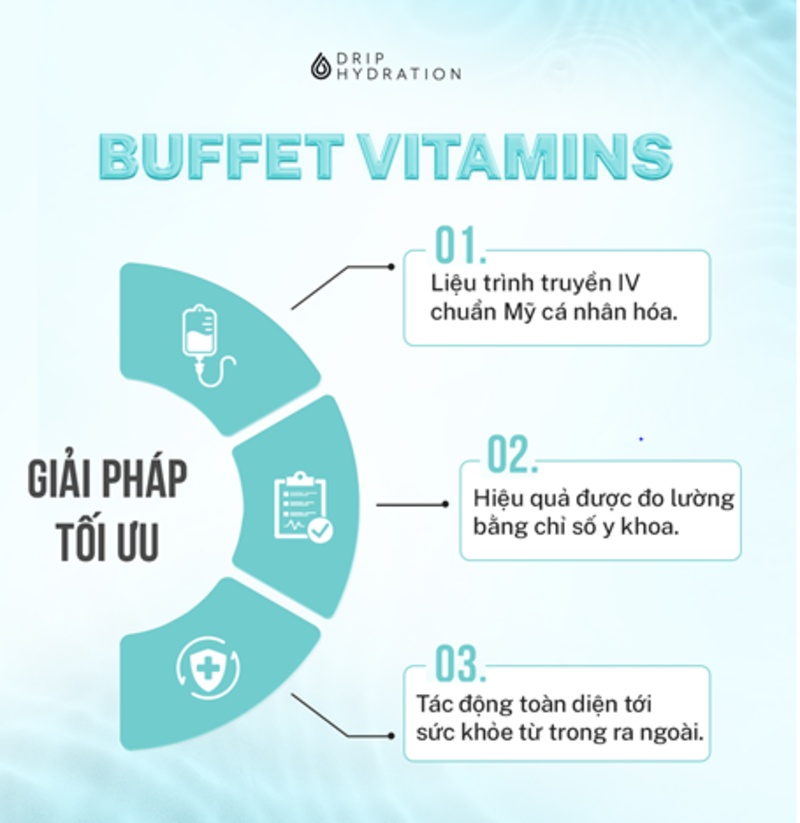
In addition to the standard Energy Boost therapy, clients can opt for the Buffet Vitamins service, which offers customizable complementary nutrients to further optimize energy levels, reduce mental fatigue, and support overall wellness at a reasonable cost, as recommended by our medical specialists.
Contact the Drip Hydration Customer Care hotline today or leave your information for a complimentary consultation via the form [here]
References
- M Hanna. B Vitamins: Functions and Uses in Medicine. PMC. 2022
- AC Gonçalves. The B-complex vitamins related to energy metabolism and sports performance. ScienceDirect. 2021
- A Alangari. To IV or Not to IV: The Science Behind Intravenous Vitamin Therapy. PMC. 2025
Bài viết của: Biên tập viên Drip Hydration