What causes a stroke? Most strokes result from hypertension, heart disease, diabetes, high cholesterol, and progressive blood vessel damage over time. Understanding how blood clots form or cerebral vessels rupture helps you take proactive control of your brain health and stroke prevention.
Why do people with healthy lifestyles still suffer strokes?
A concerning reality is that many individuals who maintain a balanced diet, exercise regularly, and lead healthy lifestyles can still experience a sudden stroke. According to statistics from the World Health Organization (WHO), approximately 15 million people worldwide suffer a stroke each year. Remarkably, about 10 – 15% of these cases occur in individuals under the age of 50.
The main reason is that strokes do not stem solely from lifestyle choices, but are also linked to genetic factors, silent underlying medical conditions, coagulation disorders, or endocrine imbalances. Some individuals with normal cholesterol levels and blood pressure carry genetic mutations that increase their risk of thrombus formation. Additionally, chronic stress is a frequently overlooked factor.
A study titled “Association Between Self-Perceived Stress and Cryptogenic Ischemic Stroke in Young Adults: A Case-Control Study,” published in Neurology in 2025, compared 426 young adults (aged 18 – 49) who suffered a stroke with 426 non-stroke controls. The findings revealed that 46% of stroke patients reported moderate to high stress levels compared to 33% in the control group. After adjustment, moderate stress in women was associated with an approximately 78% increase in stroke risk, whereas no significant association was observed in men.

What causes a stroke?
Fundamentally, a stroke occurs when blood flow to the brain is disrupted. There are two primary types: ischemic stroke (which occurs when a blood vessel is obstructed) and hemorrhagic stroke (which occurs when a blood vessel ruptures).
Hypertension
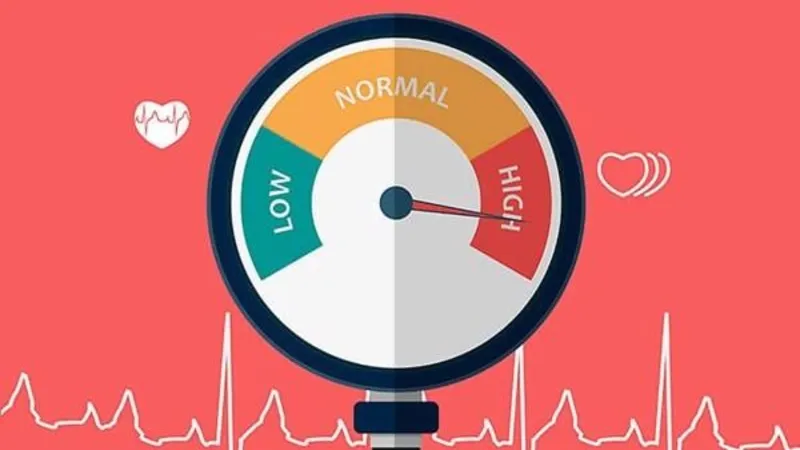
Among risk factors, hypertension ranks first and is considered the leading cause of stroke. According to the WHO, hypertension is implicated in more than 50% of stroke cases globally.
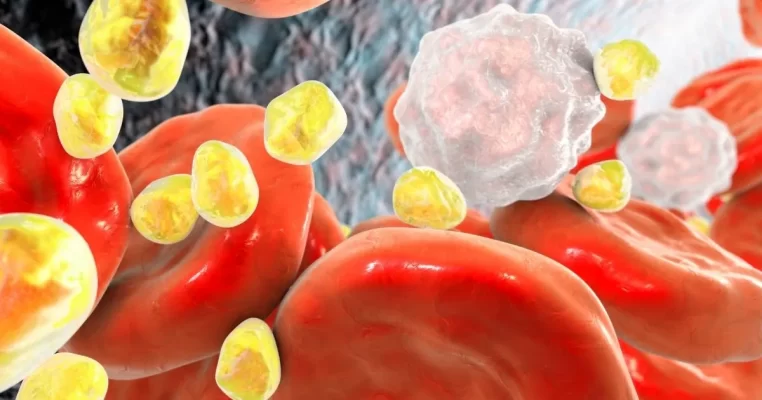
High blood pressure damages the vascular endothelial layer, creating ideal conditions for atherosclerotic plaque formation. When these plaques rupture, trigger blood clots, or cause complete occlusion, cerebral infarction occurs.
Physicians advise that maintaining blood pressure below 130/80 mmHg represents the optimal safety threshold for individuals with cardiovascular risk, rather than keeping it under 140/90 mmHg as previously recommended in older guidelines.
Heart disease and atrial fibrillation
Atrial fibrillation causes blood to pool in the atria, promoting thrombus formation. When a clot travels to the brain, it can cause immediate cerebral artery occlusion. According to the American Stroke Association, individuals with atrial fibrillation face a stroke risk 5 times higher than the general population.
The main danger lies in the fact that atrial fibrillation often produces no obvious symptoms. Therefore, individuals over the age of 40 should consider routine electrocardiogram (ECG) screenings, particularly if they have a history of palpitations or an irregular heartbeat.
Hormonal imbalance
Endocrine disorders, particularly involving cortisol and insulin, can exacerbate vascular inflammation and accelerate atherosclerosis. Postmenopausal women experiencing a sudden decline in estrogen also face elevated cardiovascular and stroke risks due to the loss of estrogen’s protective effects on blood vessels.
A study titled “Risk of Stroke in Healthy Postmenopausal Women During and After Hormone Therapy: A Meta-Analysis,” published in 2014 in the journal Menopause, analyzed data from 4 randomized clinical trials involving over 30,000 postmenopausal women. Results indicated that current users of hormone replacement therapy experienced an approximately 32% increase in stroke risk compared to the placebo group (HR ≈ 1.32), whereas this risk did not remain significantly elevated after discontinuing treatment.
Experts emphasize that periodic hormonal and metabolic evaluation in individuals with metabolic disorders is essential, particularly for those with a family history of premature cardiovascular disease.
Other causes
Beyond hypertension and heart disease, numerous other risk factors contribute to stroke development:
- Diabetes mellitus: Damages microvasculature and accelerates atherosclerosis, approximately doubling stroke risk.
- Cigarette smoking: Nicotine induces vasoconstriction, hypercoagulability, and vascular wall damage, increasing stroke risk by 2 to 4 times.
- Obesity, particularly abdominal obesity: Strongly associated with metabolic syndrome – the root of hypertension, dyslipidemia, and insulin resistance.
- Prolonged sleep deprivation: Disrupts hormonal regulation, elevates blood pressure, and predisposes individuals to cardiac arrhythmias.

Early warning signs of stroke risk
A stroke rarely occurs completely “without warning.” In many cases, the body emits warning signals minutes, hours, or even days prior. Early recognition of these signs increases the chance of timely emergency medical intervention and significantly reduces the risk of long-term disability.
- Sudden facial drooping or asymmetry: One side of the face sags or smiles appear uneven – a classic sign resulting from damage to brain regions controlling facial motor function.
- Unilateral arm or leg weakness or numbness: Sudden loss of strength, difficulty raising an arm, or an unsteady gait typically presenting on one side of the body.
- Dysarthria, slurred speech, or language comprehension difficulty: Patients may stutter, articulate unclearly, or fail to comprehend simple questions – indicating damage to language centers.
- Sudden, severe headache of unknown etiology: Often described as the “worst headache of one’s life,” this may be associated with intracerebral or subarachnoid hemorrhage.
- Dizziness, loss of balance, or vision impairment: Sudden loss of balance, blurred vision, or transient vision loss manifests when brain regions controlling vision or coordination suffer ischemia.
- Transient Ischemic Attack (TIA): Symptoms resemble a stroke but resolve spontaneously, often within 24 hours. TIA serves as a critical red flag, as the risk of an actual stroke occurring shortly thereafter is substantial.
The “golden hour” window for acute stroke therapy typically spans only the first 3 to 4.5 hours. Rapid recognition and emergency action directly determine a patient’s long-term recovery trajectory.

What can be done to prevent a stroke?
After gaining a clear understanding of the risk factors, the key is proactively managing them before an event occurs. Below are core preventive principles recommended by leading cardiovascular organizations:
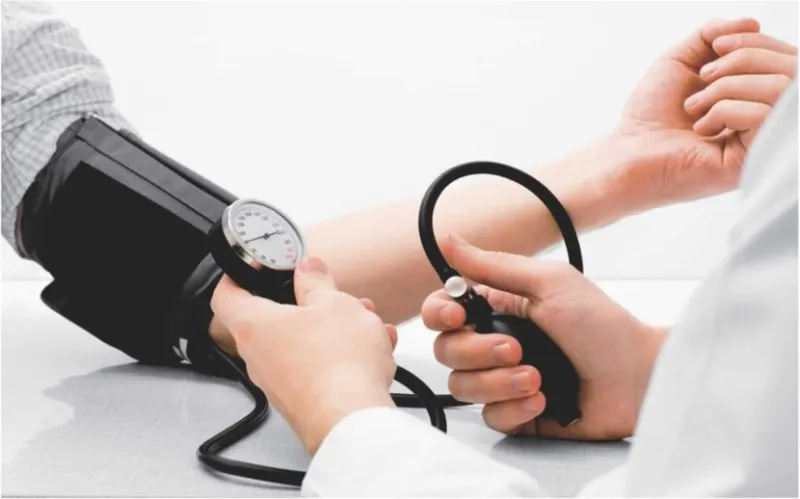
- Maintain stable blood pressure control: Keep blood pressure below 130/80 mmHg if cardiovascular risks are present. Measure blood pressure routinely even in the absence of symptoms.
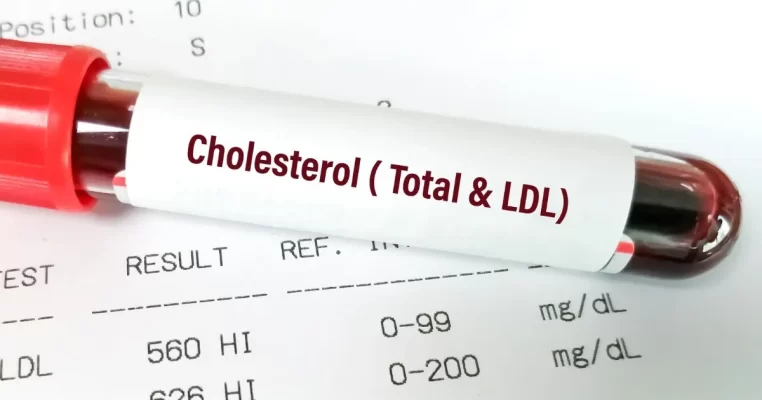
- Manage blood glucose and lipid levels: Monitor HbA1c and cholesterol, particularly LDL-C, to limit atherosclerosis – the primary cause of cerebral infarction.
- Maintain an optimal body weight: Reducing abdominal fat helps decrease the risk of metabolic syndrome and stroke.
- Adopt evidence-based nutrition: Prioritize leafy greens, fish, and olive oil while strictly restricting sodium intake and processed foods.
- Engage in regular physical activity: Aim for at least 150 minutes per week of moderate-intensity exercise (such as brisk walking, cycling, or swimming) to improve circulation and stabilize blood pressure.
- Quit smoking and limit alcohol consumption: Smoking increases stroke risk multi-fold; complete cessation is essential as early as possible.
- Screen for cardiac conditions during routine checkups: Pay special attention to detecting atrial fibrillation and occult cardiac arrhythmias.
What causes a stroke is not a question with a single answer. It is the cumulative result of multiple interacting factors: blood pressure, cardiovascular health, endocrine function, metabolism, and lifestyle. Understanding these mechanisms and recognizing early warning signs empowers you to proactively manage risk. In preventive medicine, early action is always far more valuable than late intervention.
For proactive stroke risk assessment and personalized medical consultation, contact our medical team today at Hotline: 0901 885 088.
References:
- World Health Organization (WHO) – Stroke Fact Sheet
- Centers for Disease Control and Prevention (CDC) – Stroke Statistics
- American Heart Association (AHA) – Guidelines for stroke prevention
- American Stroke Association – Atrial Fibrillation and Stroke Risk
- The Lancet – Mediterranean Diet and Cardiovascular Prevention
- Association Between Self-Perceived Stress and Cryptogenic Ischemic Stroke in Young Adults: A Case-Control Stud
Bài viết của: Biên tập viên Drip Hydration