The benefits of vitamin B9 extend beyond hematopoiesis to directly influence brain function and sleep. This article clearly explains what vitamin B9 does and the correct supplementation methods to improve mental health.
The connection between vitamin B9 and mental health
Vitamin B9 (folate) is one of the important micronutrients involved in DNA synthesis and the production of neurotransmitters. This makes it play an essential role in maintaining a stable psychological state.
The study “Is low folate a risk factor for depression? A meta-analysis and exploration of heterogeneity” by Gilbody et al. (2007) published in the Journal of Epidemiology & Community Health, analyzed 11 studies with 15,315 participants. The results showed that individuals with folate deficiency have a 55% higher risk of depression compared to healthy counterparts.
According to the study “Prevalence of Folate Deficiency in Patients with Depressive Symptoms: Biochemical and Clinical Implications” published in the International Journal of Science and Research Archive (2025), the prevalence of folate or vitamin B9 deficiency in patients with depression ranges from 10 to 30%, often accompanied by deficiencies in vitamin B12 and iron. The study recommends routine biochemical screening for depressed patients to detect nutritional deficiencies.
Notably, vitamin B9 helps the body synthesize serotonin and dopamine, two crucial neurotransmitters that help improve mood. When deficient, the brain easily falls into a state of fatigue, anxiety, and decreased motivation.
The role of vitamin B9 in mental and brain health
When exploring the benefits of vitamin B9, its role in brain activity cannot be overlooked.
Vitamin B9 participates in DNA methylation, a crucial mechanism that helps regulate gene activity and brain function. Consequently, vitamin B9 directly influences memory, concentration, and reflexes.
The study “Folate, vitamin B-6, and vitamin B-12 intake and mild cognitive impairment and probable dementia in the Women’s Health Initiative Memory Study” published in the Journal of the Academy of Nutrition and Dietetics in 2014, was conducted on 7,030 postmenopausal women over 5 years. The results indicated that those with a folate intake below the recommended level had a 2-fold higher risk of cognitive impairment and probable dementia.
Additionally, vitamin B9 also helps:
- Enhance concentration and data processing speed
- Contribute to the restructuring and maintenance of the nervous system
- Contribute to limiting age-related cognitive decline
The benefits of vitamin B9 for sleep and mental health
Sleep is closely linked to the hormones melatonin and serotonin, two substances that vitamin B9 helps regulate.
According to the study “Assessment of a multi-ingredient dietary supplement on sleep quality: a randomized, double-blinded, placebo-controlled crossover clinical study” published in BMC Sleep Science and Practice in 2020, conducted on 60 individuals with insomnia, multi-ingredient supplementation (including B-complex vitamins) improved sleep quality compared to a placebo.
This demonstrates that the benefits of vitamin B9 are not limited to the brain but also support improving sleep quality.
Vitamin B9 helps:
- Stabilize circadian rhythms
- Reduce neurological stress
- Promote the body’s endogenous melatonin synthesis
However, improper dosage supplementation can cause adverse effects. Some sensitive individuals may feel more alert when taking high doses of vitamin B9 in the evening.

Foods rich in vitamin B9
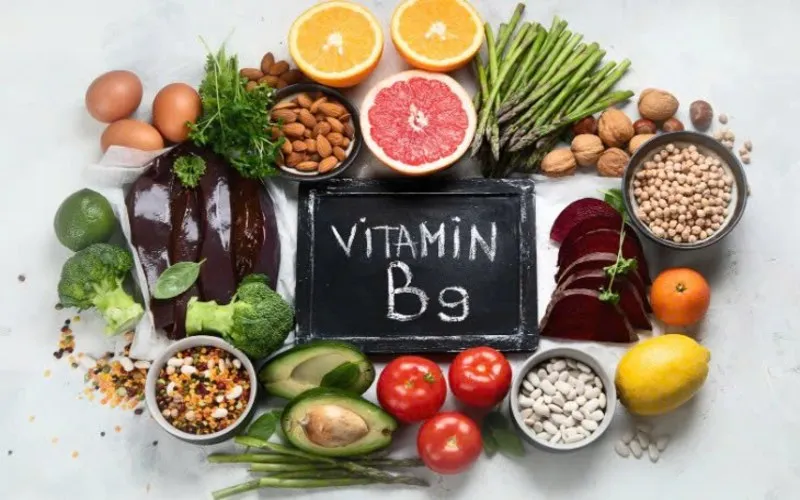
Understanding the benefits of vitamin B9 for health, supplementing it from natural foods is a necessary, safe, and effective choice.
Vitamin B9 is highly concentrated in the following foods:
- Dark leafy greens such as spinach and kale
- Lentils, mung beans
- Citrus fruits
- Animal liver
- Avocados and nuts/seeds
According to the report “Folate – Health Professional Fact Sheet” by the U.S. National Institutes of Health (NIH) published on the ODS website in 2023, individuals maintaining a diet rich in natural folate have a lower risk of vitamin B9 deficiency compared to those with an unbalanced diet.
An important note is that vitamin B9 is easily lost when cooked at high temperatures. Therefore, it is preferable to steam or eat raw (with suitable foods) to retain nutrients.
Frequently asked questions about the benefits of vitamin B9
Do the benefits of vitamin B9 help improve memory quickly?
The benefits of vitamin B9 can support memory improvement, but they do not deliver immediate effects. According to the study “Folic acid supplementation improves cognitive function by reducing the levels of peripheral inflammatory cytokines in elderly Chinese subjects with MCI” published in Scientific Reports in 2016, conducted on 152 older adults with mild cognitive impairment. After 12 months, the vitamin B9 supplementation group recorded improved cognitive scores and reduced inflammatory markers compared to the control group.
Does taking vitamin B9 cause insomnia?
No, in the majority of cases. However, if taking high doses of vitamin B9 in the evening, some individuals may feel more alert. Therefore, experts recommend taking it in the morning to support better absorption.
Do young people need to supplement vitamin B9?
Yes. Young adults often face academic and professional pressure, causing the brain to work heavily. Supplementing vitamin B9 helps increase concentration and reduce mental stress.
How long does it take for vitamin B9 supplementation to be effective?
Typically, it takes 4 to 12 weeks for the body to absorb and restore folate levels. Thereby, it improves symptoms such as fatigue and reduced concentration.
Should vitamin B9 be supplemented long-term?
It can be supplemented long-term if adhering to the recommended dosage. However, one should consult an expert if using high doses or combining it with other dietary supplements.

The benefits of vitamin B9 are not limited to hematopoiesis but also play an important role in protecting the brain, improving sleep, and stabilizing mood. Proper supplementation will significantly enhance the quality of life.
If you are exploring what vitamin B9 does, the answer is: it is an essential nutrient for both physical and mental well-being, especially in today’s high-pressure society.
Although good for the brain and sleep, vitamin B9 may only be a partial support in improving symptoms, especially in middle-aged individuals with prolonged insomnia, as the causes often stem from energy decline, endocrine imbalance (in women), stress, etc. To help improve mental acuity and sleep well, you may need more intensive interventional therapies from Drip Hydration.
Brain Power Plus combines ALA and a complex of 16 essential micronutrients to nourish cells from within, helping to increase energy, rejuvenate cells, and reactivate the body’s natural recovery mechanisms. Contact the hotline 0901885088 today for service consultation.
References
- Is low folate a risk factor for depression? A meta-analysis and exploration of heterogeneity
- Prevalence of Folate Deficiency in Patients with Depressive Symptoms: Biochemical and Clinical Implications
- Folate, vitamin B-6, and vitamin B-12 intake and mild cognitive impairment and probable dementia in the Women’s Health Initiative Memory Study
- Assessment of a muiti-ingredient dietary supplement on sleep quality: a randomized, double-blinded, placebo-controlled crossover clinical study
- Folic acid supplementation improves cognitive function by reducing the levels of peripheral inflammatory cytokines in elderly Chinese subjects with MCI
Bài viết của: Biên tập viên Drip Hydration