Among the micronutrients supporting neurological health, zinc emerges as an essential mineral playing a role in reducing stress and improving mood, even though it is often overlooked in mental health discussions.
So, does zinc reduce stress in the body? The answer is: YES, and the article below will comprehensively analyze the connection between zinc and stress, the daily zinc requirement to maintain an optimal psychological state, as well as how to supplement zinc safely and effectively.
The role of zinc in the brain and the stress axis
Zinc is a crucial micronutrient participating in over 300 enzymatic reactions in the body, particularly related to the immune system, reproduction, and brain function. In the brain, zinc is highly concentrated in the hippocampus, the area controlling memory and emotion.
Numerous studies have confirmed that zinc plays a role in regulating the HPA (hypothalamic-pituitary-adrenal) axis, the physiological network that controls the body’s stress response. When serum zinc levels drop, the HPA axis becomes more sensitive to stressors, increasing the concentration of cortisol, the primary stress hormone, thereby causing anxiety, fatigue, and sleep disorders.
Individuals with lower serum zinc levels often exhibit heightened cortisol levels, particularly those diagnosed with depression or generalized anxiety disorders.
Can zinc deficiency increase stress levels?
The answer is yes. Zinc deficiency is often clinically subtle and underrecognized, but it can impair neurological function, leading to manifestations such as:
- Irritability and unexplained anxiety
- Sleep architecture disruptions
- Decreased concentration
- Chronic mental fatigue
A comprehensive review in the Journal of Nutritional Biochemistry in 2015 by Mlyniec et al., stated that zinc deficiency diminishes the functional activity of GABA, the central nervous system’s principal inhibitory neurotransmitter. This reduction leaves the nervous system overly reactive to stimuli, thereby amplifying subjective feelings of stress.
Daily zinc requirement to reduce stress and optimize health
According to guidelines from the U.S. National Institutes of Health (NIH) Office of Dietary Supplements, the recommended dietary allowance (RDA) for zinc is:
- Adult men: 11 mg per day
- Adult women: 8 mg per day
- Pregnant women: 11 mg per day
- Lactating women: 12 mg per day
However, during periods of prolonged chronic stress, high-intensity intellectual labor, or physical debilitation, metabolic demand may increase due to accelerated urinary and dermal zinc excretion.
A clinical trial by Sawada and Yokoi published in the European Journal of Clinical Nutrition (2010) indicated that targeted supplementation of 7 mg of zinc daily for 10 weeks markedly improved mood scores (such as anger-hostility and depression) in young women.
How to supplement zinc safely and effectively?
Supplementing zinc through natural foods
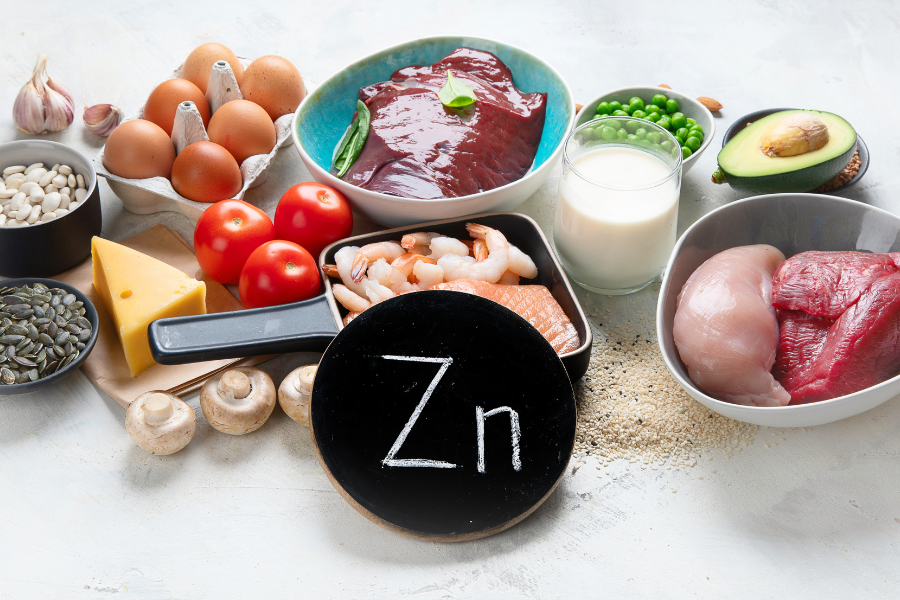
This is the ideal way to absorb zinc in a naturally bioavailable and sustainable manner. Zinc-rich foods include:
- Seafood: Oysters (exceptionally rich in zinc), crabs, and shrimp
- Red meat: Beef, lamb, and animal liver
- Seeds: Pumpkin seeds and sunflower seeds
- Whole grains and fermented soybeans
Supplementing zinc through dietary supplements
When the diet is insufficient or the body is at risk of deficiency, supplementing zinc from oral tablets may be necessary. Common bioavailable forms include zinc gluconate, zinc picolinate, and zinc citrate, which are well-absorbed and associated with lower rates of gastrointestinal irritation.
Note: You should not exceed 40 mg of zinc per day (the tolerable upper intake level established by the NIH), as excessive intake can competitively inhibit copper absorption and provoke gastrointestinal disturbances.
Supplementing zinc via intravenous administration
For individuals with gastrointestinal malabsorption disorders, prolonged physical debilitation, or those requiring rapid clinical recovery, targeted intravenous administration under medical supervision represents an advanced option, facilitating rapid elevation of serum zinc levels and supporting systemic stress reduction.
To receive professional clinical guidance on zinc supplementation and tailored intravenous micronutrient protocols to effectively manage stress, contact Drip Hydration specialists via hotline 0901885088 or book an appoitment.
References
https://pmc.ncbi.nlm.nih.gov/
Bài viết của: Biên tập viên Drip Hydration