When the body endures prolonged chronic stress or immense cognitive pressure, nervous exhaustion can become a significant clinical concern. Persistent fatigue, neuromuscular tension, and irritability often serve as early warning signs of this condition.
Fortunately, targeted interventions exist to support physiological recovery, notably the administration of appropriate micronutrients. Let’s explore what vitamins for nervous exhaustion you should incorporate into your care protocol.
The role of vitamins in nervous system health
Vitamins play a critical role in the health of the nervous system by supporting cerebral function, stabilizing psychological states, and protecting neurons from oxidative damage. Below are the specific physiological roles of key vitamins for the central nervous system:
- B-complex vitamins: The B-vitamin group encompasses B1 (thiamine), B2 (riboflavin), B3 (niacin), B5 (pantothenic acid), B6, B7 (biotin), B9 (folate), and B12. They are essential for metabolizing macronutrients into cellular energy. Specifically, vitamins B6, B9, and B12 play a specialized role in the biosynthesis of neurotransmitters, the chemical messengers that facilitate signal transduction between neurons.
- Vitamin C: Vitamin C is a potent water-soluble antioxidant that helps shield neurons from reactive oxygen species and free radical damage. Additionally, it participates in neurotransmitter synthesis and collagen production, an essential structural protein supporting vascular and neuronal integrity.
- Vitamin D: Beyond its classical role in skeletal homeostasis, vitamin D modulates central nervous system function. It regulates neurotransmitter activity and influences mood regulation and cognitive performance.
- Vitamin E: Vitamin E is a powerful lipid-soluble antioxidant that protects cellular and subcellular membranes from lipid peroxidation, helping to mitigate the risk of neurodegenerative pathologies such as Alzheimer’s and Parkinson’s diseases.
Optimizing the intake of neuroprotective vitamins through a balanced, whole-food diet is an effective strategy to maintain neurological health and support clinical recovery. However, before initiating any targeted supplementation regimen, consultation with a qualified physician or clinical dietitian is strongly recommended. So, what specific micronutrient deficiencies contribute to nervous exhaustion?

What vitamins for nervous exhaustion should you take?
Identifying precisely what vitamins for nervous exhaustion to incorporate is a primary clinical concern. To minimize uncomfortable symptoms and enhance neurological recovery capacity, clinicians encourage patients to consume a nutrient-dense diet and maintain a healthy lifestyle. Key vitamins to include in your daily regimen to effectively support recovery comprise.
B-complex vitamins
B-complex vitamins are vital for maintaining central nervous system homeostasis. They provide energy for neurons and support enzymatic coenzyme functions. Consuming vitamin B-rich foods (such as wild-caught salmon, dark leafy greens, lean beef, dairy, and eggs) helps mitigate fatigue, lethargy, anorexia, and stress-induced exhaustion.
Vitamin D
Vitamin D deficiency is closely linked to affective mood disorders and depressive symptoms. Clinical studies indicate that vitamin D plays a crucial role in neurodevelopment and neurotransmission.
Because natural vitamin D is synthesized via sunlight exposure and dietary intake, addressing deficiencies can significantly augment therapeutic protocols for nervous exhaustion.
Vitamin C
To optimize vitamin C status and support recovery from nervous exhaustion, individuals can increase their intake of vitamin C-rich whole foods, such as citrus fruits (oranges), pineapples, strawberries, and tomatoes.
Incorporating these foods into the daily diet helps reinforce antioxidant defenses and accelerate tissue restoration.
Vitamin E
In addition to vitamins B, C, and D, individuals evaluating vitamins for nervous exhaustion can benefit from adding vitamin E to their protocol. Neurons are highly susceptible to oxidative damage and reactive oxygen species, and vitamin E provides critical protection to neuronal membranes. Dietary sources of vitamin E include almonds, sunflower seeds, pistachios, and select seafood.
Beyond traditional vitamins, optimizing Nicotinamide Adenine Dinucleotide (NAD+) levels is recognized as an effective approach to addressing nervous exhaustion. NAD+ is an indispensable coenzyme in cellular energy metabolism and orchestrates numerous vital biological pathways. Scientific studies indicate that age-related or stress-induced declines in NAD+ correlate with cellular senescence and cognitive impairment. Consequently, interventions designed to support NAD+ levels not only help alleviate nervous exhaustion but also boost cellular energy, enhance recovery, and improve memory function.

Important notes when supplementing vitamins
When supplementing vitamins, there are several clinical points to note to ensure efficacy and safety.
First, it is important to consult with a physician or a registered dietitian before starting any supplementation regimen. They can provide an accurate clinical assessment of your micronutrient requirements and recommend appropriate dosages.
Second, prioritize whole, vitamin-rich foods over relying entirely on synthetic capsules or isolated supplements. Natural foods typically provide vitamins alongside synergistic phytonutrients and cofactors, delivering comprehensive systemic benefits.
Third, strictly adhere to recommended dietary allowances and do not exceed the tolerable upper intake levels for individual vitamins. Excessive accumulation can provoke adverse side effects and metabolic toxicity.
Finally, carefully monitor your body’s physiological response after initiating any vitamin protocol. If any abnormal signs or adverse reactions occur, discontinue use and consult a physician immediately.
Targeted vitamin administration can form an essential component of maintaining neurological health, but it must be approached with proper clinical guidance to ensure safety and efficacy.
In summary, when managing nervous exhaustion, supplementing appropriate vitamins plays a valuable role in supporting physiological recovery and nervous system health. B-complex vitamins, vitamin C, vitamin D, and vitamin E all execute critical neuroprotective functions, helping to mitigate stress, alleviate fatigue, and stabilize mood.
However, before initiating any supplementation protocol, you should consult a qualified physician or registered dietitian to determine the correct, individualized dosing for your health status. Remember that maintaining a balanced, nutrient-dense diet and a healthy lifestyle remains foundational to long-term neurological wellness.
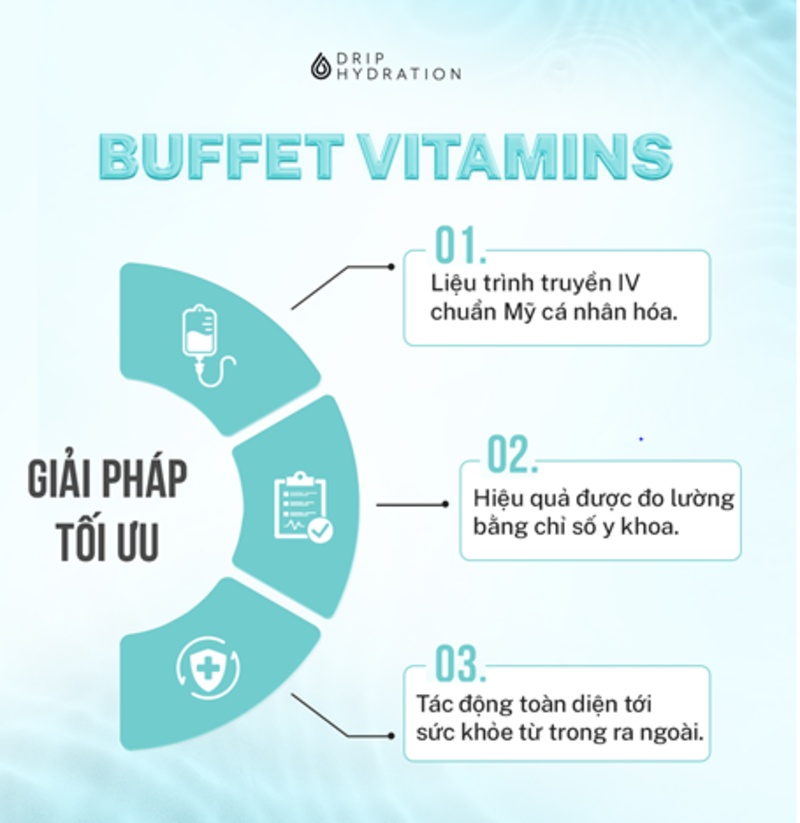
Intravenous (IV) vitamin therapy is a clinical method of administering vitamins and minerals directly into the systemic circulation, allowing the body to achieve near-complete nutrient bioavailability immediately, bypassing the digestive degradation associated with oral supplements. The Brain Power package, developed exclusively for the Vietnamese market by Drip Hydration (USA), is designed to support mental clarity and cerebral restoration. This proprietary formula combines targeted micronutrients to help restore mental acuity, protect and regenerate neural pathways, and optimize cognitive performance for individuals requiring sustained focus and lucidity.
Contact our hotline or book an appointment to receive professional information and support today!
References
Samhsa.gov, Healthline.com, Webmd.com
Bài viết của: Biên tập viên Drip Hydration