Alpha-lipoic acid (ALA) is a sulfur-containing compound that acts as a vital cofactor in the mitochondria, helping to convert carbohydrates, fats, and proteins into cellular energy (ATP). Additionally, ALA provides potent antioxidant properties and protects neural pathways. By helping to mitigate cellular aging, mental fatigue, and age-related cognitive decline, it lays the biological foundation for ALA brain rejuvenation.
1. What is ALA? Its biological role and impact on aging and cognitive fatigue
ALA is a naturally occurring compound produced by the liver and found in foods like spinach and red meat, or taken as a dietary supplement. Within the cell, ALA acts as a vital co-factor (a “helper” molecule) for enzymes in the mitochondria – the “powerhouses” of the cell – converting nutrients into ATP. As a result, cells generate sustained energy, allowing the body to recover and alleviate fatigue more effectively.
Why is ALA linked to aging and mental fatigue?
- As age increases, mitochondrial function declines and reactive oxygen species (ROS) increase, causing cellular damage, DNA degradation, and energy depletion – the hallmarks of cellular aging. ALA supports mitochondrial efficiency and provides robust antioxidant defense, helping to mitigate this aging process.
- Neurons are highly sensitive to energy depletion and oxidative stress, which often lead to mental fatigue and cognitive decline. Because of its neuroprotective properties, Alpha-Lipoic Acid is extensively studied as a compound that supports neural function and drives ALA brain rejuvenation.

2. How does ALA regenerate cellular energy?
2.1. Supporting mitochondrial efficiency – the cell’s “powerhouses”
Mitochondria produce ATP for all vital activities. A study by Solmonson & DeBerardinis (2018) indicates that ALA acts as a vital cofactor that binds to mitochondrial enzyme complexes. This accelerates the conversion of carbohydrates and fats into usable energy, allowing the body to recover more effectively from fatigue.
2.2. Antioxidant action and protecting mitochondria from oxidative damage
During energy production, cells generate numerous free radicals – metabolic byproducts that can damage cell membranes, DNA, and enzymes.
A comprehensive review by Gorąca et al. (2011) demonstrated that ALA and its reduced form (DHLA) can neutralize these free radicals and regenerate endogenous antioxidants such as vitamin C, vitamin E, and glutathione. Furthermore, ALA helps protect mitochondria from premature cellular aging, mitigates oxidative stress, and sustains long-term energy production capacity.
Thanks to this dual mechanism – combatting oxidative stress while regenerating other protective agents – ALA acts as a vital “shield” for the intracellular energy system.
2.3. ALA: A catalyst for cellular energy and longevity
Beyond its role in supporting mitochondria, ALA is also linked to NAD+ (nicotinamide adenine dinucleotide) – a crucial molecule that helps cells generate energy, repair DNA, and support healthy aging.
According to a 2024 study published by Henderson et al., ALA can enhance the activity of the NAMPT enzyme, which helps recycle NAD+ from intracellular precursors, and stimulate NQO1, an enzyme that balances the NAD+/NADH ratio. Consequently, ALA helps maintain optimal cellular energy levels, reduces fatigue, and improves recovery capacity following oxidative stress.
Therefore, ALA is often studied in tandem with NAD+ in advanced regimens supporting cellular regeneration and ALA brain rejuvenation. In Vietnam, intravenous protocols such as Drip Hydration’s Brain Power Plus are based on this clinical principle. This therapy combines ALA supplementation with nutrients that support NAD+ levels to optimize neural energy, enhance focus, and maintain long-term cognitive function.

3. How does ALA brain rejuvenation work?
3.1. Sustaining energy for neurons
Neurons are among the body’s most intensive consumers of energy. Every neuron requires ATP to maintain membrane potential, transmit signals, and undergo cellular repair. When mitochondrial efficiency weakens, signal transmission decreases, leading to cognitive fatigue, reduced concentration, and gradual neurodegeneration.
Research indicates that ALA supports mitochondrial energy production and protects neurons from oxidative stress. A study by Liu et al. (2002) demonstrated that ALA helped improve memory and learning capacity in aged models by increasing mitochondrial enzyme activity and neuronal energy levels, thereby facilitating ALA brain rejuvenation.
3.2. Modulating neuroinflammation and stabilizing the blood-brain barrier
ALA helps modulate inflammatory responses in the brain, supports the integrity of the blood-brain barrier, and helps prevent circulating toxins from infiltrating neural tissue. A study by Zhang et al. (2018) indicated that ALA enhances blood-brain barrier integrity, reduces neuroinflammation, and limits microglial activation – a critical factor associated with neurodegenerative conditions such as Alzheimer’s and Parkinson’s diseases.
3.3. Evidence linking ALA to cognition and neural function
While large-scale clinical data continues to evolve, numerous studies suggest that ALA can support memory, reflex speed, and neurotransmission, especially when combined with complementary nutrients.
In a clinical trial by Shinto et al. (2014) involving patients with Alzheimer’s disease, combining ALA with omega-3 fatty acids helped slow the progression of cognitive decline compared to the group taking only omega-3. Furthermore, in clinical research on diabetic peripheral neuropathy, an intravenous ALA dose of 600mg/day has been shown to reduce discomfort, improve sensation, and enhance nerve conduction velocity. This demonstrates its robust protective effects on peripheral nerve fibers and the efficiency of neural signal transmission.
Synthesizing this evidence, ALA is recognized as a potent compound for supporting neuroprotection and promoting ALA brain rejuvenation, especially when utilized in advanced cellular energy regeneration protocols like Drip Hydration’s Brain Power therapy.
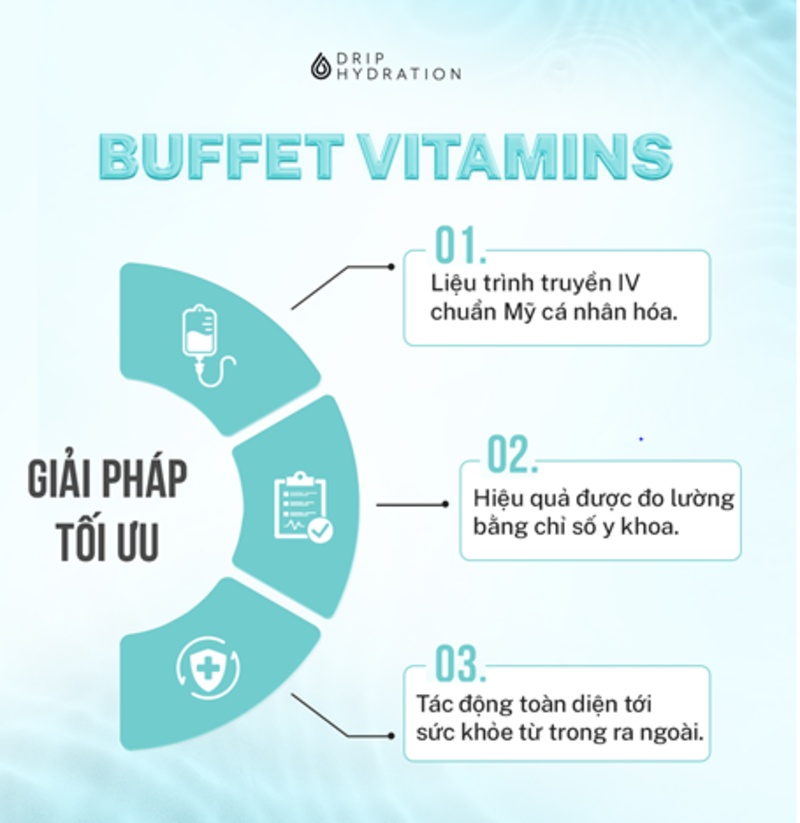
Brain Power IV Therapy is an intravenous protocol combining Cerebrolysin, Glutathione, ALA, and essential multivitamins. This formulation is designed to support deep cognitive recovery, promoting enhanced mental clarity, sustained focus, and mental energy. The therapy also aids in stress management, supports restorative sleep, and provides comprehensive neuroprotective benefits.
References
- Gorąca, A. et al. (2011). Lipoic acid – biological activity and therapeutic potential. Pharmacological Reports, 63(4), 849–858. https://pmc.ncbi.nlm.nih.gov/articles/PMC3022059/
- Solmonson, A. & DeBerardinis, R.J. (2018). Lipoic acid metabolism and mitochondrial function in health and disease. J. Biol. Chem., 293(20), 7522–7530. https://pmc.ncbi.nlm.nih.gov/articles/PMC5961061/
- Henderson, S.T. et al. (2024). Nicotinamide metabolism and mitochondrial health: synergy of alpha-lipoic acid in NAD+ restoration. npj Aging, 10(1), 22–34. https://pmc.ncbi.nlm.nih.gov/articles/PMC10834541/
- Liu, J. et al. (2002). Memory loss in old rats linked to mitochondrial decay: reversal by acetyl-L-carnitine and R-ALA. PNAS, 99(4), 2356–2361. https://www.pnas.org/doi/10.1073/pnas.261708898
- Zhang, W. et al. (2018). Alpha-lipoic acid protects the blood–brain barrier and reduces neuroinflammation. Neurosci. Lett., 684, 190–198.
- Shinto, L. et al. (2014). Omega-3 and alpha-lipoic acid in Alzheimer’s disease: pilot trial. J. Alzheimers Dis., 38(1), 111–120. https://pubmed.ncbi.nlm.nih.gov/15111517/
- Drip Hydration Vietnam. (2025). Brain Power IV Drip – Truyền năng lượng & tăng cường chức năng não bộ. https://driphydration.vn/dich-vu/truyen-tang-tri-luc/
Bài viết của: Biên tập viên Drip Hydration