This article was medically reviewed by Dao Thi My Van, MD, MSc.
Ischemic stroke is a dangerous medical condition that severely impacts health and quality of life. So, who is most susceptible to this condition? Let us explore the primary risk factors and high-risk populations.
1. Who is most susceptible to ischemic stroke?
Certain population groups are more susceptible to stroke, particularly ischemic stroke (which accounts for approximately 87% of all stroke cases). What are the risk factors for ischemic stroke, and who is most vulnerable to this condition?
1.1. Older adults
Individuals over 55 years of age are more susceptible to stroke. The risk doubles with each passing decade after age 55. This occurs because blood vessels naturally become less elastic with age, and arterial plaque accumulation increases over time. Additionally, the cumulative impact of comorbidities that increase with age makes older adults more prone to ischemic stroke compared to younger populations.
1.2. Biological sex and gender
Overall, men have a higher incidence of ischemic stroke, but women have a higher lifetime risk and are more likely to die from a stroke. Female-specific risk factors include:
- Pregnancy and childbirth complications (such as preeclampsia);
- Use of oral contraceptives, particularly when combined with cigarette smoking;
- Hormone replacement therapy (HRT).
1.3. Race and ethnicity
Black or African American, Hispanic/Latino, and American Indian/Alaska Native individuals face a higher risk of stroke compared to non-Hispanic White populations. Contributing factors include higher prevalence rates of hypertension, diabetes mellitus, and obesity within these populations, alongside socioeconomic disparities that impact healthcare access.
1.4. Individuals with a family history and genetic predispositions
A family history of stroke increases an individual’s susceptibility. This may be attributed to inherited genetic conditions affecting blood coagulation and thrombosis, alongside familial predispositions to underlying risk factors such as hypertension or diabetes.
1.5. Individuals with specific underlying medical conditions
- High blood pressure (hypertension): Hypertension is the leading modifiable risk factor, damaging blood vessel walls and accelerating atherosclerosis (arterial narrowing and hardening).
- Cardiovascular disease: Atrial fibrillation can lead to blood clot formation within the cardiac chambers, which can travel to the brain; additionally, coronary artery disease and heart valve disorders significantly increase stroke risk.

- Diabetes mellitus: Diabetes causes progressive vascular damage over time and frequently coexists with obesity and hypertension.
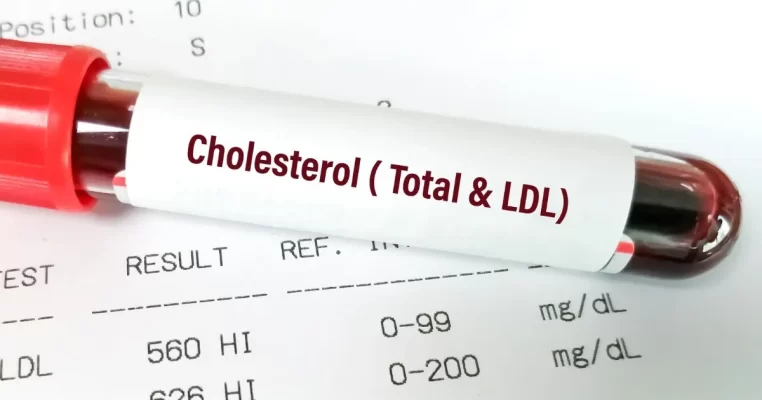
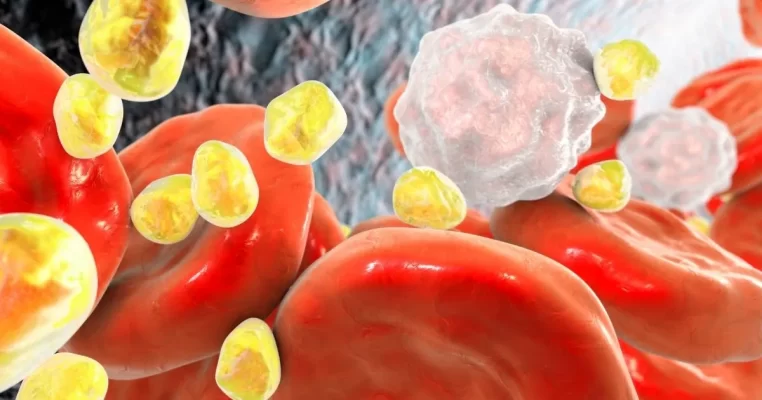
- High cholesterol (hyperlipidemia): Contributes to atherosclerotic plaque accumulation within arterial walls.
- Obesity: Frequently associated with metabolic risk factors such as hypertension, dyslipidemia, and diabetes mellitus.
- Sickle cell disease: Abnormally shaped red blood cells can obstruct cerebral blood flow, making individuals with this condition significantly more susceptible to ischemic stroke.
1.6. Individuals with unhealthy lifestyles
Certain lifestyle factors significantly increase stroke risk:
- Cigarette smoking: Smoking damages the vascular endothelium, promotes hypercoagulability, and reduces blood oxygen delivery, contributing to elevated stroke risk.
- Physical inactivity: A sedentary lifestyle increases the risk of obesity, hypertension, and hyperlipidemia, alongside impaired cardiovascular health.
- Excessive alcohol consumption: Heavy drinking can induce hypertension and trigger cardiac arrhythmias such as atrial fibrillation.
- Substance use: Stimulants like cocaine and methamphetamine can cause severe vasoconstriction and acute blood pressure spikes. Intravenous drug use also increases the risk of infective endocarditis, which can precipitate an embolic stroke.
1.7. Individuals with a history of prior stroke or transient ischemic attack (TIA)
Individuals who have previously had a stroke or TIA face a substantially higher risk of recurrent stroke due to:
- Persistent underlying vascular and metabolic risk factors;
- Pre-existing vascular damage resulting from the prior event.
1.8. Sleep apnea
Obstructive sleep apnea is associated with elevated stroke risk through several mechanisms:
- Nocturnal hypoxemia (intermittent drops in blood oxygen levels during sleep);
- Exacerbation of hypertension and autonomic dysfunction;
- Increased strain on the cardiovascular system.
1.9. Hormonal factors
- Pregnancy: Increased blood volume, hypercoagulability, and elevated vascular pressure during the gestational and postpartum periods.
- Menopause: The natural decline in estrogen levels adversely affects lipid profiles and vascular elasticity.
1.10. Individuals experiencing chronic stress
Chronic psychological stress can contribute to sustained hypertension, systemic inflammation, and unhealthy coping behaviors.
Understanding these risk factors is crucial for stroke prevention. Many of these contributors are modifiable through lifestyle modifications, medical management, or a combination of both. Routine health screenings, a balanced diet, regular physical activity, smoking cessation, and limiting alcohol intake can significantly reduce the risk of ischemic stroke.
2. How can high-risk individuals prevent ischemic stroke?
Having identified those most susceptible to ischemic stroke, let us examine practical strategies to help high-risk populations mitigate this risk. Below are evidence-based approaches to reduce the likelihood of experiencing an ischemic stroke:
2.1. Blood pressure management
High blood pressure is the single most significant modifiable risk factor for ischemic stroke. Individuals at risk should manage their blood pressure through the following measures:
- Routine blood pressure monitoring;
- Strict adherence to prescribed antihypertensive medications;
- Dietary modifications: reducing sodium intake and consuming potassium-rich foods;
- Stress reduction practices, such as mindfulness or yoga;
- Regular physical activity;
- Limiting alcohol consumption.
2.2. Cholesterol control
Elevated low-density lipoprotein (LDL) cholesterol accelerates atherosclerosis, increasing stroke risk. Key management strategies include:
- Routine lipid panel screenings;
- Consistent use of statins or other lipid-lowering therapies as prescribed;
- Heart-healthy dietary choices: limiting saturated and trans fats while increasing soluble fiber;
- Regular physical exercise;
- Weight management.
2.3. Diabetes management
For individuals living with diabetes, optimal glycemic control is essential to protect vascular health:
- Routine blood glucose monitoring (including periodic Hemoglobin A1c testing);
- Adherence to prescribed oral hypoglycemic medications or insulin regimens;
- Medical nutrition therapy guided by a registered dietitian;
- Regular physical exercise;
- Routine evaluations to monitor and prevent microvascular and macrovascular complications.
2.4. Smoking cessation
Tobacco cessation significantly lowers the risk of vascular thrombosis and stroke:
- Nicotine replacement therapy (NRT) products (such as patches, gums, or lozenges);
- Prescription smoking cessation pharmacotherapy;
- Behavioral counseling and community support programs;
- Structured tapering strategies to overcome nicotine dependence.
2.5. Physical activity
Regular physical exercise confers broad cardiovascular and neuroprotective benefits:
- Aim for at least 150 minutes of moderate-intensity aerobic exercise or 75 minutes of vigorous exercise per week;
- Incorporate muscle-strengthening activities at least two days per week;
- Start gradually and increase intensity progressively for previously sedentary individuals;
- Engage in accessible activities such as brisk walking, swimming, or cycling.

2.6. Healthy dietary regimen
A balanced, nutrient-dense diet significantly mitigates stroke risk:
- A Mediterranean-style or DASH diet rich in fruits, vegetables, whole grains, legumes, and lean proteins;
- Minimizing ultra-processed foods, saturated fats, red meats, and added sugars;
- Increasing intake of omega-3 fatty acids (found in fatty fish, flaxseeds, and walnuts);
- Restricting daily sodium intake to under 2,300 mg per day (or 1,500 mg if advised by a healthcare provider for hypertension management).
2.7. Weight management
Maintaining a healthy body mass index (BMI) reduces cardiovascular strain:
- Set realistic, sustainable weight-loss goals (aiming for 5% to 10% reduction if overweight);
- Combine dietary adjustments with consistent physical activity;
- Consult a registered dietitian or enroll in a structured weight-management program.
2.8. Alcohol restriction
If individuals choose to drink alcohol, moderate consumption is recommended:
- For men: No more than 2 standard drinks per day;
- For women: No more than 1 standard drink per day;
- Complete abstinence is recommended for individuals with alcohol use disorder or specific medical contraindications.
2.9. Stress management
Chronic psychological stress contributes to sustained hypertension and elevated vascular risk:
- Practice evidence-based relaxation techniques, such as mindfulness, deep breathing exercises, or progressive muscle relaxation;
- Engage in regular, enjoyable physical activity;
- Seek professional counseling or cognitive behavioral therapy (CBT) if needed;
- Maintain healthy boundaries with work and daily responsibilities.
2.10. Sleep apnea treatment
For individuals diagnosed with obstructive sleep apnea:
- Consistent adherence to prescribed Continuous Positive Airway Pressure (CPAP) therapy;
- Weight management to reduce airway obstruction;
- Positional therapy (sleeping on one’s side rather than on the back);
- Consultation with a sleep specialist or ENT surgeon for surgical options if standard therapy is ineffective.
2.11. Anticoagulant and antiplatelet therapy
For individuals with atrial fibrillation, severe carotid stenosis, or prior thrombotic events:
- Adhere strictly to prescribed oral anticoagulants (DOACs/warfarin) or antiplatelet agents (aspirin, clopidogrel);
- Undergo routine monitoring and medication reviews with a healthcare provider.
2.12. Routine health screenings
- Annual preventive wellness examinations;
- Periodic screenings for hypertension, dyslipidemia, and prediabetes/diabetes;
- Comprehensive cardiovascular and carotid assessments as indicated.
2.13. Genetic counseling
For individuals with a strong family history of early-onset vascular disease or familial hypercoagulability:
- Consider genetic counseling and specialized testing if recommended by a physician;
- Identify inherited risk profiles to implement personalized, proactive prevention strategies.
3. Key considerations for ischemic stroke prevention
By implementing these evidence-based strategies, individuals can substantially reduce their risk of ischemic stroke. It is important to emphasize that stroke prevention represents a lifelong commitment requiring ongoing adjustments based on evolving health status and emerging medical evidence. Partnering regularly with healthcare providers is key to developing and maintaining an effective, individualized prevention plan tailored to a person’s specific risk profile and clinical needs.
High-risk populations for ischemic stroke include older adults, individuals with a history of cardiovascular disease, diabetes mellitus, hypertension, heavy alcohol consumption, and cigarette smoking. Identifying these risk factors and adopting appropriate preventive measures are essential for protecting overall vascular health and minimizing disease incidence. Only by clearly understanding who is susceptible can we deploy effective, targeted ischemic stroke prevention strategies.
IV vitamin therapy at Drip Hydration – Modern proactive healthcare standards
IV vitamin (intravenous vitamin) therapy involves administering vital micronutrients directly into the bloodstream. This route enables complete, immediate nutrient bioavailability, bypassing the digestive tract breakdown typically associated with oral supplements.
Tailored regimens designed and supervised by Drip Hydration healthcare professionals to meet individual clinical needs include:
- Dehydration IV therapy
- Energy boost IV therapy
- Recovery IV therapy
- Immune boost IV therapy
- Super immune boost IV therapy
- Beauty IV therapy
- Myers’ cocktail IV therapy
- Hangover IV therapy
- Stomach flu IV therapy
- All-inclusive IV therapy
- Brain power IV therapy
Therefore, practicing proactive healthcare through tailored nutrient supplementation plays an essential role in early disease prevention and overall quality of life. To help you take control of your vascular health and mitigate risks naturally, Drip Hydration offers a specialized Stroke Risk Screening and Management Support Program. Contact our hotline at 0901.885.088 or register for a complimentary consultation to receive details regarding the Drip Vitamin Membership today!
References: ahajournals.org, ncbi.nlm.nih.gov, emedicine.medscape.com, health.gov, healthline.com, health.harvard.edu
Bài viết của: Biên tập viên Drip Hydration