In the fast-paced rhythm of modern life, experiencing persistent fatigue, exhaustion, and a heavy, aching head has become a chronic nightmare for many. The root cause driving the brain into this depleted state is often a severe deficit of essential cellular micronutrients, particularly magnesium and B-complex vitamins. Implementing appropriate vitamin supplementation serves as a scientific secret to soothing the nervous system, helping you achieve measurable success in reducing tension headaches without relying on temporary prescription drugs.
Understanding the true pathophysiology of tension headaches
A widespread clinical misconception is that experiencing a heavy head is a purely psychological response that occurs when we overthink. In reality, when your mind feels constantly overwhelmed, it triggers a cascade of physical reactions involving the neuroendocrine network and cerebral vascular systems:
- When psychological pressures mount and persist, they heavily activate the hypothalamic-pituitary-adrenal axis (HPA axis). This over-activation forces the adrenal glands to release a flood of stress hormones – specifically cortisol and adrenaline – into the systemic circulation.
- Physiologically, if the central nervous system possesses an adequate pool of magnesium and essential B vitamins, these micronutrients act as mandatory cofactors enabling the brain to synthesize gamma-aminobutyric acid (GABA). GABA is the primary inhibitory neurotransmitter responsible for calming hyper-excited neural signaling, lowering circulating stress hormones, and dampening the stress response before it escalates.
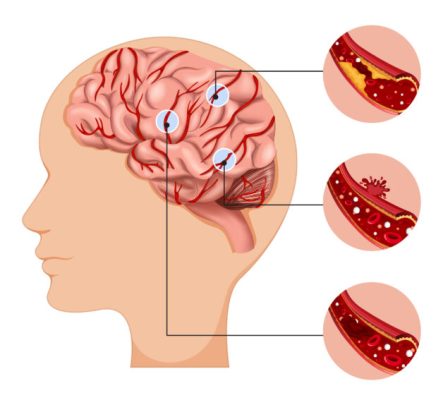
- Conversely, when the body enters a state of micronutrient depletion due to dietary gaps or prior excessive consumption, internal GABA synthesis stalls. Without this neurochemical “brake,” uncontrolled elevations in adrenaline and cortisol stimulate the sympathetic nervous system, causing continuous constriction of the cerebral blood vessels.
- This drop in blood flow to the cerebral cortex tightly restricts the extracranial muscles surrounding the head, neck, and shoulders, placing intense pressure on sensitive peripheral nerve pathways.
This sequence represents the physical mechanism behind tension headaches, leaving individuals feeling structurally weighed down, exhausted, and stuck in a classic cycle of pain.
Clinical mechanisms: Why a lack of magnesium and B vitamins overloads the nervous system
The human nervous system is an incredibly high-energy organ, consuming a disproportionate share of systemic oxygen and micronutrients. Every cognitive task, memory retrieval, or physical reflex relies on a steady supply of active minerals and vitamins. When you face frequent mental strain, the consumption rate of these cellular resources increases exponentially, pushing the brain into a metabolic crisis that triggers tension headaches if they are not promptly replenished.
The biological role of magnesium: The nervous system’s natural brake
Under a biochemical lens, magnesium functions as far more than a basic mineral; it serves as an essential gatekeeper regulating ion transport channels across cell membranes.
According to a clinical study titled “Magnesium in the Central Nervous System: Role in Tension-Type Headache and Stress” (Maier et al., published in Nutrients), magnesium operates as a natural calcium channel blocker within neural synapses. Specifically, when the body maintains optimal magnesium saturation, this mineral occupies the N-methyl-D-aspartate (NMDA) receptors – a class of excitatory receptors responsible for processing stress and arousal signals. The structural presence of magnesium blocks NMDA pathways, preventing excess glutamate (the brain’s primary excitatory neurotransmitter) from overloading and damaging neural tissues, allowing the central nervous system to sustain a relaxed, balanced state.
However, clinical data also highlight a dangerous depletion loop. When your mind is under chronic strain, the body activates acute survival mechanisms that inadvertently accelerate the excretion of magnesium through the urine. As your systemic magnesium reserves drop, the protective shield guarding NMDA receptors is removed, opening the calcium channels wide. This allows calcium ions to flood into the nerve cells unchecked, pushing neurons into a state of chronic hyper-arousal.
This sustained neural irritation serves as a direct cause of extracranial muscle tension and heightened pain sensitivity within the central nervous system. This biological pathway drives tension headaches and chronic vascular headaches, leaving patients feeling as though their heads are under intense, crushing pressure.
B-complex vitamins: The mandatory catalysts for energy and neurotransmitter production
If magnesium serves as the biological brake, B vitamins function as the essential fuel required to run the brain’s cellular energy factory. According to a clinical review titled “The Effects of Vitamin B Co-supplementation on Stress and Cognitive Function” (published in Nutrients), B vitamins – particularly the synergistic combination of vitamins B6, B9, and B12 – serve as foundational keys for nervous system biochemistry.
The research details that vitamins B6, B9, and B12 are mandatory coenzymes involved in the enzymatic synthesis of core mood-regulating neurotransmitters, including serotonin (the wellness hormone), dopamine (the motivation signal), and GABA (the neural calming agent). Concurrently, B vitamins are irreplaceable components driving the Krebs cycle within the mitochondria – the cell’s powerhouses – to manufacture the ATP molecules required to sustain cerebral workload capacity.
When you navigate periods of intense mental strain, your brain cells consume B-complex vitamins at multiple times the standard rate to cope with the physiological load. A deficiency in these vitamins immediately plunges the brain into a severe cellular energy crisis. When the mitochondria fail to produce adequate ATP, neurons weaken, making them highly vulnerable to free radical damage and accelerating the oxidative stress that drives tension headaches while impairing the cells’ natural repair mechanisms.
The clinical result is cognitive brain fog, impaired memory retention, sluggish thinking, persistent anxiety, and chronic exhaustion that lingers day after day.

Clinical presentation of neuro-metabolic overload and micronutrient deficits
According to the diagnostic frameworks outlined in the International Classification of Headache Disorders (ICHD-3) for tension-type headaches, when the nervous system faces prolonged stress coupled with localized micronutrient depletion, the body exhibits specific warning signs:
- A tight, band-like constriction around the head: This represents the classic indicator of a tension headache. Unlike the throbbing, pulsatile sensations characteristic of a migraine, patients experience a steady, dull, pressing ache affecting both sides of the head, often spreading from the forehead down to the occipital region at the base of the neck. This ache can linger for hours or persist for days consecutively without easing, even with rest.
- Ocular fatigue, periorbital pain, and sensory hypersensitivity: Visual pathways are deeply connected to the brain’s sensory processing centers. When cerebral networks face metabolic strain, patients frequently report heavy, dry eyes and a dull ache behind the eye sockets. Concurrently, sensory processing threshold limits drop, leaving individuals highly sensitive to bright lights (photophobia) or experiencing increased head pain when exposed to loud ambient noises (phonophobia).
- Fragmented sleep architecture and musculoskeletal aches: A lack of magnesium and disrupted melatonin pathways can affect sleep cycles. Patients often struggle to fall asleep, experience light, fragmented sleep, or navigate vivid dreams. Furthermore, because chronic muscle tightness remains unreleased, individuals wake up experiencing peripheral numbness, physical exhaustion, and shoulder or neck stiffness, feeling as though they have just undergone intense physical labor.
If these clinical signs occur more than 15 days per month for a duration exceeding three months, your condition has transitioned into a chronic pattern of tension headaches, necessitating targeted clinical care.
Why oral micronutrient supplements can fall short during acute flares
When dealing with frequent mental strain, many individuals purchase over-the-counter multivitamin tablets containing magnesium or B vitamins for home use. However, clinical experience shows that oral options can produce a very slow response, often proving insufficient during acute or chronic tension headaches due to the body’s natural digestive barriers, making them less effective during sudden flares.
First, when you are under severe mental strain and experiencing a painful headache, the sympathetic nervous system switches into a hyper-active “fight-or-flight” mode. This physiological reflex automatically redirects circulating blood flow away from the gastrointestinal tract to prioritize core survival organs. Consequently, intestinal motility slows down and digestive enzyme secretions drop, causing the digestive system to become sluggish. When oral tablets are introduced into this compromised environment, they struggle to properly dissolve and absorb, causing a portion of the active nutrients to be excreted without ever reaching energy-starved neural tissues.
Second, the structural chemistry of B-complex vitamins, particularly vitamins B9 and B12, is highly sensitive to degradation. When routed through the oral pathway, these compounds encounter a highly acidic environment in the stomach and destructive digestive enzymes in the intestinal tract. A significant percentage of the ingested vi chất becomes denatured or loses its biological activity before it can enter the bloodstream to cross the blood-brain barrier. Therefore, oral supplementation alone is often inadequate to address an urgent micronutrient crisis within cerebral tissues.
Releasing neurological pressure at the cellular level via intravenous micronutrient therapy
To bypass gastrointestinal absorption caps completely and achieve immediate neural relaxation, modern regenerative protocols leverage targeted intravenous delivery. Intravenous (IV) therapy delivers an optimized blend of pure micronutrients directly into the circulation, rapidly correcting hidden deficiencies, restoring cellular energy reserves, and supporting tissue repair.
Advanced neuro-metabolic restoration pathways
The specialized Brain Power IV Drip protocol at Drip Hydration features a premium medical formulation combining active wellness compounds:
- Cerebrolysin: Supports neuro-regeneration, protects neural signaling pathways, and nourishes brain cells.
- Glutathione: The body’s master antioxidant, which neutralizes full-body free radicals and provides elite neuroprotection.
- Alpha-Lipoic Acid (ALA): Increases brain insulin sensitivity, neutralizes free radicals, and shields cerebral structures from oxidative stress.
- Comprehensive Multivitamin Blend (Vitamins A, D3, E, C, B1, B2, B6, B12, Nicotinamide, Folic Acid, Biotin, Dexpanthenol, Lecithin, Glycine): Synergizes to enhance baseline cognitive output, maintain focus, and lower mental burnout.
By entering through a vein, this nutrient-dense solution immediately reaches and passes through the blood-brain barrier, delivering pure metabolic building blocks straight to exhausted neurons.
When paired with our tailored detoxification and metabolic rejuvenation protocols, Drip Hydration’s therapies target the root causes of a tension headache to support sustainable relief and maintain a clear, alert, and energized mind.
Do not let chronic, unaddressed head pain from tension headaches limit your mental performance, disrupt your productivity, or compromise your daily quality of life. Take a proactive step toward wellness by choosing advanced intravenous micronutrient therapy at Drip Hydration today, re-establishing your focus from the cellular level and cultivating a healthy, resilient mind.
Contact our professional medical team today at 0901.885.088 to schedule your expert clinical consultation.
Frequently Asked Questions (FAQs)
How rapidly can I expect results from an IV drip for tension headaches?
Answer: Initial relief from neural tension and a reduction in cerebral vascular spasming can frequently be felt before your first infusion session concludes.
However, to maintain long-term cognitive clarity and prevent future flares, it is essential to complete a structured protocol tailored to your unique metabolic profile by our physicians. Once your brain cells replenish their ATP energy reserves and systemic micronutrient saturation stabilizes, your nervous system can re-establish its natural defense mechanisms, helping you manage daily pressures efficiently.
What are the medical risks of overusing over-the-counter painkillers for stress-induced headaches?
Answer: When facing chronic mental strain accompanied by head pain, relying heavily on over-the-counter painkillers (such as paracetamol, ibuprofen, or standard NSAIDs) without professional guidance is a serious clinical mistake.
These medications merely interrupt pain signaling to the brain temporarily; they do not address the underlying causes, such as micronutrient depletion or vascular constriction.
Using acute pain relievers consistently for more than three months can trigger a condition known as medication overuse headache (MOH), causing rebounds to return with greater severity and frequency the moment the drug clears your system. Furthermore, metabolizing these compounds over long periods places a heavy load on your liver and kidneys, potentially leading to hepatocyte irritation, reduced renal filtration function, and damage to the gastric mucosal lining, which elevates the risk of peptic ulcers or gastrointestinal bleeding.
Visit our website at https://driphydration.vn/ to stay informed with advanced consumer health insights from the United States and schedule your appointment today. Drip Hydration is a premier global wellness brand spanning over 150 clinics across 100 international cities, including modern polyclinic facilities in Hanoi and Ho Chi Minh City.
Source:
- Magnesium in the Central Nervous System: Role in Tension-Type Headache and Stress, Adelaide.edu.au, 2022.
- The Effects of Vitamin B Co-supplementation on Stress and Cognitive Function, MDPI, 2023.
- International Classification of Headache Disorders: Tension Headache, IHS – International Headache Society, 2024
Bài viết của: Biên tập viên Drip Hydration