Watching your hair thin out every day can be incredibly frustrating. If you’re searching for a real solution, you’ve likely heard of biotin to prevent hair loss. But does this popular B-vitamin actually work? Let’s dive into the science behind it and how to use it right.
Hormonal imbalances: The primary driver behind midlife thinning hair in women
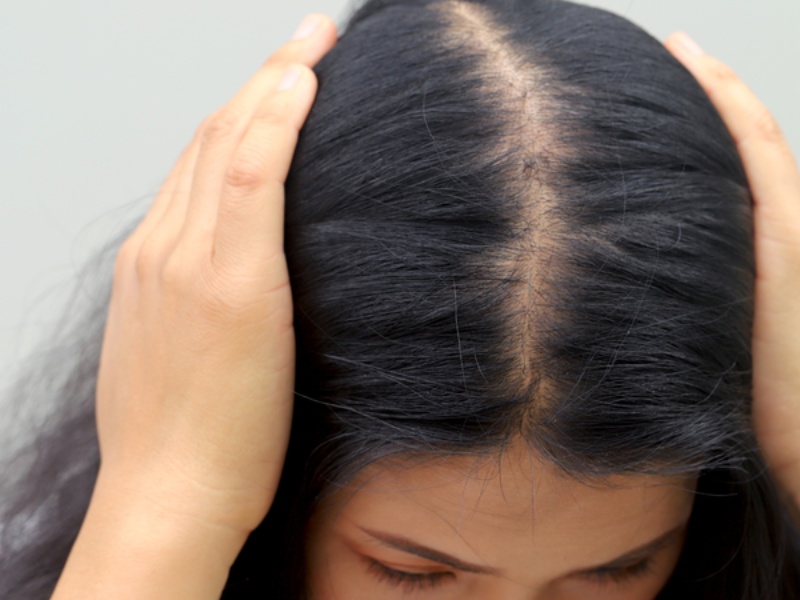
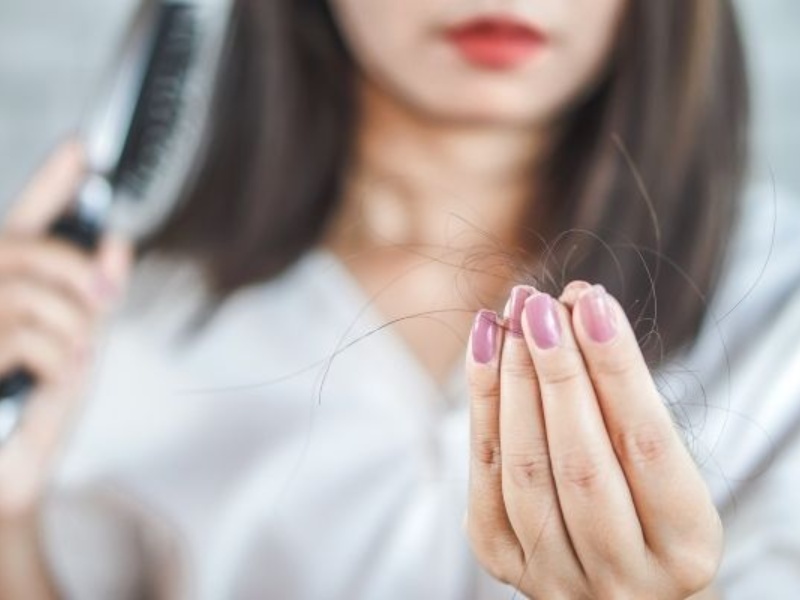
Hair thinning and shedding in middle-aged women – particularly during perimenopause and menopause – is an incredibly common dermatological complaint that is often unfairly dismissed. Far from a simple consequence of chronological aging, it is deeply rooted in internal hormonal shifts.
During the perimenopausal and menopausal transition, ovarian function naturally declines, resulting in a stark drop in circulating estrogen and progesterone levels. Structurally, these female hormones are highly protective; they extend the “anagen” phase (the active growth phase) of the hair cycle, allowing strands to grow faster, thicker, and remain anchored for longer durations.
As these protective female hormones deplete, the body’s hair follicles become proportionately more sensitive to circulating androgens, specifically dihydrotestosterone (DHT). DHT binds directly to androgen receptors on sensitive hair follicles, initiating a progressive process known as follicular miniaturization. As follicles steadily shrink, the emerging hair shafts become increasingly finer, shorter, and easily dislodged. This mechanism serves as the primary cause behind diffuse, female-pattern hair thinning typically concentrated across the crown of the head in middle-aged women.
Furthermore, managing occupational, familial, or psychological pressures during the menopausal shift drives up systemic cortisol production. Prolonged psychological stress prematurely forces active hair follicles out of their growth cycle and into the “telogen” phase (the resting and shedding phase), inducing a wave of telogen effluvium – noticeable, widespread hair shedding.
What is biotin?
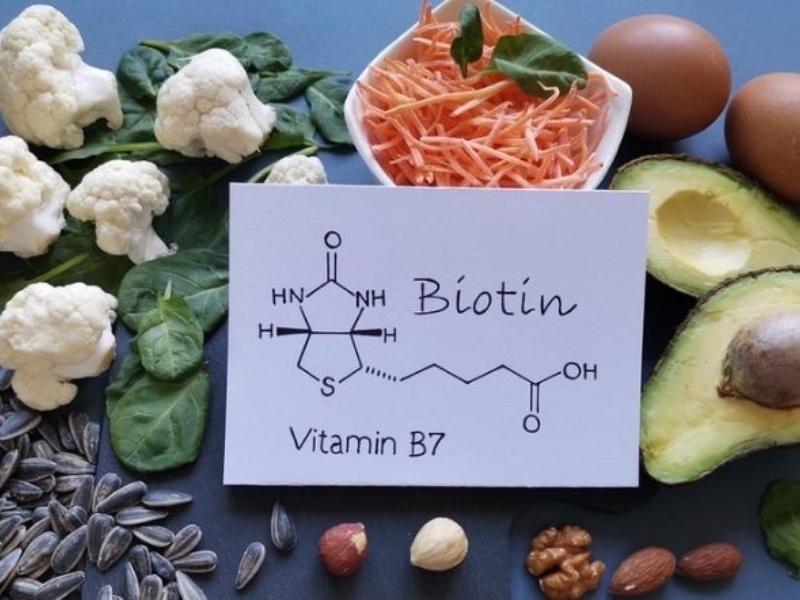
Biotin (also widely designated as vitamin B7 or vitamin H) is a water-soluble micronutrient belonging to the essential B-complex family.
Biotin acts as a mandatory metabolic coenzyme required to break down and utilize macronutrients across systemic physiological processes, including:
- Lipid metabolism: Facilitating the synthesis of essential fatty acids needed to nourish the surrounding follicular matrix.
- Carbohydrate metabolism: Powering glucose pathways to provide ATP cellular energy for rapidly dividing hair germ cells.
- Amino acid metabolism: Driving structural protein synthesis, which serves as the foundation for tissue repair.
Because biotin is entirely water-soluble, the human body lacks the capacity to store significant quantities long-term, rapidly filtering and excreting excess amounts through the urine. Consequently, a steady daily supply via whole-food nutrition or targeted health supplementation is highly necessary to protect and sustain optimal hair health.
The role of biotin to prevent hair loss in middle-aged women
Biotin helps alleviate thinning hair in middle-aged women by improving the baseline health of hair follicles and strengthening the structural quality of individual hair strands from the inside out. Rather than acting as an immediate or overnight solution, biotin works through gradual micronutrient support, empowering follicles to build resilient strands even as the body navigates the hormonal shifts of perimenopause and menopause.
Boosting structural keratin production to maximize hair strength
The hair shaft is composed predominantly of keratin, a fibrous structural protein that dictates the thickness, structural tensile strength, and natural elasticity of every strand. Biotin serves as a vital vitamin cofactor in the biochemical synthesis of keratin.
When the system is adequately supplied with biotin, newly emerging hair strands tend to grow sturdier, showing reduced dryness, texture split-ends, and a significant decrease in brittle breakage. This nutritional support is highly necessary for middle-aged women, whose natural hair regeneration speeds slow down due to advancing age and hormonal depletion.
Supporting robust hair follicle nourishment
Biotin plays an important part in fatty acid synthesis and nutrient delivery to the rapidly dividing cells within the hair bulb. A well-nourished hair follicle establishes a tighter, more stable physical grip on the hair root, effectively minimizing excessive shedding during everyday washing, brushing, or mechanical styling. Over time, superior follicular nourishment supports consistent growth cycles, helping to preserve and improve overall hair density.
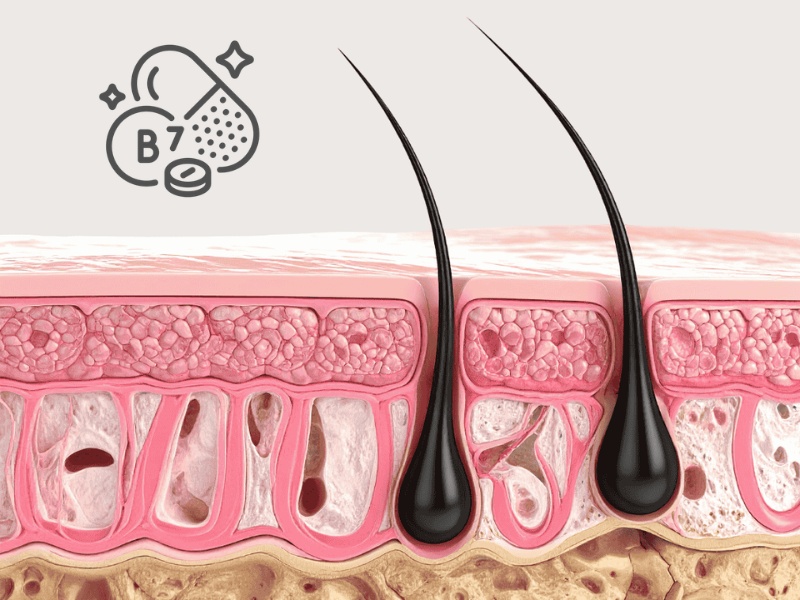
Maintaining a balanced scalp environment
In middle-aged women, fluctuations in sex hormones can disrupt the scalp’s sebaceous glands, causing the skin to become excessively dry or overly oily. These imbalances can trigger flaking, localized scalp irritation, or follicular inflammation – unfavorable conditions that compromise hair health and accelerate shedding. Biotin assists in balancing lipid pathways within the skin, helping to sustain a stable, healthy scalp environment where follicles can thrive.
Can biotin truly prevent hair loss?
Biotin does not directly prevent or reverse androgenetic hair loss triggered by genetic or hormonal factors; however, it plays a vital supportive role in sustaining normal follicular cellular division and driving the synthesis of hair’s primary structural proteins. Providing the body with sufficient biotin levels ensures that hair follicles have the necessary biochemical components to maintain their natural growth cycles, reducing the incidence of weak, brittle strands caused by nutritional deficits.
For middle-aged women, hair thinning is usually caused by a complex mix of estrogen depletion, elevated oxidative stress, and a natural age-related decline in nutrient absorption. In this scenario, biotin supports the essential metabolic pathways that supply energy to hair germ cells, helping to foster an optimal internal environment for hair preservation. While it cannot replace targeted medical treatments for endocrine-driven hair loss, ensuring adequate biotin intake is a valuable tool to optimize hair quality, manage diffuse thinning, and minimize shedding tied to underlying nutritional gaps.
Recommended daily biotin dosage for optimal hair support
- Baseline physiological requirement: According to the National Institutes of Health (NIH), the basic daily Recommended Dietary Allowance (RDA) for adults is only 30 mcg. This baseline amount is easily achieved through a standard, balanced diet.
- Therapeutic support for hair growth: Nutra-cosmetic formulations engineered to support hair quality typically deliver higher daily dosages ranging from 1,000 mcg (1 mg) to 5,000 mcg (5 mg). A clinical study published in the Journal of Clinical and Aesthetic Dermatology (2012) established that women struggling with thinning hair noted significant improvements in hair thickness and overall quality after a 90-day oral regimen of a specialized supplement containing approximately 2,500 mcg of biotin paired alongside marine proteins, vitamin C, and zinc.
- Clinical timeline: Consistent implementation for a duration of 3 to 6 months is necessary to allow new, fortified hair strands to grow out and become visible.
Because biotin is water-soluble, any excess intake is filtered safely by the kidneys. However, consuming extreme megadoses over prolonged periods without medical guidance can occasionally lead to minor complications:
- Mild acne breakouts: Typically caused when a high concentration of oral biotin competes for absorption pathways with vitamin B5 (pantothenic acid), which regulates skin barrier lipids.
- Minor digestive updates: Occasional complaints of mild bloating or transient nausea.
- Laboratory test interference: This represents the most critical safety concern. High levels of circulating biotin in blood samples can cause clinically significant inaccuracies in common immunoassay diagnostics, including thyroid panels (falsely elevating T3 and T4 or falsely suppressing TSH) and troponin biomarkers used to diagnose acute myocardial infarction (heart attacks). To guarantee accurate medical diagnostics, always halt biotin supplementation for at least 3 to 5 days before undergoing scheduled blood testing.
How to implement a holistic biotin protocol for resilient hair
For middle-aged women, hair shedding is rarely caused by a single isolated factor; it is the collective result of cellular aging, endocrine transitions, oxidative stress, and declining nutrient absorption. Therefore, effective hair care must be holistic – combining consistent biotin intake with companion micronutrients that support follicle health and drive cellular regeneration.
Sourcing natural biotin through diet
Middle-aged women should build a diverse, nutrient-dense diet rich in natural biotin and synergistic hair-building blocks:
- Fully cooked egg yolks: A rich whole-food source of biotin, bioavailable proteins, and supportive B vitamins.
- Nuts and seeds (almonds, walnuts, cashews): Deliver healthy fatty acids, biotin, and vitamin E to protect hair follicles against oxidative stress.
- Sweet potatoes: Rich in biotin and beta-carotene, a precursor to vitamin A that helps regulate scalp sebum production.
- Organ meats (beef or chicken liver): Provide concentrated supplies of B vitamins, highly absorbable heme iron, and zinc.
- Fatty fish (wild salmon, mackerel): Supply omega-3 fatty acids to optimize circulatory pathways and nourish the follicular base.
- Deep leafy greens, mushrooms, and broccoli: Supply essential folate, vitamin C, and plant-based antioxidants to fuel cellular repair.
Grouping biotin with cell-rejuvenating micronutrients
Biotin yields superior dermatological outcomes when combined with companion nutrients involved in cellular metabolism and tissue repair:
- B-complex vitamins (B5, B6, B12, folate): Optimize metabolic energy distribution directly to the hair roots.
- Zinc and iron: Vital minerals required for hair follicle cellular proliferation and protein structural synthesis.
- Vitamin C: A powerful antioxidant required for collagen synthesis that shields hair follicles from free radical damage.
- Glutathione and Alpha-Lipoic Acid (ALA): Work in tandem to provide elite systemic antioxidant defense, helping to protect cells from age-related oxidative decline.
- Omega-3 fatty acids: Support scalp hydration and maintain an ideal environment for consistent hair growth.
Consequently, proactive supplementation with these essential vitamins and micronutrients from an early stage is paramount to sustaining holistic beauty and radiant, healthy skin. Incorporating targeted interventions like biotin to prevent hair loss ensures that the hair follicles receive the robust nutritional foundation required to mitigate age-related thinning and maintain long-term vitality.
Practicing a hair-supportive lifestyle from within
For middle-aged women, sleep architecture, stress management, and hormone balance exert direct control over the hair growth cycle. To optimize results:
- Prioritize 7 to 8 hours of restful sleep every night to facilitate cellular repair.
- Incorporate low-impact exercise, yoga, or mindfulness meditation into your weekly routine to keep cortisol levels in check.
- Minimize alcohol consumption, avoid smoking, and prevent sleep deprivation.
- Treat hair gently by avoiding harsh chemical processing, tight hairstyles, or excessive heat styling.
When hair shedding persists over several months, or if you notice distinct areas of thinning, it is highly recommended to seek a medical evaluation from a specialist. A physician can help identify any underlying endocrine issues and help design a safe, effective supplementation plan.
At Drip Hydration Clinic, our Endocrine Balance IV Drip is a specialized therapy that delivers a premium blend of biotin, glutathione, vitamin B complex, vitamin C, and alpha-lipoic acid (ALA) directly into the venous circulation. This clinical delivery method completely bypasses gastrointestinal absorption barriers, providing immediate bioavailability to the body’s tissues.
These targeted micronutrients work together to support metabolic and endocrine wellness, restore daily energy levels, improve skin radiance, optimize sleep quality, and deeply nourish hair follicles during the perimenopausal and menopausal years. This custom protocol is tailored to each individual’s health profile, making it a valuable option for middle-aged women seeking biotin to prevent hair loss, strengthen weak, brittle hair, or manage the systemic fatigue often associated with hormonal shifts.
Contact our medical team today at Drip Hydration via our dedicated hotline at 090.1885.088 or schedule your clinical consultation online here to design your personalized protocol.
References:
- https://ods.od.nih.gov/factsheets/Biotin-HealthProfessional/
- https://pmc.ncbi.nlm.nih.gov/articles/PMC3509882/
Bài viết của: Biên tập viên Drip Hydration