Never ignore a body that is constantly running on empty! Recognizing the root causes of unexplained fatigue will help you proactively prevent serious health complications. Discover the underlying causes and science-backed solutions to help those with unexplained fatigue reclaim their daily energy.
What causes unexplained fatigue? Warnings of underlying medical conditions
When your body remains in a state of depleted energy, where your mind feels sluggish despite getting adequate rest, it is a warning sign of serious internal health issues. Below are the underlying medical conditions that you should never ignore.
Anemia and deficiencies in micronutrients like iron, vitamin B12, and vitamin D
Iron is a key component in producing hemoglobin, the protein in red blood cells that transports oxygen to tissues and organs. When iron levels drop, cells enter an “oxygen-starved” state, leading to exhaustion and dizziness.
Additionally, deficiencies in core micronutrients like vitamin B12 or vitamin D act as silent culprits. Without these essential catalysts, the body struggles with energy metabolism, leaving you with unexplained fatigue, experiencing muscle weakness, and suffering from reduced concentration.
A 2015 research study titled “Vitamin B12 in the treatment of chronic fatigue syndrome” by Regland B. and Forsmark S. evaluated 38 patients with chronic fatigue syndrome treated with high-dose vitamin B12 injections for at least 6 months. The results showed that 73.7% of patients had a strong positive response, experiencing a significant reduction in fatigue and regaining their energy for daily activities. Furthermore, individuals who received higher and more frequent doses (averaging 1.5 times per week) achieved a fatigue resolution rate of nearly 80%, compared to the low-dose or intermittent group.

Thyroid disorders
The thyroid gland is an endocrine organ that regulates the body’s entire metabolic process. When the thyroid functions abnormally, particularly in hypothyroidism, all internal metabolic processes slow down noticeably.
Hypothyroidism patients not only face chronic fatigue and sluggishness, but also experience characteristic symptoms such as cold intolerance, sudden weight gain despite eating less, dry skin, hair loss, and a slow heart rate.
Type 2 diabetes
Prolonged fatigue is an early but frequently overlooked sign of type 2 diabetes. In people with this condition, the body struggles to use insulin or does not produce enough insulin to convert glucose from food into cellular energy.
As a result, sugar builds up in the bloodstream while cells are starved of energy, causing unexplained fatigue. This is accompanied by classic signs such as rapid hunger, increased thirst, frequent urination, and unexplained weight loss.
Sleep disorders and sleep apnea
This is a dangerous disorder where the airway becomes partially or completely blocked during sleep, lowering blood oxygen levels and triggering the brain to wake up startled dozens of times each night to catch its breath.
This cycle disrupts deep sleep architecture, preventing the body from restoring vitality and causing severe daytime fatigue the following day.
The 2007 study “Sleep deprivation amplifies reactivity of human amygdala and disrupts connectivity with the prefrontal cortex” by Matthew P. Walker indicated that individuals who slept only 4 to 5 hours per night for a week experienced a drop in testosterone levels equivalent to aging 10 years, causing a sensation of total body fatigue and low energy.
Impaired liver or kidney function, or underlying cardiovascular diseases
The liver and kidneys are the body’s two largest detoxification centers. When liver or kidney function declines, waste products and toxins are not properly filtered out and accumulate in the blood, causing a state of chronic toxicity that leaves you feeling heavy, fatigued, and lacking appetite.
More dangerously, unexplained fatigue can also originate from underlying cardiovascular diseases such as heart failure, heart valve disease, or coronary artery disease. When the heart is weakened, its ability to pump blood to nourish the body decreases, forcing organs to operate in an energy-saving mode, which causes shortness of breath and exhaustion even during light activities.
Psychological and neurological conditions
Mental and physical health are always deeply interconnected. A state of fatigue that cannot be relieved by rest or sleep is sometimes a manifestation of psychological disorders such as depression, chronic anxiety, or chronic fatigue syndrome.
When facing excessive psychological stress, the brain continuously releases stress hormones, depleting stored energy reserves and leaving patients feeling completely exhausted both mentally and physically, losing their motivation to live and work.
Symptoms accompanying fatigue that warn you to see a doctor immediately
If your sluggishness persists and is accompanied by the abnormal signs below, it could be a cry for help from inside your body:
Unexplained rapid weight loss accompanied by a mild afternoon fever
If you lose weight significantly without changing your diet or exercise routine, and experience a persistent, low-grade fever in the afternoon, pay close attention.
This is a classic cluster of symptoms warning that the body is expending energy to fight off chronic infections, autoimmune diseases, thyroid issues, or even early signs of internal malignancies. Therefore, a prompt medical examination is necessary for timely exclusion.

Shortness of breath, chest tightness during light work, or swollen lymph nodes
Feeling short of breath, experiencing chest tightness, or gasping for air even after a short walk or light housework indicates that your circulatory or respiratory system is experiencing issues such as heart failure, severe anemia, or lung disease.
Additionally, if you feel swollen, painful, or inflamed lymph nodes in the neck, armpits, or groin, this is a strong immune response to serious infections or dangerous blood disorders that require early testing and diagnosis by a doctor.
Mood swings, negative thoughts, or temporary cognitive impairment
Prolonged physical fatigue often leads to mental exhaustion. However, if you notice fluctuating mood swings, frequently fall into anxiety, have negative thoughts about yourself, or more dangerously, experience brain fog, confusion, and temporary memory loss, this is no longer ordinary stress.
It is an alarm bell that your nervous system is overloaded, experiencing severe micronutrient depletion, or manifesting clinical depression that requires immediate medical intervention.
Is vitamin IV therapy an effective solution for unexplained fatigue?
When solutions like dietary changes or oral supplements take too much time and suffer significant loss through the digestive tract, intravenous (IV) vitamin therapy is a preferred trend for many due to its efficiency and speed.
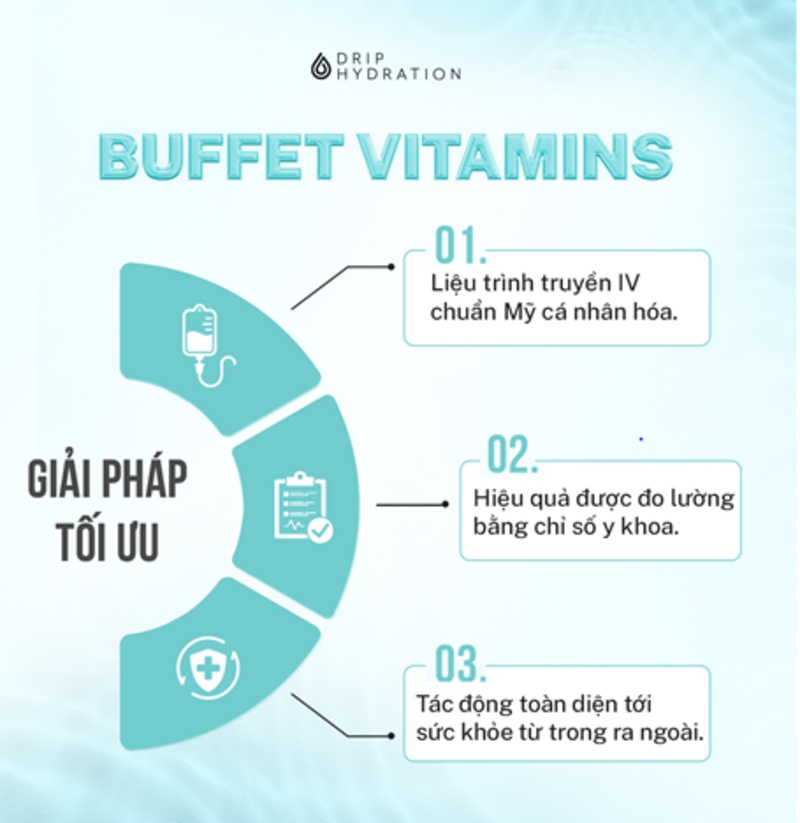
The Energy Boost therapy at Drip Hydration is designed with US-standard medical technology, utilizing personalized protocols from experts to replenish the body with energy from deep within the cells.
Through an intravenous line, essential micronutrient complexes such as vitamin B complex, vitamin B6, and vitamin C go directly into the circulatory system with a significantly higher absorption rate compared to traditional eating and drinking.
Vitamin B complex and B6 help reactivate the energy metabolism system, soothing the nervous system and restoring vitality quickly. Meanwhile, high-dose vitamin C acts to clear fatigue-inducing free radicals, boosting resistance and detoxifying the body from deep within.
Therefore, if you are looking for a scientific solution to banish fatigue, experience the metabolic improvement and energy recovery package (Energy Boost) at Drip Hydration today. Contact the hotline at 090.1885.088 to get advice from experts on the most suitable protocol for you.

The phenomenon of unexplained fatigue will no longer be a major concern if you proactively listen to your body and intervene in a timely manner. Adopt a more scientific lifestyle today. If the condition persists, do not hesitate to visit a doctor to find the most optimal proactive healthcare solution for yourself!
References:
- ”Vitamin B12 in the treatment of chronic fatigue syndrome” – PLoS ONE
- “Sleep Deprivation Amplifies Reactivity of Human Amygdala and Disrupts Connectivity with the Prefrontal Cortex” – Current Biology
Bài viết của: Biên tập viên Drip Hydration