Vitamin D supplementation for undernourished individuals helps improve the body’s ability to absorb calcium and phosphorus, supports underlying muscle function, and accelerates physical recovery. To achieve maximum clinical efficacy and total safety, supplementation must be carefully carried out through a combination of tailored dietary adjustments, proper sunlight exposure, and appropriate medical interventions.
Common warning signs of malnutrition in adults
Many people mistakenly believe that malnutrition only occurs in individuals who appear visibly emaciated or severely underweight. In reality, this condition is diagnosed not merely by looking at body weight, but by evaluating whether the body is supplied with or capable of absorbing adequate energy, protein, and essential micronutrients. Consequently, individuals with a completely normal body weight can still suffer from chronic, underlying nutritional deficiencies.
Some common signs of malnutrition in adults include:
- Unintentional weight loss: A steady decline in body mass without dieting or making lifestyle changes.
- Loss of muscle mass and physical strength: Feeling visibly weaker, walking at a slower pace, losing balance easily, or struggling with basic activities of daily living.
- Persistent exhaustion: Consistently feeling drained of energy, sluggish, and noting a sharp decline in concentration and productivity.
- Frequent infections or delayed recovery: A compromised immune system that leaves the body vulnerable to illnesses and extends the timeline needed to rebound post-sickness.
- Slow wound healing: Impaired tissue repair due to an inadequate supply of essential proteins, vitamins, and minerals.
- Weakened skin, hair, and nails: Development of chronic dry skin, thinning or brittle hair, and fragile nails that grow slowly.
- Increased risk of osteoporosis and falls: Severe depletion of protein, vitamin D, calcium, and related trace minerals, which degrades bone mineral density and compromises motor mobility.

Malnutrition is particularly prevalent among the elderly, individuals battling chronic illnesses, post-operative patients, people undergoing long-term medical treatments, or anyone experiencing severe digestive or swallowing difficulties. Recognizing these early signs allows for timely medical intervention, effectively preventing a further decline in overall health and daily quality of life.
How a vitamin D deficiency worsens adult malnutrition
While a lack of vitamin D does not directly cause malnutrition, it severely exacerbates existing nutritional issues and physical decline. This impact is especially profound in older adults, individuals with chronic health conditions, or those whose daily routines offer little to no direct exposure to natural sunlight.
A vitamin D deficiency is far from a problem exclusive to the elderly; it is incredibly widespread among modern working adults. In a comprehensive systematic review titled “Prevalence of Vitamin D Deficiency in Indoor Workers: A Systematic Review” (2017) by Sowah et al., which analyzed data from 71 international studies, approximately 77.2% of indoor workers were found to be vitamin D deficient, while 90.8% presented with suboptimal levels. The review highlighted that office employees and individuals working in enclosed environments faced a significantly higher risk of deficiency compared to outdoor laborers.
Vitamin D is involved in numerous critical physiological processes ranging from nutrient absorption to the maintenance of musculoskeletal health, muscle strength, and structural mobility. When a deficiency is left unaddressed over time, it triggers a chain of health issues that elevate the risk of malnutrition or make existing malnutrition far worse.
Impairing calcium and phosphorus absorption
Vitamin D is the indispensable gatekeeper required for the active transport of dietary calcium and phosphorus from the gastrointestinal tract into the bloodstream. When systemic malnutrition leads to a severe vitamin D deficiency, no matter how many mineral-rich foods or supplements you consume, your body cannot utilize them to properly mineralize bone tissue.
According to a clinical study by Heaney et al. (2003) published in the Journal of the American College of Nutrition, intestinal calcium absorption is highly dependent on an individual’s vitamin D status. The data demonstrated that when serum 25-hydroxyvitamin D levels dropped to an average of 50 nmol/L, intestinal calcium absorption was significantly impaired compared to levels around 86 nmol/L, resulting in a stark difference of up to approximately 65% in absorption efficiency.
Furthermore, as reviewed by Khazai et al. (2008), vitamin D regulates phosphorus transport across the small intestine. In the absence of adequate vitamin D, phosphorus absorption drops drastically due to the down-regulation of vitamin D-dependent active transport mechanisms, leading to a mineral imbalance in the bloodstream. This deficit triggers an immediate rise in parathyroid hormone (PTH) to maintain circulating calcium and phosphorus levels; however, elevated PTH simultaneously accelerates renal phosphorus excretion, worsening the systemic deficiency.
Over the long term, this decline in phosphorus absorption combined with a lack of calcium cripples bone mineralization, substantially increasing the risk of osteomalacia (bone softening) in adults
Degrading muscle function and motor mobility
Vitamin D exerts direct cellular control via vitamin D receptors (VDR) located on skeletal muscle cells, particularly targeting type II fast-twitch muscle fibers. These specific fibers are responsible for generating explosive physical strength and rapid motor movement.
According to a scientific review by Girgis et al. (2013) published in Clinical Reviews in Bone and Mineral Metabolism, a deficiency in vitamin D impairs muscle contractile function, reduces lower-limb strength, and visibly impacts general mobility.
Observational research conducted by Bischoff-Ferrari HA et al. (2004 – 2010) focusing on older populations established that low serum 25(OH)D levels (less than 25 – 30 nmol/L) are directly linked to a profound loss of muscle strength and a 20% to 30% increase in the risk of accidental falls compared to peers with sufficient vitamin D baselines. Conversely, randomized clinical trials demonstrate that targeted vitamin D supplementation in deficient individuals measurably enhances lower-limb strength and functional performance, yielding improved scores in sit-to-stand speed and walking velocity tests.
Left uncorrected, chronic vitamin D depletion impairs muscle protein synthesis, accelerates muscle protein degradation, and contributes to progressive muscle wasting. This leaves undernourished individuals feeling easily fatigued, functionally restricted, and metabolically compromised.
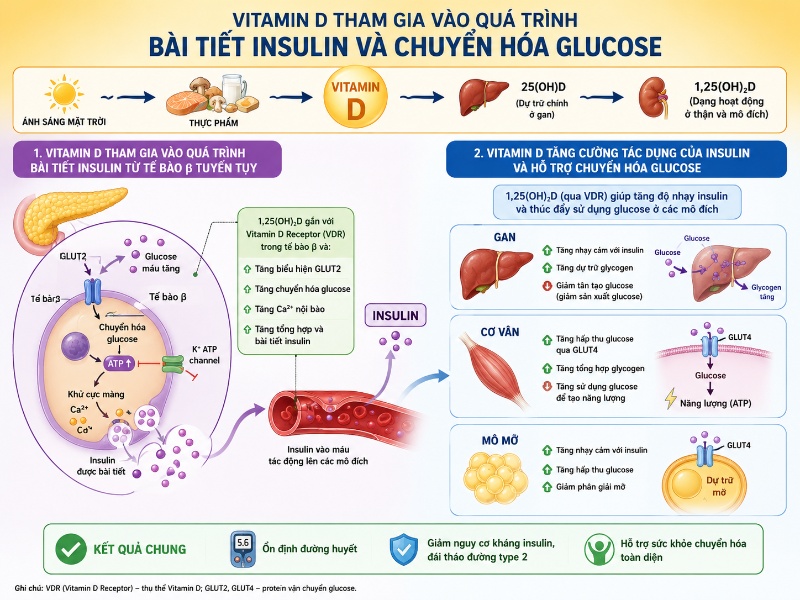
Disrupting endocrine function and glucose metabolism
Vitamin D is actively involved in the biological regulation of insulin secretion and cellular glucose metabolism. A severe deficiency alters these metabolic pathways, making it highly difficult for an undernourished body to rebuild damaged tissues or gain healthy weight.
According to a comprehensive review by Pittas et al. (2010), low circulating levels of vitamin D are strongly correlated with elevated insulin resistance and impaired glucose tolerance. Observational data indicate that individuals with a vitamin D deficiency face a 30% to 40% higher risk of developing glucose intolerance compared to those with sufficient levels.
Physiologically, when glucose metabolism is compromised, the body’s cellular energy utilization becomes highly inefficient. This metabolic bottleneck slows down tissue repair, limits the capacity to gain lean mass, and prolongs the state of physical exhaustion in undernourished individuals.
Recommended dietary allowance (RDA) for vitamin D across age groups
Because vitamin D is a fat-soluble nutrient, it is stored long-term within liver and adipose tissues rather than being easily excreted via the urine like water-soluble vitamins. Consequently, chronic over-supplementation can lead to vitamin D toxicity, resulting in adverse medical complications such as severe kidney damage, hypercalcemia, arterial hypertension, cardiac arrhythmias, respiratory distress, and muscle convulsions.
To optimize health outcomes and eliminate the risk of toxicity, vitamin D intake should strictly align with established Recommended Dietary Allowances (RDAs):
| Demographic group | Recommended Daily Allowance (RDA) | Tolerable Upper Intake Level (UL) |
| Infants (0 – 12 months) | 400 IU | 1,000 – 1,500 IU |
| Children & Adolescents (1 – 18 years) | 600 – 800 IU | 2,500 – 4,000 IU |
| Adults (19 – 70 years) | 600 – 800 IU | 4,000 IU |
| Seniors (over 70 years) | 800 – 1,000 IU | 4,000 IU |
| Pregnant & Lactating Women | 600 – 800 IU | 4,000 IU |
For individuals suffering from severe, clinically documented malnutrition, specialized physicians may temporarily prescribe therapeutic loading doses that exceed these standard recommendations for a brief, strictly monitored period.
Effective strategies for vitamin D supplementation for undernourished individuals
To successfully reverse nutritional decline, vitamin D restoration should be approached through a multi-channel plan:
Safe and structured sunlight exposure
Direct exposure to solar ultraviolet B (UVB) radiation is the most abundant natural source of vitamin D, accounting for 80% to 90% of the body’s internal synthesis.
- Timing: Spending time outdoors before 9:00 AM or after 4:00 PM is generally advised based on local UV index levels. While modern dermatological data show that midday sunlight contains the highest density of UVB rays required to spark vitamin D synthesis, these sessions must be strictly limited to brief windows (5 to 10 minutes) to safeguard against skin malignancies.
- Exposed skin surface: Arms and legs should receive direct exposure without the interference of window glass or thick layers of high-SPF sunscreen, both of which completely block UVB penetration.

Incorporating vitamin D-rich dietary choices
undernourished individuals should structure their daily meals around nutrient-dense whole foods:
- Fatty fish: Fresh salmon, mackerel, tuna, and herring.
- Egg yolks: Contain smaller, easily absorbable quantities of natural vitamin D3.
- UV-irradiated mushrooms: Particularly mushrooms grown under specialized ultraviolet light.
- Fortified products: Organic whole milk, breakfast cereals, and fresh orange juices fortified with vitamin D.
Utilizing targeted oral nutraceuticals
Because individuals battling malnutrition frequently present with compromised gastrointestinal absorption, using concentrated oral supplements is highly necessary:
- Liquid D3 drops: Ideally suited for pediatric care or patients with swallowing difficulties, allowing for highly accurate micro-dosing.
- Capsules and tablets: Highly practical when managing vitamin D supplementation for adults.
- Periodic high-dose protocols: In cases of profound deficiency, a physician may prescribe a high-dose therapeutic regimen (such as 50,000 IU orally once per week) for a duration of 8 weeks to rapidly elevate serum levels back into a safe, optimal range.
Intravenous (IV) micronutrient therapy
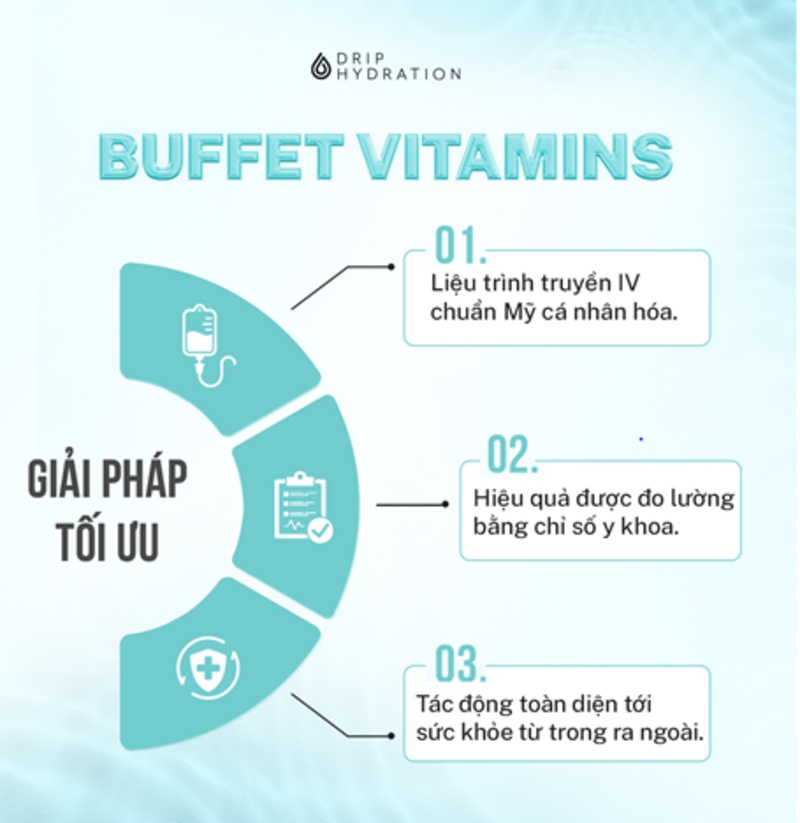
When utilizing IV therapy, Vitamin D supplementation for undernourished individuals is highly effective because it delivers critical micronutrients directly into the circulatory system, completely bypassing the gastrointestinal tract. This mechanism ensures maximum bioavailability, yielding rapid cellular absorption and more consistent therapeutic outcomes compared to standard oral supplementation.
Drip Hydration’s Multivitamin Add-On infusion is clinically formulated to deliver a high-potency spectrum of essential vitamins, including Vitamins A, C, E, B1 (Thiamine), B2 (Riboflavin), B6 (Pyridoxine), B12 (Cobalamin), and core trace minerals. This comprehensive blend is engineered to optimize overall metabolic function, reinforce immunoprotective pathways, and reverse subclinical nutritional deficiencies.
This clinical intervention is indicated for individuals experiencing:
- Nutritional and lifestyle-Induced deficiencies: Individuals adhering to highly restrictive diets, managing chronic nutrient malabsorption, or facing diagnostic undernutrition, as well as those with demanding lifestyles that compromise balanced dietary intake.
- Stress and pathology-Induced asthenia: Individuals presenting with chronic fatigue, sleep deprivation, or high allostatic load (prolonged occupational stress), as well as patients in post-operative recovery, post-acute illness rehabilitation, or following extended medical treatments.
- Gastrointestinal tolerance limitations: Patients diagnosed with functional enteropathies or underlying bowel disorders that impede nutrient transit, as well as individuals unable to tolerate or absorb oral vitamin therapies.
- Personalized medical intervention: Individuals with documented paraclinical evidence (laboratory assays or clinical evaluations) of micronutrient depletion, or those undergoing active, doctor-supervised wellness protocols for proactive physiological optimization.

To guarantee maximum clinical efficacy and absolute hemodynamic safety, every client at Drip Hydration receives a direct clinical evaluation by a licensed physician. Based on individual metabolic baselines and specific health profiles, a personalized intravenous formula of vitamins and micro-nutrients is meticulously designed to meet the exact physiological demands of the patient.
Drip Hydration is a premier medical clinic specializing in American-standard IV therapies, backed by a highly qualified and clinically experienced medical team. Our proprietary intravenous formulations are globally trusted by a discerning clientele to accelerate systemic recovery and drive proactive, long-term health optimization.
To schedule a medical consultation and design an optimized protocol for vitamin D supplementation for undernourished individuals tailored to your health needs, contact the Drip Hydration team today at +84 90 1885 088 or book your clinic appointment online here
>> Read more: IV Therapy là gì? Nó giúp cải thiện sức khoẻ như thế nào?
Reference:
- https://pmc.ncbi.nlm.nih.gov/articles/PMC2669834/
- https://www.tandfonline.com/doi/abs/10.1080/07315724.2003.10719287
- https://pubmed.ncbi.nlm.nih.gov/23169676/
- https://pmc.ncbi.nlm.nih.gov/articles/PMC3513873/
- https://pmc.ncbi.nlm.nih.gov/articles/PMC5003588/
- https://pubmed.ncbi.nlm.nih.gov/28637448/
Bài viết của: Biên tập viên Drip Hydration