Prolonged fatigue, mental sluggishness, and poor focus are frequently caused by internal bottlenecks in cellular energy conversion pathways. This biological reality explains why a vitamin B complex restores cellular energy effectively from within, helping the human body generate sustainable fuel at the cellular level. What exactly is the biological role of B vitamins, and why is this micronutrient group so crucial to human health? Let us explore the medical details in the comprehensive article below.
What is a vitamin B complex?
A vitamin B complex is not a single standalone nutrient; rather, it represents a structured family of eight water-soluble vitamins that work in unison across countless vital physiological processes. When discussing how a Vitamin B complex restores cellular energy, medical science focuses on its capacity to act as an essential catalyst for converting macronutrients – namely carbohydrates, proteins, and lipids from dietary intake – into usable adenosine triphosphate (ATP) fuel for biological activities.
Unlike central nervous system stimulants that briefly mask fatigue by forcing temporary alertness, a complex b vitamin operates as a collection of mandatory coenzymes within the body. These molecules serve as essential chemical keys that enable specific metabolic enzymes to perform energy transformation processes efficiently. Understanding how a Vitamin B complex restores cellular energy highlights why if this complex group becomes depleted, systemic energy production pathways stall, leaving the body in a state of exhaustion even if daily caloric intake is completely adequate.
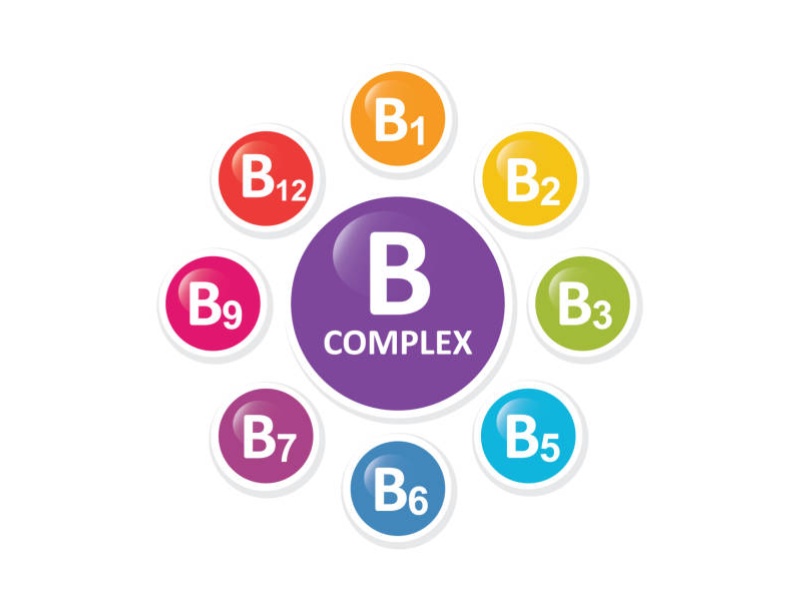
The biological profile of each compound within a complex B vitamin
Fully understanding the health benefits of B vitamins, it is helpful to look at how a Vitamin B complex restores cellular energy through the individual actions of each standalone nutrient within a comprehensive B-complex blend:
- Vitamin B1 (Thiamine): Drives the conversion of carbohydrates into glucose fuel, supports peripheral nerve transmission, and mitigates early fatigue.
- Vitamin B2 (Riboflavin): Fuels mitochondrial respiration, metabolizes macro-nutrients, and provides cellular antioxidant defense.
- Vitamin B3 (Niacin): Serves as the primary precursor for NAD/NADP synthesis, drives cellular energy manufacturing, and optimizes micro-vascular circulation.
- Vitamin B5 (Pantothenic Acid): Functions as a critical building block for Coenzyme A synthesis, participates in the Krebs cycle, and supports adrenal health during stress.
- Vitamin B6 (Pyridoxine): Facilitates amino acid metabolism, drives neurotransmitter synthesis, and assists in mood regulation.
- Vitamin B7 (Biotin): Activates carboxylase enzymes, processes macronutrients into systemic energy, and preserves the structure of skin, hair, and nails.
- Vitamin B9 (Folate): Coordinates nucleic acid production, supports red blood cell formation, and facilitates systematic oxygen transport.
- Vitamin B12 (Cobalamin): Directs erythrocyte maturation, maintains myelin sheath structural integrity, and elevates baseline physical stamina.
Do you know how a vitamin B complex restores cellular energy?
A vitamin B complex giúp phục hồi năng lượng by integrating directly into the primary chemical reactions responsible for extracting energy from food. The specific biological mechanisms include:
Driving the ATP energy transformation cycle
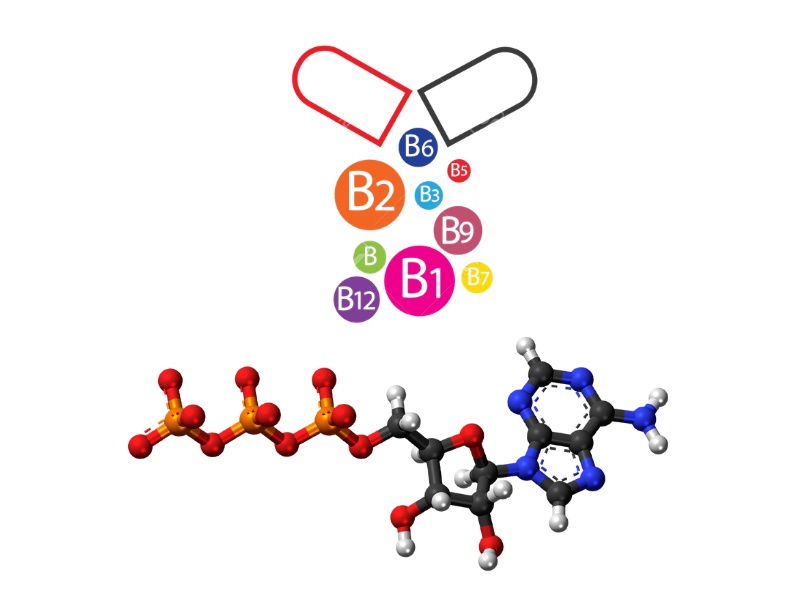
At the cellular level, a complex b vitamin acts as a critical cofactor across three main stages of ATP generation: glycolysis, the Krebs cycle, and the mitochondrial electron transport chain (ETC).
- In glycolysis: Vitamin B1 (under its active form, thiamine pyrophosphate) serves as a mandatory coenzyme for the pyruvate dehydrogenase complex, enabling the conversion of glucose-derived pyruvate so it can move successfully into the mitochondria.
- In the Krebs cycle: Vitamin B5 directs the formation of Coenzyme A, playing a central role in generating acetyl-CoA and sustaining the cellular energy stream.
- In cellular respiration: Vitamins B2 and B3 are required to synthesize flavin adenine dinucleotide (FAD) and nicotinamide adenine dinucleotide (NAD), two pivotal electron-carrying molecules that drive the mitochondrial respiratory chain to produce large amounts of ATP.
Under optimal aerobic conditions, the metabolism of a single glucose molecule yields approximately 30 to 32 molecules of ATP, as described in the foundational textbook Lehninger Principles of Biochemistry. However, if the system lacks a sufficient pool of B vitamins, this metabolic efficiency drops due to enzymatic interruptions. This explains why many individuals experience heavy physical exhaustion despite consuming an adequate amount of food; the biological problem is not an absence of ingested calories, but a breakdown in cellular energy conversion.
Supporting the nervous system to eliminate cognitive burnout
A vitamin B complex alleviates mental exhaustion by supporting neuronal energy processing, neurotransmitter production, and structural nerve maintenance. These interconnected biological pathways are essential for sustaining mental clarity and emotional stability.
Vitamin B6 is directly involved in synthesizing vital neurotransmitters, including serotonin, dopamine, and gamma-aminobutyric acid (GABA). Each compound handles distinct regulatory functions:
- Serotonin stabilizes mood baseline,
- Dopamine drives focus and motivation,
- And GABA acts as an inhibitory signal to prevent neural over-excitation, lowering stress.
When B6 is deficient, imbalances in these neurotransmitters can manifest as mental fatigue and poor concentration.
Vitamin B12 handles a key structural role within the central nervous system by preserving the myelin sheath. Myelin functions as an insulating layer that accelerates the transmission of electrical nerve impulses. A lack of B12 can slow down these nerve signals, resulting in brain fog, reduced cognitive sharpness, and elevated mental fatigue.
Furthermore, B12 regulates homocysteine metabolism; epidemiologic data have linked the accumulation of this amino acid metabolite to neurovascular oxidative stress.
Elevating physical performance and cognitive output
Physical performance and cognitive output rely heavily on the body’s ability to maintain and regenerate ATP, the primary energy currency of cells. A vitamin B complex stands at the center of this process, managing everything from initial nutrient breakdown to ATP synthesis inside the mitochondria.
At the muscular level, ATP supplies the direct energy required for muscle contractions. Vitamins B1, B2, B3, and B5 manage key metabolic steps within glycolysis, the Krebs cycle, and the electron transport chain. When these micronutrients are present in optimal concentrations, the rate of ATP re-synthesis remains stable, allowing the body to sustain physical activity and delay muscle fatigue. Conversely, a deficiency can lower metabolic efficiency, leading to early muscle fatigue during physical exertion.
At the organ level, the brain consumes roughly 20% of the body’s total energy budget. Because of this high metabolic demand, maintaining stable energy pathways is essential for cognitive performance and long-term brain health. A vitamin B complex ensures a steady supply of glucose and oxygen to neurons, supporting continuous bioelectrical signaling. When these pathways are fully optimized, an individual’s focus, information processing speed, and mental alertness are enhanced.

Who can benefit from vitamin B complex supplementation?
Ensuring an adequate intake of a complex b vitamin is highly recommended for individuals matching the following clinical profiles:
- Individuals suffering from long-term exhaustion, chronic body weakness, or a post-stress drop in physical energy.
- Patients requiring physiological support to rebuild physical strength following acute infections, major illnesses, or surgical procedures.
- High-demand professionals, individuals managing prolonged cognitive workloads, or competitive athletes looking to accelerate post-training recovery.
- Strict vegans or vegetarians who are vulnerable to a vitamin B12 deficiency, as cobalamin is primarily concentrated within animal-sourced whole foods.
Why oral vitamin B complex supplements can fall short
While oral B-complex pills are a widely accessible preventative tool, they carry distinct physiological limitations that can affect their therapeutic outcomes:
- Gastrointestinal malabsorption: Individuals dealing with underlying gastric inflammation, colitis, or chronic alcohol consumption often experience low intestinal absorption rates for B vitamins, particularly vitamin B12.
- Restricted absorption thresholds: Certain B vitamins utilize saturable transport mechanisms in the gut; when high oral doses are consumed, excess amounts are excreted in the urine without immediately elevating plasma concentrations.
- Delayed onset of action: Standard oral supplements require consistent daily intake over several weeks to produce noticeable improvements in systematic energy levels.
- Inability to achieve rapid therapeutic levels: In scenarios demanding rapid energy restoration (such as post-operative recovery, rebuilding physical strength after severe infections, or managing acute occupational burnout) oral delivery may not work fast enough to deliver needed micronutrient levels to body tissues.

Oral B-complex options face physiological limitations due to digestive absorption caps (Source: Internet)
Comprehensive energy boost IV drip therapy featuring a vitamin B complex
The Energy Boost IV Drip therapy at Drip Hydration is an advanced intravenous protocol designed to help the body overcome chronic fatigue, low vitality, and burnout caused by long-term stress, overwork, or nutritional gaps.
This medical therapy delivers essential micronutrients directly into the bloodstream, supporting systemic metabolic pathways and reducing the fatigue that can disrupt daily life. By bypassing digestive barriers, intravenous administration ensures rapid cellular availability, making it an efficient option for individuals with compromised digestive absorption or those needing physical revitalization within a compressed timeframe.
The foundational formulation of this IV drip protocol features:
- Vitamin B complex: Restores the core metabolic pathways that convert carbohydrates, proteins, and lipids into cellular energy.
- Vitamin B6: Facilitates protein metabolism and supports healthy central nervous system operations.
- Vitamin C: Provides potent antioxidant protection and reinforces baseline immune defenses.
The synergy of these active micronutrients supports full-body energy transformation while helping the body adapt during periods of prolonged physical or mental stress.

A Vitamin B complex restores cellular energy directly by driving the biochemical conversion of carbohydrates, proteins, and fats into usable cellular fuel, providing a foundational approach to managing fatigue and supporting physical vitality. When implemented correctly, this group of vitamins helps sustain mental clarity, balance energy baselines, and enhance daily performance.
If you are dealing with persistent exhaustion, body weakness, or low energy levels, contact the medical team at Drip Hydration today via our professional hotline at 090.1885.088 to schedule a clinical consultation and design a safe, effective recovery path.
References;
Bài viết của: Biên tập viên Drip Hydration