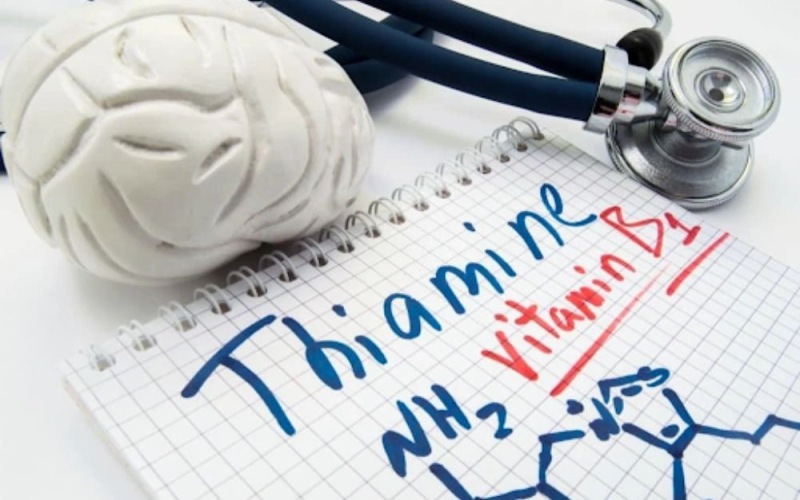
Thiamine (vitamin B1) is an essential water-soluble micronutrient critical for cellular energy production and optimal neurological function. Despite its importance, certain dietary patterns and lifestyle factors can lead to suboptimal levels. A deficiency in this vitamin can result in prolonged fatigue and metabolic dysfunction, often presenting with subtle symptoms that make the underlying cause difficult to recognize.
What is thiamine (vitamin B1) and what are its health benefits?
Thiamine (vitamin B1) is a water-soluble vitamin within the B-complex family, playing a crucial role in glucose metabolism and cellular energy production. Because the body does not store it in significant amounts, thiamine (vitamin B1) requires continuous replenishment through diet or targeted supplementation.
At the cellular level, the active form of this vitamin is thiamine pyrophosphate (TPP). TPP functions as an essential coenzyme in the Krebs cycle, facilitating ATP (adenosine triphosphate) synthesis, maintaining neurotransmission, and supporting cardiovascular health. Specifically, it offers the following benefits:
A fundamental catalyst for energy metabolism
A primary physiological role of thiamine (vitamin B1) is facilitating the conversion of carbohydrates into functional cellular energy. When deficient, this metabolic pathway is compromised, often resulting in profound fatigue and lethargy despite adequate caloric intake. It acts as a cofactor for key enzymes required to break down macronutrients and nourish tissues.
Protecting the nervous system and brain
Thiamine (vitamin B1) is often referred to as the ‘morale vitamin’ due to its contributions to the nervous system:
- Myelin sheath synthesis: Contributes to the maintenance of the myelin sheath, which protects nerve fibers and ensures proper signal transduction.
- Prevention of Wernicke-Korsakoff syndrome: A severe neurological complication associated with profound thiamine (vitamin B1) deficiency, frequently observed in cases of chronic alcohol use disorder or severe malnutrition.
- Cognitive support: Facilitates the conduction of nerve impulses, thereby supporting cognitive function, focus, and memory retention.
Promoting cardiovascular function
The myocardium (heart muscle) relies on a continuous supply of ATP. A severe deficiency can lead to tachycardia (rapid heart rate), edema (fluid retention), and potentially progress to high-output heart failure, clinically known as wet beriberi. Furthermore, thiamine (vitamin B1) is involved in the synthesis of acetylcholine, a neurotransmitter critical for cardiac muscle regulation and autonomic function.
Aiding gastrointestinal and ocular health
- Gastrointestinal function: It supports the secretion of gastric acid (HCl), which is necessary for optimal digestion and nutrient absorption.
- Ocular health: Observational studies suggest that adequate thiamine (vitamin B1) intake, often in conjunction with other antioxidants, may be associated with a reduced risk of developing cataracts.
Signs of thiamine (vitamin B1) deficiency
A deficiency of thiamine (vitamin B1) often progresses silently and is easily confused with the common fatigue of modern life. The manifestations can be divided into two main stages.
In the early stage, individuals lacking this vitamin often experience:
- Prolonged fatigue despite getting adequate sleep
- Poor attention and memory, with a noticeable decline in work productivity
- Mood swings and increased neurological irritability
- Decreased appetite accompanied by gastrointestinal discomfort
- A sensation of numbness in the fingertips or toes
When the deficiency is prolonged and becomes more severe, neurological and cardiovascular manifestations can become more pronounced, including:
- Peripheral polyneuropathy
- Diminished muscle strength accompanied by limited mobility
- Cardiac arrhythmias
- Development of beriberi syndrome
- Wernicke-Korsakoff encephalopathy, particularly common in chronic alcoholics
Chronic thiamine (vitamin B1) deficiency is typically recognized early through central and peripheral nervous system disorders, whereas cardiovascular manifestations appear later. This indicates that the nervous system is more sensitive to a lack of thiamine (vitamin B1) than other organs in the initial stages.

How to properly supplement thiamine (vitamin B1)
To effectively supplement thiamine (vitamin B1), intake should be tailored to the body’s physiological requirements, dietary absorption capacity, and the individual health status of each patient.
Recommended thiamine (vitamin B1) requirements
The recommended dietary allowance (RDA) for thiamine (vitamin B1) in adults ranges from 1.1 to 1.2 mg per day. For pregnant and lactating women, this requirement increases to approximately 1.4 mg per day to meet the metabolic demands of fetal development and maternal health.
In clinical reality, thiamine (vitamin B1) requirements can be significantly higher in individuals experiencing prolonged physiological stress, intense physical exertion, or chronic alcohol consumption. These populations deplete their vitamin stores at an accelerated rate compared to the general public.
Optimizing thiamine (vitamin B1) through daily foods
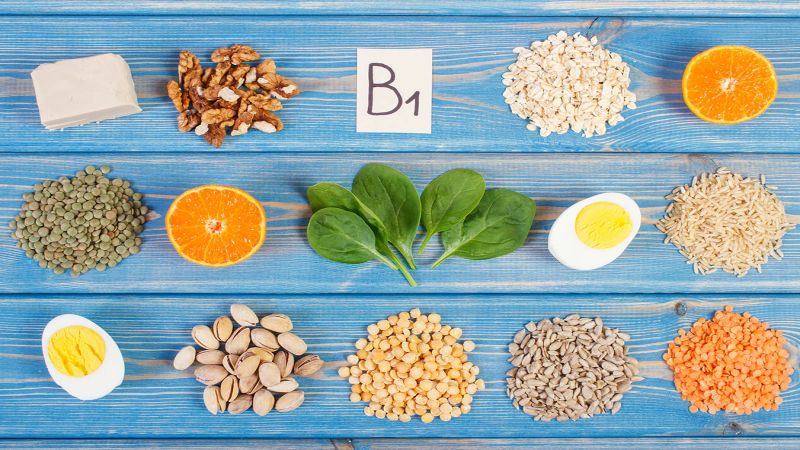
Thiamine (vitamin B1) is readily available in many everyday foods such as whole grains, legumes, and lean meats. However, its concentration is easily degraded during food processing and preparation. Specifically:
- It is highly heat-sensitive and easily depleted during prolonged cooking.
- Thiamine (vitamin B1) is concentrated primarily in the bran layer and germ of cereal grains. Milling and refining processes remove these nutrient-dense parts, causing a marked reduction in overall vitamin content.
Consequently, diets heavily reliant on refined carbohydrates increase the risk of deficiency if not adequately balanced.
Medically supported thiamine (vitamin B1) supplementation
In clinical practice, there are many scenarios where it is difficult to meet adequate requirements for thiamine (vitamin B1) solely through diet – especially in patients experiencing severe debilitation, prolonged stress, or malabsorption disorders. In these cases, targeted supplementation under medical supervision is often indicated.
At modern medical facilities, targeted intravenous (IV) therapies, such as the Vitamin B1 Injection package offered at the Drip Hydration clinic, are designed to deliver neuro-supportive thiamine in a highly bioavailable form. This intervention supports energy metabolism and neurological function for individuals experiencing chronic fatigue or facing high physiological demands.
Orally ingested vitamin B1 is absorbed primarily in the small intestine via active transport mechanisms. In conditions involving gastrointestinal disorders, malabsorption syndrome, or acutely increased metabolic demand, dietary absorption may be inadequate. In such instances, parenteral (non-gastrointestinal) supplementation routes bypass the digestive tract, allowing thiamine (vitamin B1) to enter the systemic circulation directly for rapid and reliable repletion.
Side effects and precautions for thiamine (vitamin B1) supplementation
As a water-soluble vitamin, thiamine (vitamin B1) possesses a high safety profile, as excess amounts are readily excreted in the urine. When taken at recommended doses, it rarely causes significant adverse effects and is considered highly safe for daily consumption.
However, prolonged use of high-dose thiamine (vitamin B1) may occasionally elicit mild adverse reactions, including:
- Mild nausea or gastrointestinal distress
- Transient headaches
- Feelings of restlessness or mild agitation
These symptoms are generally self-limiting and tend to resolve promptly upon dose adjustment or discontinuation.
Self-administering high-dose supplements over extended periods without medical supervision is not clinically advised. Supraphysiologic doses may potentially mask underlying deficiencies of other B-complex vitamins or contribute to metabolic imbalances.

Ultimately, thiamine (vitamin B1) plays an essential role in maintaining efficient metabolic pathways and stabilizing central nervous system function. Ensuring adequate intake, tailored to individual physiological needs, helps prevent micronutrient deficiencies, preserves overall physical well-being, and supports sustained endurance in daily life.
References
- https://pubmed.ncbi.nlm.nih.gov/25542071/
- https://pubmed.ncbi.nlm.nih.gov/25542071/
- https://pubmed.ncbi.nlm.nih.gov/17434099/
- https://pubmed.ncbi.nlm.nih.gov/20565994/
- https://pubmed.ncbi.nlm.nih.gov/24460461/
Bài viết của: Biên tập viên Drip Hydration