Alongside rest and dietary adjustments, utilizing multivitamins for fatigue effectively supplies essential micronutrients to accelerate energy metabolism and elevate physical vitality. But is integrating a daily formula genuinely capable of reversing chronic depletions? This evidence-based analysis delivers a detailed biological breakdown .
Why does an exhausted body require target multivitamin support?
The human body operates based on continuous, tightly regulated biochemical cascades. Transforming dietary intake into active cellular energy – specifically in the form of adenosine triphosphate (ATP) – requires a constant, highly dependent network of distinct vitamins and minerals.
When you navigate extended phases of psychological stress, professional overexertion, or recover from acute clinical illnesses, your systemic demands for these micro-nutritional cofactors skyrocket. If your daily meal plans fail to fulfill these elevated requirements, cellular respiration flags, trapping the body in a state of persistent lethargy, low stamina, and chronic exhaustion.
Formulating specialized multivitamins for fatigue supplies a concentrated matrix of critical micronutrients at biologically measured, therapeutic dosages. This targeted approach actively facilitates:
- Re-establishing micro-nutritional homeostasis across circulating blood plasma and intracellular environments.
- Supporting the metabolic enzymes tasked with harvesting clean energy from dietary carbohydrates, lipids, and amino acids.
- Mitigating cellular damage induced by free radicals that accumulate during unmitigated oxidative stress across neurological pathways and skeletal muscle tissues.

Core ingredients inside multivitamin formulas that eliminate physical exhaustion
An effective multivitamin protocol designed to address systemic depletion must target the biological root of cellular weakness. When your cells lack fuel, chronic fatigue sets in and becomes increasingly difficult to reverse. Key ingredients include:
B-complex vitamin cluster (Vitamins B1, B2, B6, and B12)
- Vitamin B1 (Thiamine): Drives glucose oxidation and maintains central nervous system stability. An acute deficit triggers muscle weakness, neuro-metabolic disturbances, and plummeted physical endurance.
- Vitamin B2 (Riboflavin): A vital mitochondrial cofactor for the electron transport chain, accelerating ATP synthesis while protecting mucosal lining integrity.
- Vitamin B6 (Pyridoxine): Regulates amino acid transamination and drives neurotransmitter synthesis (serotonin/dopamine), directly balancing sleep architecture and emotional baselines.
- Vitamin B12 (Cobalamin): Essential for hematopoiesis and nerve myelination. A shortage causes macrocytic anemia, manifesting as profound physical fatigue, limb paresthesia (numbness), and cognitive decline, particularly impacting strict vegans or individuals with gastrointestinal transport failures.
B-complex vitamins are structurally aggregated within multivitamins for fatigue because they function as an interdependent metabolic gear system. Working in synergy, they amplify each other’s biochemical kinetics, empowering the body to manufacture and expend energy with peak physiological efficiency.
A rigorous randomized, double-blind clinical trial published in the International Journal of Medical Sciences (2023) evaluated the therapeutic impact of continuous supplementation with vitamins B1, B2, B6, and B12 over a 28-day course on healthy adults. The documented data revealed:
- The cohort receiving the structured B-complex matrix exhibited a significant 1.26-fold increase in physical exercise time to exhaustion compared to baseline metrics and the placebo group (p < 0.05).
- Concurrently, circulating blood plasma markers for fatigue – specifically systemic lactate and ammonia accumulations – dropped noticeably.
- This clinical evidence demonstrates that targeted B-vitamin loading directly optimizes energy pathways, downregulates metabolic fatigue parameters, and enhances overall physical functionality.
Vitamins C and E
Chronic physical exhaustion is strongly linked to an elevation in circulating reactive oxygen species (ROS). To neutralize this cellular strain, high-performance multivitamins integrate potent antioxidant shields:
- Vitamin C (ascorbic acid): An absolute prerequisite for endogenous carnitine synthesis, the master transport molecule moving long-chain fatty acids into the mitochondria for beta-oxidation. Additionally, vitamin C supports the adrenal glands during prolonged high-stress workloads to modulate healthy cortisol curves.
- Vitamin E (tocopherol): Halts lipid peroxidation across cellular membranes, actively preserving the structural integrity of muscular and neurological tissues against environmental stressors.

Vitamin D3 and Calcium
Vitamin D3 and calcium form a vital nutrient duo driving musculoskeletal health and neuromuscular signaling. Maintaining optimal levels of both elements is essential to preserve mobility while preventing chronic myalgia (muscle pain), physical weakness, and lethargy.
- Vitamin D3 (Cholecalciferol): Modulates muscle contraction performance, regulates innate immune vigilance, and balances mood centers. Chronic deficiencies represent a primary standalone driver of chronic fatigue syndrome, skeletal pain, and fragmented sleep.
- Calcium: A mandatory requirement for muscle fiber contraction and orderly neurotransmitter propagation. Pairing calcium with D3 optimizes intestinal absorption and safeguards bone mineral density.
Essential trace minerals: Iron, Magnesium, and Zinc
Beyond organic vitamins, inorganic minerals are core structural pillars that must be present inside premium multivitamins for fatigue.
- Iron: Forms the structural foundation of hemoglobin within erythrocytes and myoglobin within muscle fibers to transport oxygen to peripheral tissues. Deficiencies halt cellular respiration via tissue hypoxia, inducing clinical anemia characterized by pallor, dizziness, and exertional dyspnea (shortness of breath).
- Magnesium: Acts as a mandatory cofactor for over 300 enzymatic systems and is structurally required to stabilize ATP into its biologically active Mg-ATP form. Optimizing magnesium levels calms hyperactive muscle tissue and supports deep sleep architecture.
- Zinc: Drives the structural formation of numerous functional proteins and metabolic enzymes, facilitating cellular division, DNA repair, and systemic tissue recovery post-trauma.

Clinical guidelines: Matching multivitamin formulations to your root cause of fatigue
Not all physical exhaustion stems from the same source. Identifying your primary stressor allows you to choose the correct formula and clinical dosages. Use these three evidence-based guidelines:
For corporate professionals managing high workloads, chronic stress, and brain fog
Intellectual workers operating under high-intensity workloads process vast cognitive loads, causing their central nervous systems to burn through B-complex vitamins and neuro-supportive minerals at multiple times the baseline rate. This depletion manifests as poor concentration, short-term memory fragmentation, and severe brain fog.
Target strategy: Prioritize formulas delivering concentrated B-complex (B1, B6, B12) alongside magnesium and standardized Ginkgo biloba extract to enhance cerebral microcirculation, relax overstimulated neurons, and restore cognitive acuity.
Recommended daily composition:
- Vitamin B1: 1.1 – 1.2 mg;
- Vitamin B6: 1.3 – 1.7 mg;
- Vitamin B12: 2.4 mcg;
- Magnesium: 310 – 420 mg; Standardized
- Ginkgo biloba extract: 120 – 240 mg.
For individuals navigating convalescence following recent acute illnesses or surgeries
Following systemic infections, tissue trauma, or surgical interventions, the body shifts into a hyper-metabolic state to repair structural tissues and rebuild blood cell supplies. An unmanaged iron deficit at this stage stalls recovery by limiting hemoglobin creation. Vitamin C is required to enhance iron uptake across the gut wall while stimulating immune cells, and zinc drives rapid wound closure.
Target strategy: Incorporate high-bioavailability iron paired with ascorbic acid and zinc to accelerate cellular regeneration and shorten recovery timelines.
Recommended daily composition:
- Iron: 8 – 18 mg (tailored to age and biological sex);
- Vitamin C: 100 – 500 mg;
- Zinc: 8 – 15 mg;
- High-quality protein: 1.0 – 1.2 g/kg of body weight/day.

For older adults managing age-related weakness, low appetite, and malabsorption
As human physiology ages, gastric acid and intrinsic factor secretions naturally drop, leaving seniors incapable of extracting bound vitamin B12 from whole foods. Concurrently, appetite flags, leading to progressive muscle wasting (sarcopenia) and low physical stamina.
Target strategy: Focus on crystalline vitamin B12 (which bypasses gastric acid requirements) combined with cholecalciferol (D3) to support skeletal muscle strength, alongside high-strain probiotics to optimize gut microflora health and stimulate nutrient uptake.
Recommended daily composition:
- Vitamin D3: 800 – 1,000 IU (20 – 25 mcg);
- Vitamin B12: 2.4 – 25 mcg;
- High-potency Probiotics: 1 – 10 billion CFU.
3 dangerous mistakes when taking multivitamins that can worsen fatigue
Supplementing with micronutrient formulas requires precise timing, proper dosages, and strategic combinations. Navigating these three common errors will prevent adverse interactions and prolonged exhaustion.
Improper intake timing and disrupting your sleep architecture
Water-soluble B-complex vitamins and vitamin C hold mild neuro-stimulatory properties designed to drive alertness and fuel daytime metabolic work. Ingesting these compounds late in the evening overstimulates neural pathways, fragmenting your sleep architecture and worsening exhaustion the following morning. These formulas should be taken in the morning alongside breakfast.
Furthermore, fat-soluble vitamins (A, D, E, and K) require dietary lipids to cross the intestinal wall. Swallowing a fat-soluble vitamin pill on an empty stomach blocks its absorption, rendering the supplement ineffective. Fat-soluble nutrients must be taken with a fat-containing meal to ensure bioavailability.

Megadosing fat-soluble vitamins and risking systemic organ toxicity
Unlike water-soluble nutrients that clear safely via urine when excess occurs, fat-soluble vitamins (A, D, E, K) accumulate within hepatic tissues and adipose deposits. Abusing megadosed formulas over extended timelines can cause fat-soluble vitamin toxicity.
For instance, chronic vitamin A overload damages liver cells, while a severe vitamin D excess triggers hypercalcemia, resulting in kidney stones and secondary metabolic fatigue. Similarly, unmanaged high doses of minerals like iron or zinc induce severe gastrointestinal inflammation, blocking the absorption of other trace elements and leaving you physically depleted. Always stay within verified clinical limits.
Treating multivitamins as a magical replacement for whole foods
Multivitamins are secondary tools; they can never substitute for a nutrient-dense diet rich in proteins, healthy fats, and prebiotic fiber. Swallowing pills while maintaining poor dietary habits compromises your health, as cells require the complex fiber structures and natural phytonutrients found only in whole grains, fresh vegetables, clean meats, and seafood.
Furthermore, supplementation should never be guided by guesswork. Before initiating a long-term protocol, consult a physician to isolate the root cause of your physical exhaustion. Every individual presents unique micronutrient deficits and distinct gastrointestinal absorption capacities. A physician evaluation ensures a tailored, safe, and effective approach.

Why intravenous nutrient delivery represents the modern frontier of energy recovery
In contemporary preventive medicine, intravenous micronutrient therapy (IV Therapy) is widely recognized as a premier modality to rapidly reverse systemic depletions and physical exhaustion. Unlike standard oral delivery, IV therapy infuses vital nutrients directly into the bloodstream, bypassing digestive tract boundaries and eliminating the timeline required for intestinal transport.
This immediate pathway makes intravenous delivery exceptionally ideal for high-stress professionals, individuals managing gut malabsorption, or patients recovering from acute illnesses who require rapid, direct restoration of their energy reserves.
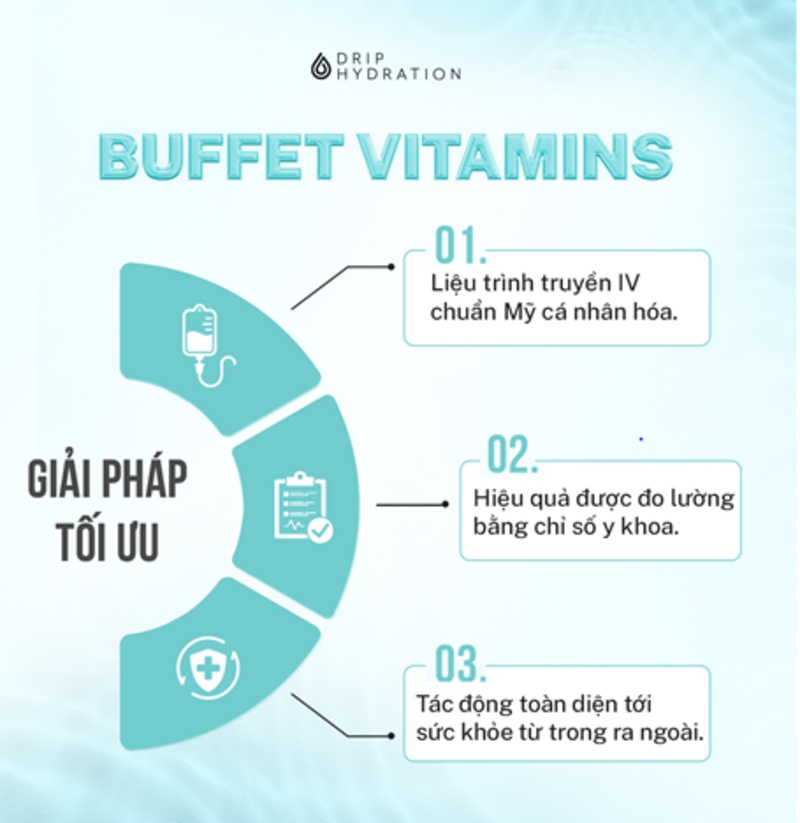
At Drip Hydration, your wellness path begins with an objective clinical screening overseen by our medical team to map out your exact physical status. Our micronutrient infusion phacotherapy is structurally personalized to match your unique health targets – whether you require a rapid energy boost, post-illness recovery support, immune fortification, or long-term metabolic health optimization.
Clinical advantages of Drip Hydration IV protocols:
- Providing absolute bioavailability, nutrients cross straight into systemic circulation and completely bypass gastrointestinal barriers – making it exceptionally effective for individuals dealing with malabsorption or acute nausea.
- Instantaneous, targeted efficacy: Volumetric micronutrient densities are dynamically adjusted to match your precise physical goals, such as restoring stamina, clearing neurotoxins, or enhancing dermal aesthetics.
- Absolute clinical safety: All therapies are administered within a certified medical environment under strict physician supervision, protecting fluid volumes and electrolyte balances.
Relying on IV protocols is indicated when the body requires urgent cellular restoration. To address persistent, long-term exhaustion, Drip Hydration provides the specialized Energy Boost infusion protocol – delivering concentrated B-complex, vitamin B6, and high-dose vitamin C directly to your cells to drive mitochondrial ATP production and erase burnout. Contact our medical team via the hotline at 090.1885.088 to schedule your comprehensive physician evaluation.

Integrating evidence-based multivitamins for fatigue is a scientifically sound method to optimize cellular respiration and improve overall performance. However, identifying which specific micronutrients your body lacks is essential, and supplements should always complement healthy lifestyle choices. Prioritizing consistent, restorative sleep, balanced whole-food nutrition, and regular low-impact exercise forms the true foundation of long-term health.
References:
- Lee MC, Hsu YJ, Shen SY, Ho CS, Huang CC. A functional evaluation of anti-fatigue and exercise performance improvement following vitamin B complex supplementation in healthy humans, a randomized double-blind trial. International Journal of Medical Sciences, 2023. https://pubmed.ncbi.nlm.nih.gov/37786445/
- Berkovitz S, Ambler G, Jenkins M, Thurgood S. Serum 25-hydroxy vitamin D levels in chronic fatigue syndrome: a retrospective survey. International Journal for Vitamin and Nutrition Research. 2009. https://ammes.org/2016/11/23/serum-25-hydroxy-vitamin-d-levels-in-chronic-fatigue-syndrome-a-retrospective-survey/
Bài viết của: Biên tập viên Drip Hydration