Glutathione is one of the body’s most important endogenous antioxidants, playing a critical role in numerous cellular metabolic processes. But can glutathione increase energy, and why is it increasingly included in formulations designed to support fatigue, reduced endurance, and poor concentration? This article explores the biological mechanisms behind glutathione, its role in mitochondrial function, and the scientific evidence on how it may help support the body’s energy levels
What is glutathione?
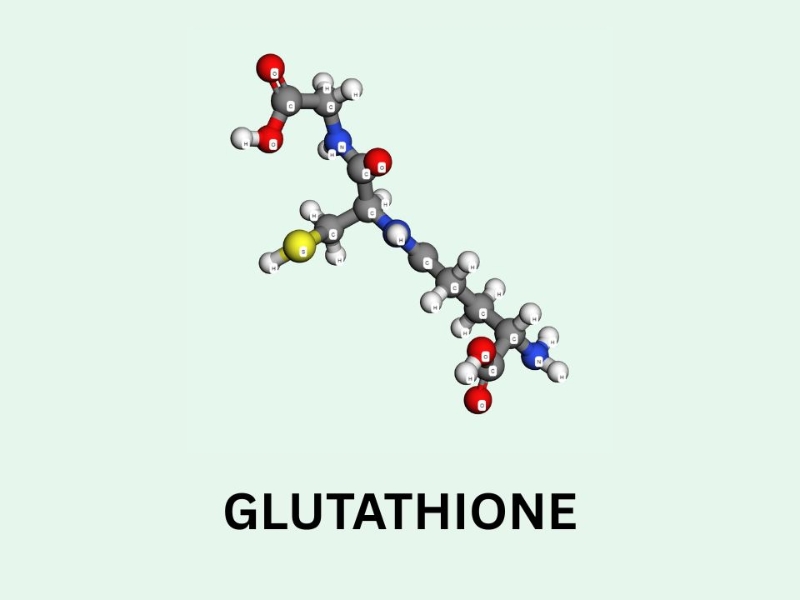
Glutathione (GSH) is a tripeptide composed of three amino acids: glutamate, cysteine, and glycine. It is synthesized primarily in the liver and is found in nearly every cell throughout the body.
Glutathione exists in two forms:
- Reduced glutathione (GSH): The biologically active form responsible for most of glutathione’s antioxidant activity and cellular protective functions.
- Oxidized glutathione (GSSG): The form produced after glutathione neutralizes reactive oxygen species and other oxidants. Through intracellular recycling mechanisms, GSSG can be converted back into active GSH.
The GSH/GSSG ratio is an important biomarker of a cell’s redox status, reflecting the balance between oxidation and antioxidant defense.
The primary functions of glutathione include:
- Neutralizing free radicals and reactive oxygen species (ROS) generated during cellular energy metabolism.
- Supporting antioxidant enzyme systems such as glutathione peroxidase (GPx) and glutathione reductase (GR).
- Assisting liver detoxification by binding to harmful compounds, allowing them to be eliminated through bile or urine.
- Maintaining healthy mitochondrial function – the cell’s energy-producing organelles responsible for generating adenosine triphosphate (ATP) through the electron transport chain.
Glutathione levels naturally decline with age and may be depleted more rapidly by chronic stress, environmental pollution, poor dietary habits, toxin exposure, and chronic disease. When glutathione levels become insufficient, cells become more vulnerable to oxidative stress, leading to impaired cellular function and persistent fatigue.
Can glutathione increase energy? Benefits for physical and mental performance
The answer is yes – but indirectly. Glutathione does not produce energy itself. Instead, it helps maintain healthy energy levels by reducing oxidative stress and protecting mitochondrial function. This connection is key to how can glutathione increase energy, as optimized mitochondria lead to more efficient ATP production, helping support both physical endurance and mental performance while reducing fatigue.
The following mechanisms help explain how maintaining optimal glutathione levels may support energy production.
Supports endurance, reduces muscle fatigue, and promotes recovery
During intense exercise or prolonged physical activity, muscles require greater amounts of energy. At the same time, energy metabolism generates increased levels of free radicals, which can contribute to oxidative stress, accelerate muscle fatigue, and slow recovery.
As a powerful endogenous antioxidant, glutathione helps neutralize these exercise-induced free radicals. By protecting muscle cells from oxidative damage, glutathione supports efficient energy production while reducing the physiological effects of oxidative stress. This mechanism further demonstrates how can glutathione increase energy by allowing for sustained physical activity.
According to the study “Glutathione Supplementation Suppresses Muscle Fatigue Induced by Prolonged Exercise via Improved Aerobic Metabolism” by Aoi et al. (2015), supplementation with glutathione for two weeks reduced the increase in blood lactate levels following prolonged exercise and improved several markers associated with fatigue. The researchers also observed findings suggesting improved mitochondrial function, the primary site of cellular energy production.
Through these mechanisms, glutathione may help improve endurance, reduce muscle soreness, and support post-exercise recovery, illustrating how can glutathione increase energy for physical performance. However, individual responses vary and should be considered alongside proper nutrition, adequate rest, and an appropriate exercise program.

Helps reduce brain fog, improve focus, and protect nerve cells
The brain consumes approximately 20% of the body’s total oxygen supply, making it particularly vulnerable to oxidative stress. When excessive free radicals accumulate, many people may experience:
- Difficulty concentrating
- Memory lapses
- Slower information processing
- Persistent mental fatigue
Glutathione is one of the body’s most important antioxidants for protecting nerve cells against oxidative damage. Several studies have found that lower glutathione levels are associated with cognitive decline and various neurological disorders.
Although more clinical research is needed to confirm its therapeutic role, maintaining optimal glutathione levels is considered an important factor in supporting long-term brain health and cognitive function, adding another dimension to the question can glutathione increase energy.
This is also one of the reasons why many people ask whether can glutathione increase energy. Feeling energized depends not only on physical health but also on maintaining mental clarity, alertness, and healthy brain function.
Supports liver detoxification and reduces the body’s metabolic burden
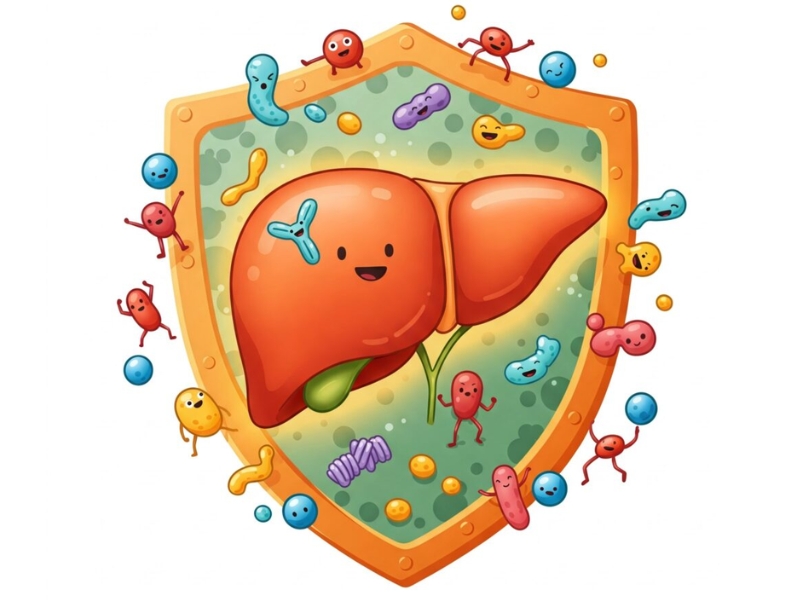
The liver is the body’s primary organ for removing both internally produced and external toxins. Its detoxification pathways (Phase I and Phase II) require substantial amounts of energy and depend heavily on adequate glutathione availability. When the liver is overwhelmed by toxins or glutathione levels become depleted, detoxification efficiency may decline. As toxins accumulate, they can contribute to systemic inflammation, leaving the body feeling sluggish, heavy, and lacking vitality.
Maintaining adequate glutathione levels may help:
- Support the liver’s natural detoxification processes.
- Reduce the metabolic burden placed on the body.
- Allow more cellular energy to be directed toward normal physiological functions instead of managing oxidative stress and detoxification demands.
Support deeper sleep
Poor sleep quality can increase oxidative stress and reduce the body’s ability to restore energy. Conversely, glutathione helps protect cells against oxidative damage while supporting the natural repair processes that occur during sleep. This connection shows how can glutathione increase energy by promoting recovery during rest.
A 2025 study, Weekly Sleep Loss Is Associated with Reduced Cortical Glutathione and Antioxidant Capacity in Adolescents, published in the journal SLEEP, found that adolescents experiencing chronic sleep restriction during the week had significantly lower brain glutathione levels than those who consistently obtained sufficient sleep.
Getting adequate, restorative sleep improves concentration, enhances daily performance, and reduces feelings of exhaustion the following day. Therefore, glutathione’s indirect role in supporting healthy sleep may also contribute to maintaining overall energy levels, answering the can glutathione increase energy query through improved rest quality.
Should you take glutathione supplements? Which method is most effective for supporting energy?
Glutathione can be obtained through a balanced diet, oral dietary supplements, or intravenous (IV) therapy. Each approach offers distinct advantages and may differ in bioavailability depending on an individual’s health status and nutritional needs, specifically when addressing can glutathione increase energy.
- Dietary sources: Foods such as avocados, asparagus, broccoli, garlic, onions, and protein-rich foods provide nutrients that help the body synthesize glutathione naturally.
- Oral supplements: Convenient and easy to use, although absorption and effectiveness may vary from person to person.
- Intravenous (IV) therapy: IV therapy delivers glutathione and other metabolism-supporting micronutrients directly into the bloodstream, bypassing the digestive system. This approach is often chosen by individuals seeking rapid physical and mental recovery or aiming to maximize nutrient absorption. For those interested in how glutathione increase energy strategies may support overall vitality, IV formulations are commonly combined with a range of vitamins, minerals, and other micronutrients to provide more comprehensive metabolic support and help restore energy based on individual health goals.
For people who experience chronic stress, demanding cognitive workloads, inadequate sleep, or persistent fatigue, glutathione supplementation may be a valuable option because of its antioxidant properties and its role in protecting cellular function. However, whether glutathione supplementation is appropriate depends on each individual’s health condition, nutritional status, and a healthcare professional’s recommendation.
At Drip Hydration, the Brain Power IV Drip combines glutathione with Cerebrolysin, vitamins, and alpha-lipoic acid (ALA) to support brain health, cellular energy production, cognitive performance, and emotional well-being.
The formulation includes:
- Cerebrolysin: A neuropeptide preparation that supports neuronal protection and regeneration while helping maintain cognitive function.
- Glutathione: A key endogenous antioxidant that helps protect nerve cells from oxidative stress, supports normal cellular function, and increases energy.
- Alpha-lipoic acid (ALA): An antioxidant that supports cellular energy metabolism, enhances antioxidant defenses, and helps protect nerve cells from oxidative damage.
- Multivitamins: A comprehensive blend of essential nutrients, including B-complex vitamins, vitamin C, vitamin D3, vitamin E, folic acid, and other micronutrients involved in normal energy metabolism and healthy nervous system function.
The Brain Power IV Drip is developed according to U.S. standards, with ingredients approved for their intended use by the U.S. Food and Drug Administration (FDA) and the Vietnam Ministry of Health, where applicable. Before treatment, each client undergoes a medical consultation and health assessment to develop a personalized IV protocol. Throughout the infusion, qualified healthcare professionals continuously monitor the patient’s condition to help ensure both safety and treatment quality.

So, can glutathione increase energy? The answer is yes – but indirectly. Rather than generating energy itself, glutathione helps maintain healthy energy production by reducing oxidative stress and supporting mitochondrial function. These effects may contribute to reduced fatigue, improved mental clarity, and better overall physical performance.
If you are experiencing persistent fatigue, chronic stress, or decreased cognitive performance, consult a qualified healthcare professional to determine whether glutathione supplementation or other nutritional strategies may be appropriate for your individual needs and help clarify can glutathione increase energy for you specifically.
To schedule a medical consultation and receive a personalized glutathione and micronutrient supplementation plan, please contact Drip Hydration at 090 1885 088 or book an appointment through our website.
References:
- Aoi W, Ogaya Y, Takami M, et al. Glutathione supplementation suppresses muscle fatigue induced by prolonged exercise via improved aerobic metabolism. Journal of the International Society of Sports Nutrition. 2015. https://pubmed.ncbi.nlm.nih.gov/25685110/
- Ma J, Prescot AP, Subramaniam P, et al. Weekly sleep loss is associated with reduced cortical glutathione and antioxidant capacity in adolescents. SLEEP. 2025. https://academic.oup.com/sleep/article/48/11/zsaf245/8248401
Bài viết của: Biên tập viên Drip Hydration