In recent years, the application of exosomes in stroke management has become a hot research topic in neurology. Exosomes (extracellular vesicles measuring 30 – 150 nm secreted by cells) have been demonstrated to play a vital role in post-stroke brain recovery mechanisms, opening promising new avenues for therapeutic exosome infusion.
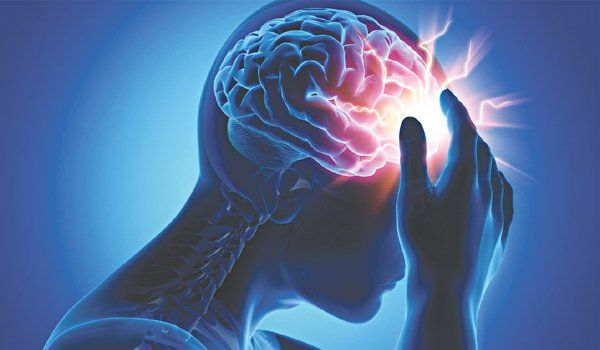
Mechanisms of exosomes in stroke
Anti-inflammatory effects and immune modulation
Exosomes possess the ability to transport microRNAs (miRs) such as miR-223, miR-126, and miR-21, which assist in shifting microglia from a pro-inflammatory phenotype (M1) to a neuroprotective phenotype (M2). This transition reduces pro-inflammatory cytokines such as IL-6 and IL-1β, thereby promoting post-infarction brain tissue repair.
Anti-apoptotic effects
Exosomes derived from mesenchymal stem cells (MSCs) contain miR-138-5p, miR-30d-5p, miR-22-3p, and other regulatory molecules that suppress the activation of caspase cascade pathways and Bax, protecting neurons from ischemic cell death.
Angiogenesis and neural regeneration
Exosomes stimulate angiogenesis, neurogenesis, and oligodendrogenesis – promoting the regeneration of vascular networks and neural connections within damaged brain tissue.
Neurological functional recovery
Numerous preclinical studies demonstrate that exosome infusion improves modified Neurological Severity Scores (mNSS), motor function, and learning and memory capabilities following a stroke. A study published in March 2025 utilized engineered exosomes loaded with quercetin to eliminate senescent and inflammatory microglia (p21+ CD86+), attenuate blood-brain barrier disruption, and enhance neurological functional recovery in post-stroke mouse models.
A recent meta-analysis also concluded that exosome therapy in rodent models significantly reduced cerebral infarction volume and improved neurological outcomes on days 7 and 28 post-stroke.
Professor Peter Chang, MD, PhD (a medical scientist with a doctorate degree from Harvard University, USA), currently serving as a medical advisor to Drip Hydration, shared the following insights regarding the role of exosomes in stroke with Drip Hydration members during a health seminar in July 2024: “Exosomes are produced by brain cells following injury and trigger a variety of physiological responses. Certain exosome populations have exhibited neuroprotective and neuroregenerative effects. Furthermore, exosomes possess the unique capability to cross the blood-brain barrier and circulate within peripheral blood and cerebrospinal fluid – making them highly promising non-invasive biomarkers for the diagnosis and prognostic evaluation of ischemic stroke.
2. Why exosome infusion holds great potential for stroke treatment
| Benefit | Description |
| Targeted Delivery | Capable of crossing the blood-brain barrier and entering the cerebrospinal fluid system with minimal immunogenicity. |
| Safer Than Living Cells | As acellular nanoparticles, exosomes do not cause vascular occlusion and carry a lower risk of tumorigenesis. |
| Highly Engineerable | Can be loaded with therapeutic agents (e.g., quercetin, curcumin) or specific microRNAs. |
While the utilization of exosomes offers substantial therapeutic potential, several translational clinical challenges remain:
- Product standardization: Isolation and purification procedures for exosomes remain complex and lack uniform standardization.
- Dosage and administration timing: Efficacy is dose-dependent; excessive dosages may induce cytotoxicity.
- Lack of human clinical data: The vast majority of current evidence is preclinical; large-scale randomized controlled trials (RCTs) evaluating exosome infusions for stroke in human subjects are still lacking.
Research on exosomes and stroke management has clearly demonstrated a vital role in combating neuroinflammation, as well as protecting and regenerating neural tissue. Although exosome infusions in preclinical models present remarkable prospects, significant technical hurdles, dosing parameters, and clinical verification must still be resolved. The crucial next step relies on Phase I – II clinical trials to establish safety and efficacy profiles for widespread clinical application.
For individuals interested in proactive prevention and early risk assessment, Drip Hydration offers the Stroke Risk Screening and Management Support Program. Contact our hotline at 0901.885.088 for personalized evaluation and advice.
References:
- https://stemcellres.biomedcentral.com/articles/10.1186/s13287-022-03083-9
- https://pubmed.ncbi.nlm.nih.gov/36592803/
- https://onlinelibrary.wiley.com/doi/full/10.1002/EXP.20240349
- https://www.mdpi.com/2218-273X/12/1/115
Bài viết của: Biên tập viên Drip Hydration