These 24-hour pre-stroke warning signs are often subtle, yet they serve as critical red flags that should never be ignored. Manifestations such as transient dizziness, focal weakness or numbness, speech difficulty, or a sudden, severe headache can occur hours to a day before a full-blown stroke takes place.
What is a stroke?
A stroke, medically referred to as a cerebrovascular accident (CVA), occurs when blood flow to a region of the brain is interrupted due to an arterial blockage (ischemic stroke) or a ruptured blood vessel (hemorrhagic stroke). When this happens, brain cells are deprived of oxygen and essential nutrients – which, if not promptly managed, can lead to permanent brain damage or death.
Statistics show that approximately 80% of all stroke cases are ischemic in nature. Therefore, early recognition and timely intervention are paramount. This underscores the necessity of recognizing 24-hour pre-stroke warning signs – the early indicators that manifest prior to a full-blown stroke event.

Most common 24-hour pre-stroke warning signs
Prior to a major stroke, many individuals experience mild or transient warning signs, though they may not always be obvious. You should pay critical attention to the following indicators:
- Transient Symptoms (Transient Ischemic Attack – TIA): Some individuals may experience sudden numbness or weakness on one side of the face, arm, or leg that resolves quickly. Others may develop dysarthria, slurred speech, or difficulty understanding spoken language that subsequently dissipates. Visual changes may also manifest transiently, such as blurred vision or monocular vision loss.
- Severe or Sudden Headache: If a headache manifests suddenly, severely, and unlike any previously experienced headache pattern, it may serve as a warning sign of an impending stroke.
- Dizziness and Loss of Balance: Sudden vertigo, an unsteady gait, loss of coordination, or an unexplained loss of balance may indicate compromised blood flow to the posterior circulation of the brain.
- Unusual Fatigue and Cognitive Changes: Profound exhaustion, confusion, or “brain fog,” particularly in older adults, also represent warning signs, despite receiving less public attention.

Differentiating pre-stroke warning signs from general fatigue
Many individuals frequently confuse routine fatigue and stress with pre-stroke warning signs. Here is how to distinguish between them:
| Symptoms | General Fatigue | Stroke Warning Signs (or Pre-Stroke) |
| Onset | Gradual, worsening over days | Sudden, or developing over a few hours |
| Distribution | Generalized or systemic | Typically unilateral (affecting one side of the face, arm, or leg) |
| Weakness/Numbness | May result from overexertion or sleep deprivation | Distinct, unexplained unilateral numbness or weakness |
| Loss of Balance/Dizziness | May occur with fatigue or intoxication | Sudden loss of balance, unsteadiness, accompanied by other neurological deficits |
| Speech or Vision Disturbance | Rarely occurs | Possible slurred speech, impaired language comprehension, or blurred vision |
| Recovery | Improves following adequate rest | Symptoms may resolve spontaneously (as in a TIA), but this represents a warning sign rather than mere fatigue |
Crucial note: If you observe newly developed weakness on one side of the face, arm, or leg, speech difficulty, or an unsteady gait, you must immediately suspect a stroke and treat it as a medical emergency – never dismiss it as “just fatigue.”
Causes and risk factors leading to stroke
Understanding the underlying causes and risk factors aids in proactive stroke prevention and early identification of warning signs. Stroke stems from various etiologies, broadly categorized into two main types:
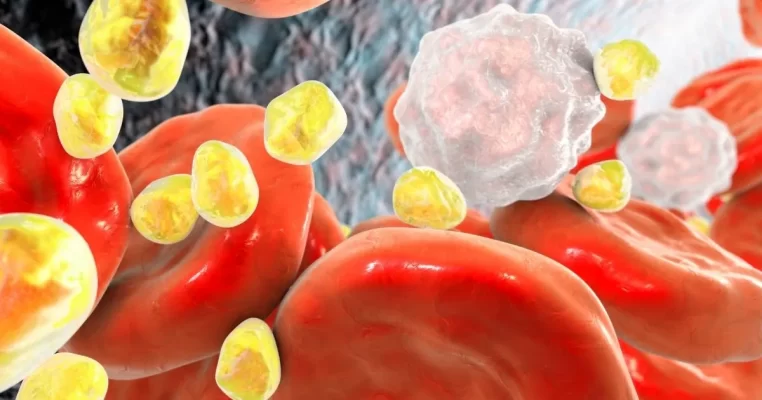
- Ischemic stroke: Occurs when a cerebral blood vessel becomes occluded, most commonly due to a thrombus or atherosclerotic plaque.
- Hemorrhagic stroke: Occurs when a blood vessel within the brain ruptures, causing localized hemorrhage and tissue damage.
Common risk factors include:
- Hypertension: High blood pressure stands as the leading risk factor. Clinical research shows that effective blood pressure reduction significantly decreases stroke risk, while long-term midlife hypertension substantially elevates future stroke risk.
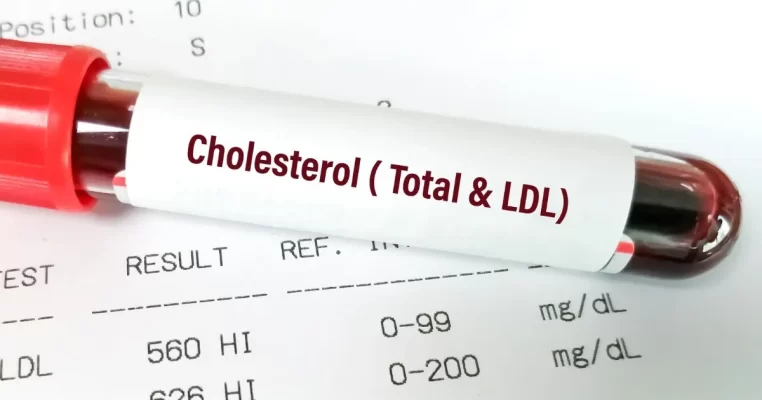
- Dyslipidemia: Elevated LDL cholesterol increases the risk of ischemic stroke. Long-term observational studies, such as the Women’s Health Study, demonstrate that high baseline LDL-C correlates with higher ischemic stroke risk. Conversely, research indicates that excessively low LDL-C (less than 70 mg/dL) may be associated with an elevated risk of hemorrhagic stroke, underscoring the importance of maintaining an optimal range.
- Atrial Fibrillation (AF): Promotes thrombus formation in the heart that can embolize to the brain, heightening ischemic stroke risk. A higher AF burden correlates directly with elevated risk, even in patients receiving medical management.
- Lifestyle and Demographic Factors: Cigarette smoking, excessive alcohol consumption, sedentary behavior, diabetes mellitus, prior history of TIA, advanced age, male sex, and family history all elevate stroke susceptibility.
When an individual with multiple risk factors exhibits early warning signs, prompt clinical intervention can be lifesaving and minimize long-term disability.
Post-stroke rehabilitation and secondary prevention
Post-stroke rehabilitation and secondary prevention are two vital components helping patients regain quality of life and mitigate the risk of stroke recurrence.
Rehabilitation
Once the acute phase has stabilized, patients must initiate rehabilitation as early as possible. Modalities such as physical therapy, speech-language therapy, and occupational therapy for activities of daily living help improve mobility, speech, and self-care capability. Concurrently, psychological support is essential, as many patients experience post-stroke emotional changes. Routine monitoring for complications such as spasticity, anxiety, or depression is equally critical.
Secondary prevention
To reduce the risk of a subsequent stroke, patients must adopt evidence-based lifestyle modifications: maintaining a balanced diet, increasing physical activity, and sustaining a healthy body weight. Underlying chronic conditions – including hypertension, diabetes mellitus, hyperlipidemia, and atrial fibrillation – must be rigorously managed.
Additionally, smoking cessation, alcohol restriction, routine medical follow-ups, and strict medication adherence yield long-term protective benefits. Crucially, early recognition and immediate action upon detecting 24-hour pre-stroke warning signs play a vital role in preventing stroke recurrence.

Immediate actions upon detecting 24-hour pre-stroke warning signs
When pre-stroke warning signs manifest, the most critical response is to act quickly and correctly. Here are the immediate steps required to protect life and minimize long-term neurological sequelae:
- Do not be complacent: If even a single warning sign appears, suspect stroke risk immediately and take swift action.
- Call emergency medical services or transport to a hospital immediately: Time dictates survival outcomes and functional recovery.
- Note or record the exact onset time of symptoms: This information is critical for physicians to determine eligibility for acute interventions.
- Do not wait for symptoms to resolve spontaneously: Even if symptoms resolve transiently (such as during a TIA), never ignore them.
- Transport to a specialized stroke unit: If a nearby hospital features a dedicated stroke unit, transport the patient there for timely thrombolysis, endovascular thrombectomy, or hemorrhage management. While awaiting emergency transport, keep the patient resting quietly with their head slightly elevated; do not administer oral food or fluids. If vomiting or respiratory distress occurs, place the patient in a safe recovery position. Never attempt self-treatment at home when a stroke is suspected.
Rapid action upon recognizing 24-hour pre-stroke warning signs can save lives and significantly limit brain tissue damage, as ischemic brain cells deteriorate rapidly without oxygen.
When to seek early medical evaluation for stroke risk?
You should seek prompt medical evaluation if you present with one or more of the following clinical scenarios:
- You possess multiple risk factors: Such as hypertension, diabetes mellitus, dyslipidemia, or a history of smoking.
- You have a history of TIA (transient ischemic attack): Or experienced transient symptoms, such as self-resolving numbness or arm/leg weakness.
- You have a diagnosis of atrial fibrillation: Or other underlying cardiovascular diseases.
- You experience warning symptoms, even if transient: Such as unilateral arm/leg weakness, transient vision loss, or temporary dysarthria.
- You experience unusual symptoms: Such as unexplained headaches, severe vertigo, or a loss of balance.
Even if symptoms appear transient, recognizing 24-hour pre-stroke warning signs is the key to proactively protecting your health. When your body signals unusual warnings, do not hesitate to monitor them closely and seek immediate evaluation at a medical facility. Proactively listening to your body is the single best strategy to reduce the risk of severe complications and protect your life.
To proactively assess your cardiovascular and vascular health, Drip Hydration offers the Stroke Risk Screening and Management Support Program; contact our hotline at 0901.885.088 for personalized consultation.
References:
- https://www.ninds.nih.gov/health-information/stroke/signs-and-symptoms?utm
- https://www.health.harvard.edu/healthbeat/know-the-signs-of-stroke?utm
- https://www.stroke.org/en/about-stroke/stroke-symptoms/learn-more-stroke-warning-signs-and-symptoms?utm
- https://www.prnewswire.com/news-releases/people-think-they-know-more-about-stroke-warning-signs-than-they-actually-do-according-to-a-new-medstar-health-survey-302133111.html?utm
Bài viết của: Biên tập viên Drip Hydration