Waking up exhausted is far from a simple case of temporary morning laziness; rather, it represents a complex biological warning sign from deep within your physiological systems. When this phenomenon transforms into a chronic daily pattern, your workplace productivity, cognitive concentration, and daytime energy are severely compromised. This comprehensive overview explores the underlying scientific mechanisms to help you break the cycle of waking up completely drained of energy.
What happens inside your body that triggers waking up exhausted?
To accurately diagnose why you routinely experience a state of waking up exhausted, it is essential to analyze the exact changes occurring within your central nervous system and endocrine pathways during the critical transition from deep sleep to active alertness, a neurobiological shift heavily regulated by two primary triggers: sleep inertia and circadian endocrine disruptions.
The neurobiology of sleep inertia
According to a landmark neurochemical review titled “Sleep inertia: current insights” by Hilditch, C. J., and McHill, A. W. (published in Nature and Science of Sleep, 2019), sleep inertia is defined as a temporary state of cognitive impairment, delayed physical reflexes, and heavy behavioral sluggishness that occurs immediately upon awakening. This state stems from an incomplete transition between localized cerebral brainwave states.
When an individual is abruptly awoken from slow-wave deep sleep or rapid eye movement (REM) sleep, the specific brain regions responsible for higher-order executive functioning and voluntary motor control – such as the prefrontal cortex – fail to immediately re-establish their full bioelectrical baseline. Consequently, while your body may physically step out of bed, your underlying neurological networks remain temporarily trapped within a slow-wave sleep configuration, triggering the sensation of waking up exhausted for a duration typically lasting anywhere from 30 to 90 minutes.
Circadian endocrine disruptions and metabolic residue
At the molecular level, a foundational inhibitory biochemical known as adenosine plays a central role. Throughout your waking hours, adenosine continuously accumulates within your neural synapses as a natural metabolic byproduct of cellular ATP energy consumption. Once synaptic adenosine saturation reaches a specific physiological threshold, it generates an intense “sleep pressure,” signaling the central nervous system to enter a restorative rest state.
During a normal, structurally balanced sleep cycle, the brain’s glymphatic system – the specialized waste-clearance network of the central nervous system – operates at peak efficiency to wash away this accumulated adenosine residue. However, if your sleep architecture is fragmented or if your slow-wave deep sleep intervals are cut short, large amounts of metabolic adenosine waste remain trapped within your neural pathways the following morning. This toxic accumulation of adenosine serves as a primary driver behind waking up exhausted.
Concurrently, according to the human body’s innate circadian blueprint, approximately 30 minutes before your scheduled awakening, the adrenal glands are supposed to secrete a rapid surge of the glucocorticoid hormone cortisol. This cortisol spike elevates systemic blood pressure, mobilizes circulating blood glucose, and steps up baseline energy metabolism to prepare your body for the physical demands of the day.
If your hypothalamic-pituitary-adrenal (HPA) axis is compromised by chronic stress, this morning cortisol curve fails to activate properly, while your circulating melatonin – the primary sleep-inducing hormone – is not fully cleared. This internal hormonal mismatch leaves you waking up exhausted, even if you did not stay up late or experience an absolute lack of sleep.
Primary root causes of chronic morning fatigue and low vitality
Waking up exhausted is never an accidental occurrence; it is the collective result of several compounding lifestyle and physiological stressors that disrupt your biological clock. Left uncorrected, this can severely impact your cognitive performance and daytime alertness. The primary clinical root causes include:
1. Compromised sleep architecture (Poor Sleep Quality)
Modern sleep medicine has firmly established that simply hitting a benchmark of 8 hours in bed is insufficient; the architectural integrity of your sleep cycles is what dictates real systemic recovery.
A healthy physiological sleep pattern must progress uninterrupted through 4 to 6 continuous cycles, with each 90- to 120-minute cycle containing the necessary proportions of three NREM stages (N1 and N2 light sleep, N3 slow-wave deep sleep) and REM sleep.
If you experience micro-arousals during the night – even fleeting transitions lasting only a few seconds due to ambient environmental noise, elevated bedroom temperatures, or physical tossing and turning – your structural sleep architecture is immediately fractured. A lack of deep, slow-wave sleep deprives your musculoskeletal system of the window needed for cellular tissue repair while preventing your immune system from restoring its baseline, leaving you waking up exhausted with sore, achy muscles the next morning.
2. Nocturnal systemic dehydration
Throughout a standard 7 to 8-hour sleep interval, the human body continuously expels moisture into the environment via metabolic respiration and transdermal sweating. This uncompensated nocturnal fluid loss can range from 500 mL to over 1,000 mL of essential cellular fluids, as detailed in the clinical review “Effects of Hydration on Cognitive Function and Mood” (Pross, N., published in Nutrients, 2017).
When you wake up facing this degree of cellular dehydration, your total circulating blood volume drops and blood viscosity increases. This elevated viscosity slows down the transport velocity of bound oxygen and vital macronutrients traveling to your cerebral tissues. This physiological state triggers a natural exhaustion reflex, directly contributing to waking up exhausted.
3. Deep micronutrient deficiencies in cellular energy pathways
Vital micronutrients – specifically magnesium, iron, and the water-soluble B-vitamin complex (particularly vitamins B6, B9, and B12) – serve as mandatory cofactors that drive the Krebs cycle, the foundational biochemical pathway responsible for generating cellular ATP energy across all physiological systems.
- When your system is depleted of magnesium, your central nervous system remains in a hyper-excited state, preventing skeletal muscle fibers from fully relaxing during sleep.
- A lack of vitamin B12 degrades the structural maintenance of the myelin sheaths protecting your nerve tracts. This slows down neural signal transmission speeds, leaving you feeling instantly exhausted upon opening your eyes (ngủ dậy vẫn mệt).
Consequently, this chronic failure in cellular energy production prevents your body from fully recovering overnight, ultimately leaving you waking up exhausted.
4. Circadian rhythm disruption via blue light and evening stimulants
Interacting with emitting screens, such as smartphones, tablets, or laptops immediately prior to sleep disrupts your internal biological clock:
- High-energy, short-wavelength blue light directly stimulates specialized intrinsically photosensitive retinal ganglion cells (ipRGCs). These cells send signals to the suprachiasmatic nucleus (SCN) in the hypothalamus, misleading your master biological clock into processing the environment as active daytime. This completely suppresses the pineal gland’s natural production of melatonin.
- Similarly, consuming dietary caffeine or alcohol during the evening blocks adenosine receptors, preventing your body from registering sleep pressure at the appropriate hour.
The unavoidable consequence the following morning is waking up exhausted with poor mental clarity.

Clinical Comparison: Physiological Fatigue vs. Pathological Fatigue
To provide a clear, objective framework for self-assessing your current health status, the table below highlights the differences between temporary lifestyle-induced tiredness and critical pathological warning signs, based on modern clinical diagnostic standards.
| Evaluation Metric | Physiological Fatigue (Standard / Lifestyle) | Pathological Fatigue (Clinical Warning Sign) |
| Duration & Persistence | Morning sluggishness is temporary, typically clearing within 30 to 60 minutes after moving around or drinking water. | Waking up exhausted persists across the entire day, occurring daily for more than 2 weeks without relief. |
| Response to Stimulants | The body rapidly regains focus and alertness following a fresh cup of tea, coffee, or a cool morning shower. | The system shows no response to stimulants like caffeine, remaining in a state of complete physical exhaustion. |
| Accompanying Clinical Signs | No severe physical symptoms are present; presents only as mild physical lethargy or yawning from a brief lack of sleep. | Accompanied by severe headaches, intense dry mouth, chest tightness, unexplained weight loss, or chronic joint pain. |
| Primary Root Causes | Triggered by clear lifestyle shifts: jet lag, short-term work pressures, poor bedroom ventilation, or a heavy late-night meal. | Serves as a warning sign for conditions like Obstructive Sleep Apnea (OSA), hypothyroidism, clinical depression, or adrenal insufficiency. |
| Frequency of Occurrence | Occurs occasionally, corresponding with identifiable disruptions in your normal evening routine or sleep schedule. | Manifests consistently every single morning, causing the individual to dread the alarm clock. |
If your personal experience aligns with the “Pathological Fatigue” profile, lifestyle adjustments alone may not be enough to resolve the issue. In these scenarios, a professional medical evaluation is recommended to safeguard your long-term wellness.
5 scientifically grounded steps to reclaim your energy upon waking
For morning tiredness driven by lifestyle factors, you can effectively kickstart your internal systems by applying an energy-restoration protocol immediately upon stepping out of bed. These steps are designed to activate your circulatory, nervous, and endocrine networks into an optimal state.
Step 1: Rehydrate with 300 to 500 mL of warm water
The very first action you should take upon waking is to consume a glass of warm water, ideally between 300 and 500 mL. Introducing warm fluids into an empty stomach triggers the gastrocolic reflex, awakening your entire gastrointestinal tract after hours of sleep.
More importantly, this fluid is rapidly absorbed across the intestinal walls to counteract nocturnal dehydration. It decreases blood viscosity, enhancing circulating blood flow to deliver fresh oxygen to the cerebral cortex – a simple step that quickly and effectively alleviates mild morning headaches, lethargy, and the sensation of waking up exhausted
Step 2: Leverage natural sunlight exposure to reset your biological clock
Open your window blinds completely or step onto an outdoor balcony to expose your eyes to direct natural sunlight for 10 to 15 minutes. From a neurobiological standpoint, natural sunlight delivers a high lux intensity that travels through the retina to signal the suprachiasmatic nucleus (SCN) in your hypothalamus. This message prompts your body to halt melatonin production while initiating the release of cortisol and serotonin to anchor your daytime alertness. This anchors your circadian rhythm, acting as a full reset for your brain to banish morning fatigue.
Step 3: Perform low-impact stretching to release muscular tension
Remaining still in fixed sleeping postures throughout the night can lead to localized muscle tightness and restricted joint fluid movement, causing morning stiffness. Spending 5 to 7 minutes practicing gentle, fluid stretching – focusing on core structural areas like the neck, shoulders, spine, and hamstrings – helps awaken your body.
These movements activate the sympathetic nervous system and dilate peripheral blood vessels, enhancing blood flow to your major muscle groups. As circulation improves and localized tension is released, morning grogginess gives way to renewed physical vitality.
Step 4: Utilize contrast shower therapy to spark endorphin release
If morning sluggishness feels difficult to shake off, incorporate contrast hydrotherapy into your morning routine. Under the shower:
- Begin with 2 minutes of comfortably warm water to dilate your vascular pathways,
- Switch abruptly to 30 seconds of cool water,
- Repeat this cycle 3 to 4 times consecutively.
This rapid temperature transition introduces a brief, beneficial biological stimulus to your system. It activates the nerve endings across your skin and causes your blood vessels to constrict and dilate in turn, serving as an invigorating exercise for your circulatory system. This practice encourages the brain to release endorphins and noradrenaline, helping to clear morning lethargy and awaken your senses.
Step 5: Consume a breakfast rich in clean proteins and complex carbohydrates
A frequent nutritional mistake is skipping breakfast entirely or consuming high-glycemic items like processed pastries or sugary specialty coffees. These refined choices trigger a rapid spike in blood glucose, provoking an overproduction of insulin that causes a sharp blood sugar crash within two hours, leaving you feeling more exhausted than before.
Instead, build a balanced breakfast combining clean, bioavailable proteins (such as organic eggs, chicken breast, or nuts) with complex carbohydrates (such as rolled oats, sweet potatoes, or sprouted whole-grain bread). Complex carbohydrates release glucose into your bloodstream at a slow, measured rate, supplying steady fuel to your brain. Concurrently, amino acids from protein sources provide the necessary building blocks for neurotransmitter synthesis, supporting cognitive focus and preventing a return of fatigue during your morning working hours.
Correcting chronic systemic fatigue at the cellular level
When comprehensive lifestyle improvements are maintained consistently yet the sensation of waking up exhausted remains unresolved, your body may be dealing with micronutrient depletion at the cellular level. In these instances, relying solely on standard oral supplements can be inefficient or require a prolonged timeline to produce noticeable shifts.
When the body is subjected to chronic stress and physical fatigue, gastrointestinal function is often affected. Gastric acid secretion, digestive enzyme production, and the balance of the gut microbiome can become compromised, lowering the real-world bioavailability of oral nutrients to a fraction of their intended dose. As a result, a portion of these ingested compounds can pass through the system unabsorbed, failing to reach energy-starved cells.
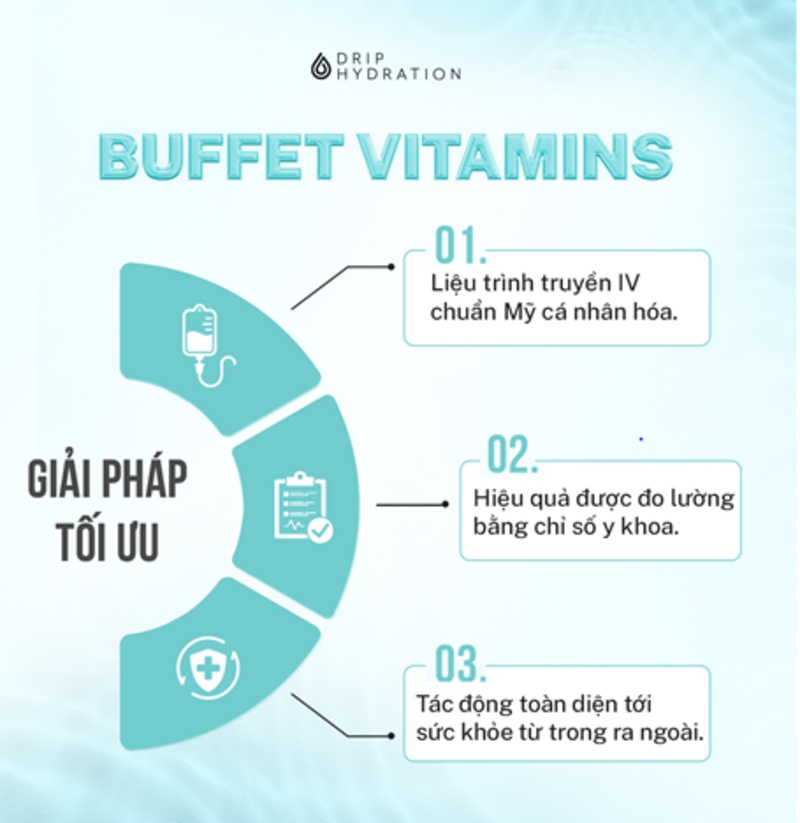
To address persistent fatigue and support physical recovery, advanced intravenous protocols can be an efficient option. The Energy Boost IV Drip therapy at Drip Hydration is a specialized intravenous protocol engineered to address chronic fatigue and support metabolic recovery:
- An optimized formulation for metabolic energy: This protocol delivers a high-potency blend of essential B-complex vitamins to fuel cellular metabolism, vitamin B6 to support nervous system health, and medical-grade vitamin C to reinforce immune defenses.
- Immediate systemic bioavailability: Administered intravenously, these vital micronutrients enter the bloodstream directly, completely bypassing the absorption barriers of the digestive tract. This allows the compounds to be distributed instantly to your cerebral tissues, muscular networks, and vital organs, supporting rapid physiological revitalization.
Advanced intravenous therapies deliver vital cofactors directly into the circulation, bypassing digestive barriers for rapid cellular use.
All clinical protocols and services administered at Drip Hydration strictly adhere to American medical standards and comply fully with Vietnamese healthcare regulations, ensuring safety under the oversight of experienced physicians and healthcare professionals. Furthermore, every micronutrient protocol is completely personalized based on your physical health diagnostics and unique wellness requirements.
In conclusion, experiencing morning fatigue can stem from various lifestyle factors and can often be improved by practicing a structured 5-step routine to reset your body’s internal clock. However, when waking up exhausted transforms into a persistent, daily battle, it may indicate a chronic micronutrient deficiency that requires targeted care. The Energy Boost IV Drip therapy delivers a safe, efficient clinical option to replenish essential vitamins, support nervous system balance, and restore your baseline vitality from within.
Contact our medical team at Drip Hydration today via our hotline at 0901.885.088 to schedule your clinical consultation, and begin your journey toward restful sleep and sustained daily energy.
References
- “Sleep inertia: current insights”, https://pubmed.ncbi.nlm.nih.gov/31692489/
- “Effects of hydration status on cognitive performance and mood”, https://pubmed.ncbi.nlm.nih.gov/24480458/
Bài viết của: Biên tập viên Drip Hydration