The vitamin B complex benefits extend far beyond systemic energy metabolism; these essential micronutrients directly safeguard neurological health and sharp cognitive performance. Conversely, a deficiency can trigger persistent physical fatigue and diminish mental focus. Read on to discover how the vitamin B complex benefits both physical and mental vitality, along with the specific groups who need targeted supplementation for peak metabolic performance.
Detailed biological functions of individual vitamins inside the B complex
The vitamin B complex comprises a structural network of eight distinct B vitamins rather than a single chemical entity, with each performing unique and essential biological functions.
Vitamin B1 (thiamine)
Vitamin B1 is a critical cofactor driving carbohydrate catabolism to generate baseline biological fuel. It operates as an indispensable coenzyme that empowers cells to harvest energy for human survival.
Key physiological vitamin B complex benefits delivered by thiamine include:
- Directing glucose metabolism to actively supply cellular energy pathways.
- Sustaining structural stability within the nervous system and optimizing synaptic neurotransmission.
- Regulating myocardial contractility to ensure healthy, baseline cardiovascular functions.
- Mitigating generalized physical fatigue and chronic weakness caused by acute thiamine deficits.

Vitamin B2 (riboflavin)
Vitamin B2 acts as a foundational building block for mitochondrial energy generation via its primary coenzyme forms, FMN (flavin mononucleotide) and FAD (flavin adenine dinucleotide).
Critical biological actions executed by riboflavin feature:
- Driving high-efficiency ATP synthesis directly at the cellular level.
- Metabolizing dietary macromolecules, including fatty acids, amino acids, and glucose, into usable power.
- Protecting cellular structures against free radical mutations and unmitigated oxidative stress.
- Preserving tissue health across dermal layers, ocular networks, and mucosal membranes.
Vitamin B3 (niacin)
Vitamin Niacin forms the structural backbone of NAD (nicotinamide adenine dinucleotide) and NADP, serving as vital coenzymes that mediate hundreds of oxidative-reduction pathways across human anatomy.
Foundational clinical insights regarding niacin include:
- Facilitating robust cellular respiration by optimizing intracellular metabolic processes.
- Conserving genetic integrity by driving cellular DNA maintenance and molecular repair pathways.
- Sustaining healthy peripheral neurological functions and baseline executive cognition.
- Protecting skin cell barriers against environmental damage.
- Modulating systemic lipid metabolism, keeping cholesterol and fatty acid transport in equilibrium.

Vitamin B5 (pantothenic acid)
Vitamin B5 serves as the direct biological precursor for Coenzyme A (CoA), a master molecule sitting at the epicenter of lipid, protein, and carbohydrate metabolism.
Core physiological benefits driven by pantothenic acid comprise:
- Activating cellular energy conversion mechanisms inside the mitochondria.
- Synthesizing critical steroid hormones required for homeostatic endocrine signaling.
- Directing internal cholesterol synthesis pathways.
- Packaging essential neurotransmitters to sustain baseline central nervous system performance.
Vitamin B6 (pyridoxine)
Vitamin B6 modulates over 100 enzymatic reactions, primarily governing amino acid transamination and nitrogen metabolism.
Key systemic advantages provided by pyridoxine include:
- Driving the biological synthesis of critical neurotransmitters, including mood-stabilizing serotonin and dopamine.
- Maintaining stable, uncompromised autonomic nervous system functions.
- Assembling hemoglobin molecules to support red blood cell structural architecture.
- Regulating and maintaining circulating homocysteine parameters within a safe physiological limit.
- Elevating immune cell proliferation and overall systemic defensive vigilance.

Vitamin B7 (biotin)
Biotin serves as an essential carboxylase coenzyme driving fatty acid synthesis, gluconeogenesis, and amino acid catabolism.
Prominent healthcare aspects of biotin feature:
- Driving metabolic pathways to extract clean energy from dietary intake.
- Modulating cellular glucose utilization across peripheral tissues.
- Conserving the structural integrity of hair follicles, dermal layers, and nail beds.
- Functioning as an absolute enzyme cofactor across primary systemic biochemical cascades.
- Clinical note: While widely popularized as an aesthetic beauty supplement, biotin’s core biological function remains cellular energy conversion B vitamins optimization.
Vitamin B9 (folate)
Folate is an absolute prerequisite for normal nucleic acid synthesis, DNA methylation cycles, and cellular division.
Major healthcare milestones of folate include:
- Forging hematopoietic pathways to ensure healthy red blood cell maturation.
- Accelerating DNA synthesis to sustain orderly cellular replication and structural tissue growth.
- Safeguarding fetal neural tube closure and embryonic nervous system development.
- Collaborating with alternative B vitamins to regulate blood homocysteine parameters.

Vitamin B12 (cobalamin)
Vitamin B12 is arguably the most complex B vitamin, serving as a core pillar for nervous system homeostasis and hematopoiesis.
Vital medical attributes of cobalamin comprise:
- Executing healthy erythropoiesis (red blood cell creation) within bone marrow cavities.
- Maintaining the structural integrity of the myelin sheath to ensure normal nerve conduction.
- Driving master cellular pathways tasked with genetic DNA replication.
- Contributing to mitochondrial cascades that generate baseline cellular fuel.
- Alleviating clinical peripheral neuropathy, lethargy, and systemic weakness caused by dietary depletions.
3 potent synergistic effects achieved through a complete B complex
While individual B vitamins operate along specific chemical pathways, supplementing the complete B complex matrix unlocks profound biological synergies that maximize overall cellular respiration.
Eradicating systemic fatigue and optimizing cellular energy conversion
Multiple B vitamins act as interlocking teeth in a metabolic gear system. They execute distinct, sequential steps in converting glucose, lipids, and amino acids into active ATP:
- B1 drives pyruvate conversion.
- B2 and B3 form the raw foundation of FAD and NAD+.
- B5 synthesizes Coenzyme A.
If a single link in this chain breaks, cellular energy conversion B vitamins pathways are restricted, dropping ATP output and inducing chronic exhaustion.
A randomized, double-blind, placebo-controlled trial published in the International Journal of Medical Sciences (2023) evaluated vitamin B complex benefits on healthy adults. Following 28 days of structured supplementation, physical exercise time to exhaustion increased significantly by 26% (surging from 12.59 ± 2.06 minutes to 15.82 ± 1.91 minutes). Concurrently, blood biomarkers for exhaustion – specifically circulating lactate and ammonia accumulations – dropped noticeably. This clinical data proves that a balanced B complex directly optimizes physical endurance thresholds while downregulating systemic fatigue markers.

Calming the central nervous system, lowering anxiety, and clearing brain fog
Phytochemical complexes deliver profound neurological support micronutrients through two primary central mechanisms:
- Neurotransmitter stabilization: The structural synergy of vitamins B1, B6, and B12 balances signaling chemicals inside synaptic clefts, lowering chronic anxiety and physical stress.
- Clearing brain fog: By supporting vascular health and shielding neural cells against metabolic insults, the B complex maintains high concentration thresholds and rapid cognitive processing speeds.
In a rigorous randomized, double-blind, placebo-controlled trial conducted by Kennedy et al. (2010) on full-time working men, high-dose B-complex administration for 33 days significantly improved perceived stress scores, general mental health indices (GHQ-12), and baseline cognitive vigor compared to the control group. Participants using the B complex reported significantly lower mental tiredness and demonstrated superior performance across objective cognitive testing batteries.
Accelerating cell regeneration, fortifying immunity, and protecting the cardiovascular system
According to clinical data:
- Vitamins B6, B9, and B12 drive rapid cell division and healthy hematopoiesis.
- Vitamin B6 regulates immune antibody responses.
- Vitamin B2 serves as a core antioxidant defense mechanism.
- Vitamins B6, B9, and B12 actively clear excess homocysteine.
Elevated homocysteine concentrations are a confirmed independent risk factor for acute vascular lesions and cardiovascular events. Providing a balanced, bioavailable stream of B vitamins ensures normal homocysteine clearance, shielding arterial walls from oxidative damage.

Daily recommended allowances and nutritional food sources
The recommended dietary allowance (RDA) for vitamin B complex components varies based on chronological age, biological sex, and active metabolic demands. Below is a clinical reference table for healthy adults:
| Nutrient | Adult RDA | Top Dietary Sources |
| B1 (Thiamine) | 1.1 – 1.2 mg | Lean pork, legumes, sunflower seeds, whole grains. |
| B2 (Riboflavin) | 1.1 – 1.3 mg | Whole eggs, organic milk, organ meats, mushrooms. |
| B3 (Niacin) | 14 – 16 mg | Pasture-raised chicken, grass-fed beef, salmon, brown rice. |
| B5 (Axit Pantothenic) | 5 mg | Fresh avocados, broccoli, poultry, sunflower seeds. |
| B6 (Pyridoxine) | 1.3 – 1.7 mg | Bananas, russet potatoes, wild tuna, non-GMO soy. |
| B7 (Biotin) | 30 mcg | Organic egg yolks, almonds, grass-fed beef liver. |
| B9 (Folate) | 400 mcg | Dark leafy greens (spinach), asparagus, citrus fruits. |
| B12 (Cobalamin) | 2.4 mcg | Shellfish (clams, oysters), pasture-raised red meat, dairy. |
While obtaining nutrients from whole foods remains the top priority, exploring whether oral B-complex supplementation is beneficial provides patients with an effective adjunctive treatment solution during pathological states or periods of elevated demand.
Micronutrient malabsorption risk groups requiring urgent intervention
Despite the wide availability of B vitamins across modern diets, specific demographics remain highly vulnerable to severe deficiencies due to restrictive eating patterns, increased biological stress, or gastrointestinal transport failures.
Strict vegans and raw-food dieters
Individuals adhering to long-term vegan or strict vegetarian diets face a severe risk of cobalamin depletion, as active vitamin B12 does not naturally exist in plant tissues. B12 is found almost exclusively within animal-derived matrices. Failing to actively monitor this parameter depletes liver cobalamin stores over time, directly causing macrocytic anemia, systemic cognitive decline, and chronic fatigue. Left unmanaged, severe B12 depletion can trigger irreversible peripheral nerve tract damage.
Pregnant and preconception individuals
This demographic presents vastly elevated metabolic demands for vitamin B9 (folate) to facilitate rapid embryonic cell division and neural tube closure. A folate deficit during the opening weeks of pregnancy significantly elevates the clinical incidence of spina bifida and severe congenital nervous system malformations.

High-stress professionals and individuals managing alcohol dependency
This modern demographic is highly vulnerable to B1, B3, and folate depletions. Chronic ethanol consumption severely breaks down intestinal transport mechanisms, while accelerating the urinary flushing of water-soluble vitamins. Concurrently, enduring high-intensity professional workloads triggers a hyper-metabolic state where the adrenal glands consume B vitamins at multiple times the baseline physiological rate to sustain stress-response mechanisms.
Seniors and patients managing gastrointestinal disorders
Aging naturally induces atrophic gastritis, which lowers gastric hydrochloric acid and intrinsic factor (IF) secretion, leaving older adults incapable of extracting bound vitamin B12 from food. Similarly, patients managing chronic inflammatory bowel diseases, such as ulcerative colitis or Crohn’s disease, present compromised mucosal linings that block micronutrient transport, causing long-term cellular exhaustion.
Oral versus intravenous B complex: Which delivery route is optimal?
Modern clinical medicine delivers two primary modalities for B-complex restoration: standard oral supplements and intravenous (IV) micronutrient infusions.
- Oral delivery: Highly convenient, cost-effective, and perfectly suited for daily preventative maintenance. However, its therapeutic value relies entirely on gastrointestinal health. The real bioavailability achieved is heavily capped by intestinal transport limits and first-pass hepatic metabolism.
- Intravenous delivery (IV Therapy): Bypasses the gastrointestinal barrier entirely by infusing pure micronutrients directly into systemic circulation. This approach achieves immediate maximum plasma concentrations, providing rapid physical revitalization for patients managing compromised absorption or severe metabolic exhaustion.
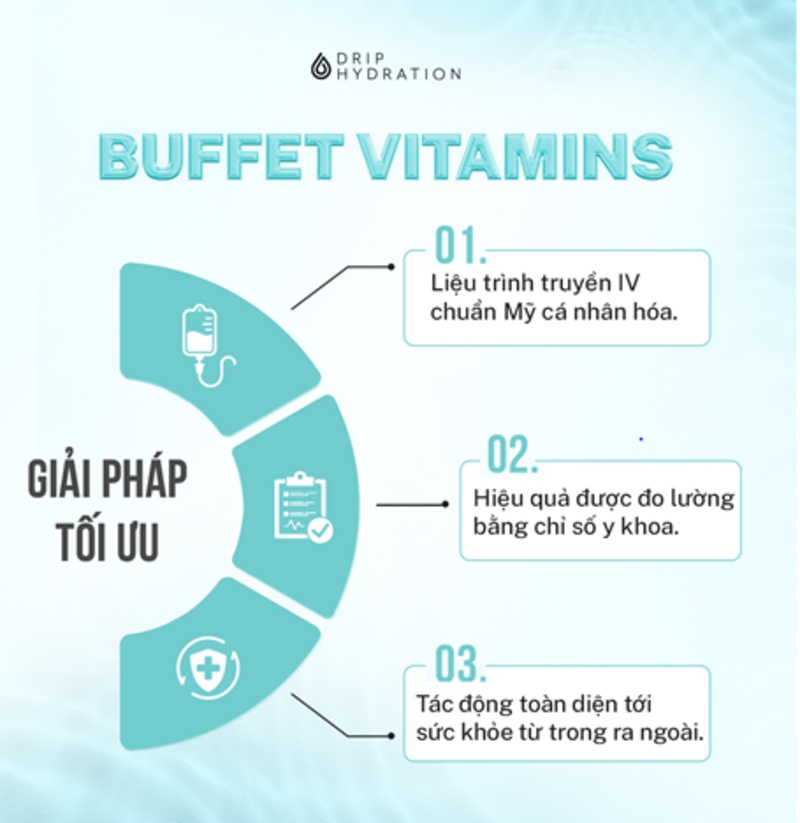
If you are navigating chronic burnout, severe sleep fragmentation, or gastrointestinal malabsorption, exploring targeted IV infusions is a highly effective option. At Drip Hydration, bioavailable B-complex forms the foundational core of our proactive wellness phacotherapy, adapted to fulfill distinct health goals:
- The Energy Boost: Combines highly concentrated B-complex with active electrolytes and hydration fluids to accelerate mitochondrial respiration, eliminate sluggishness, and restore cognitive acuity.
- The Recovery: Infuses B-complex alongside cellular antioxidants to rapidly restore fluid volume, flush metabolic waste, and rejuvenate physical stamina following intense workplace or athletic overexertion.
Basing your healthcare on personalized protocols ensures maximum cellular nutrient uptake under direct physician monitoring. As an international healthcare leader, Drip Hydration administers all IV therapies under strict US clinical guidelines, using premium ingredients to deliver elite preventative medicine.

The clinical vitamin B complex benefits touch every facet of human physiology, ranging from steady cellular respiration to intricate neurotransmitter synthesis. Recognizing the early warning signs of a micronutrient shortage is the first step to protecting your long-term vitality. Contact the medical team at Drip Hydration today via our hotline at 090.1885.088 to schedule your physician evaluation.
References:
- Lee MC, Hsu YJ, Shen SY, Ho CS, Huang CC. A functional evaluation of anti-fatigue and exercise performance improvement following vitamin B complex supplementation in healthy humans, a randomized double-blind trial. Int J Med Sci. 2023. https://pubmed.ncbi.nlm.nih.gov/37786445/
- Kennedy DO, Veasey R, Watson A, et al. Effects of high-dose B vitamin complex with vitamin C and minerals on subjective mood and performance in healthy males. Psychopharmacology (Berl). 2010.https://pmc.ncbi.nlm.nih.gov/articles/PMC2885294
- Kennedy DO et al., 2010 – Effects of high-dose B vitamin complex with vitamin C and minerals on subjective mood and performance in healthy males, Psychopharmacology. https://pmc.ncbi.nlm.nih.gov/articles/PMC2885294/
Bài viết của: Biên tập viên Drip Hydration