Unexplained fatigue is a medical condition characterized by a prolonged depletion of systemic energy despite avoiding overexertion, securing adequate sleep, and lacking any obvious diagnosed illness. This is far more than a simple feeling of tiredness; rather, it may directly reflect deep-seated sleep disorders, subclinical micronutrient deficiencies, chronic psychological stress, or underlying medical conditions that demand an early physician evaluation.
What is unexplained fatigue?
Experiencing prolonged fatigue without a clear reason is a physiological phenomenon where the body constantly feels sluggish despite avoiding high physical output or severe sleep loss. It differs from ordinary tiredness because it directly impairs psychological well-being and daily functioning.
Unexplained fatigue can typically stem from one or several overlapping factors:
- Hormonal imbalances
- Vitamin and mineral deficiencies
- Chronic psychological stress
- Sub-optimal sleep quality
Choosing to ignore this clinical warning sign can cause the underlying condition to become progressively more severe.
If your fatigue remains prolonged and fails to improve following adequate rest, undergoing a comprehensive medical examination and wellness screening is highly necessary. Detecting hidden health issues early empowers the body to recover rapidly and prevents long-term systemic complications.
Why do so many individuals feel exhausted without finding a clear cause?
In clinical practice, numerous cases of unexplained fatigue do not originate from a single, isolated factor but are rather the result of overlapping, low-grade metabolic or physiological dysregulations that are highly difficult to detect through standard observation.
Some of the most prevalent underlying reasons include:
- Silent biological disruptions that do not yet meet the full diagnostic criteria for a specific disease
- Micronutrient deficiencies at a subclinical level, which fail to trigger overt, specific symptoms
- Chronic psychological stress that deregulates the hypothalamic-pituitary-adrenal (HPA) axis
- Sub-optimal daily habits that are perceived as “normal” but have persisted for many years
According to a landmark study titled “Prevalence and Predictors of Fatigue Among Middle-Aged and Older Adults” (Meng, Hale, Friedberg et al., 2010), approximately 31.2% of Americans aged 51 and older (representing nearly one-third of all respondents) experienced fatigue during standard daily activities. This prevalence was notably higher in women (33.3%) compared to men (28.6%). The study defined fatigue as a persistent feeling of tiredness, a lack of energy, or total exhaustion, emphasizing that this condition is widespread even in the absence of an obvious diagnosed medical disease.

How does unexplained fatigue differ from chronic fatigue?
Fatigue is a universal human experience, but it does not always manifest identically. Two frequently encountered presentations are unexplained fatigue and chronic fatigue. Each carries distinct clinical features and underlying etiologies, which dictate how they are identified and managed.
| Criterion | Unexplained fatigue | Chronic fatigue |
| Definition | A persistent sensation of sluggishness and low energy lacking a clear, obvious cause, and not immediately tied to a specific diagnosed disease. | Fatigue that persists continuously or recurs over an extended duration (typically >6 months), which may or may not be driven by a diagnosed medical condition. |
| Duration | Can emerge abruptly or occur in erratic, unstable episodes. | Continuous or highly frequent, spanning consecutive weeks, months, or years. |
| Common causes | Chronic psychological pressure, sleep architecture disruptions, subclinical nutrient shortages, or ambient psychological factors. | Chronic organic illnesses, endocrine disorders, systemic physical burnout, post-viral syndromes, or pharmaceutical side effects. |
| Management | Triggers temporary energy drops and physical discomfort, but frequently shows improvement following targeted rest. | Severely impairs daily functions, occupational output, and overall quality of life; highly resistant to natural recovery. |
| Cách xử lý | Focused monitoring, structured rest, targeted nutritional support, and strategic stress reduction. | Demands a comprehensive medical evaluation, targeted treatment of the root cause, combined with expert lifestyle management. |
Common factors driving idiopathic prolonged fatigue that lacks a clear diagnosis
Prolonged exhaustion that has not yet been tied to a clear diagnosis rarely comes from an isolated issue. It is almost always a combination of multiple physiological dysregulations and daily lifestyle habits. The primary driving factors include:
Sleep architecture and circadian rhythms
If you are securing an adequate number of hours in bed but still wake up exhausted, the underlying issue may be poor sleep architecture or a disrupted circadian rhythm. Staying up late consistently, using electronic screens right before sleeping, or working night shifts all prevent the body from executing its natural energy replenishment. Optimizing sleep hygiene stands as the mandatory first line of intervention.
Psychological stress and neurological overload
Chronic stress keeps the central nervous system in a state of continuous overactivation, rapidly exhausting your body’s vital resources. Patients frequently battle profound fatigue, poor concentration, and easy irritability despite lacking a definitive organic disease. Implementing stress relief strategies and proper recovery windows brings measurable improvements.
Nutrition and micronutrient deficiencies
Shortages in essential B-complex vitamins, iron, magnesium, or vitamin D represent widespread causes behind unexplained fatigue. This nutritional depletion may not show up clearly on basic, routine laboratory screenings. Adhering to unbalanced meal plans or severe restrictive diets significantly elevates this risk.
Therefore, adopting a well-balanced daily meal plan and ensuring adequate intake of essential micronutrients are key steps in correcting nutritional deficiencies and promoting sustained energy levels.
Metabolic dysregulation
Early-stage metabolic imbalances can cause prolonged fatigue, particularly presenting as postprandial sluggishness (tiredness after meals) or a noticeable drop in physical endurance. Adjusting dietary patterns, increasing physical movement, and prioritizing restorative sleep help reverse these symptoms in many cases.
Underlying medical conditions
Several chronic illnesses, such as thyroid disorders (hypo- or hyperthyroidism), cardiovascular diseases, or occult low-grade inflammation, may initially present solely as fatigue. If your exhaustion remains prolonged and fails to lift after resting, you should seek a comprehensive physician assessment.
Lifestyle factors and external variables
Overusing caffeine or alcohol, utilizing long-term medications, or leading a highly sedentary lifestyle can all trigger baseline fatigue. Proactively modifying daily habits and undergoing routine wellness assessments are highly effective ways to manage this issue.
>> Xem thêm: Mệt mỏi kéo dài suốt ngày: Cơ thể đang cảnh báo điều gì?

Which specific health conditions can unexplained fatigue warn you about?
In many cases, an unexplained drop in vitality serves as an early physiological signal for the following underlying conditions:
- Anemia: Marked by profound fatigue, skin pallor, and a drop in cognitive focus.
- Hypothyroidism: Presenting as mild unexplained weight gain, cold intolerance, and systemic sluggishness.
- Hepatic disorders: Leading to fatigue, poor appetite, and abdominal bloating.
- Chronic fatigue syndrome (ME/CFS): Characterized by profound, long-term exhaustion that fails to improve with rest and worsens after minor exertion.
Practical solutions for mitochondrial energy restructuring
Instead of simply attempting to “get more sleep,” medical experts strongly recommend a strategic restructuring of your energy pathways, working from foundational daily habits all the way down to deep cellular operations.
Optimizing biological sleep cycles
Go to bed and wake up at fixed times every day, and eliminate electronic blue light exposure in the evening. This practice successfully recalibrates your circadian rhythm and noticeably diminishes fatigue within 2 to 3 weeks.
Reducing neurological stress loads
Consistently practicing deep-breathing techniques, brief meditation sessions, or light walking effectively lowers circulating cortisol levels and optimizes your baseline energy.
Targeted micronutrient supplementation
Ensuring an adequate, scientifically backed intake of micronutrients directly involved in cellular energy conversion, such as B-complex vitamins, iron, magnesium, and vitamin D, can help resolve unexplained fatigue within a 4-to-8-week window.
A 2023 clinical study titled “A functional evaluation of anti-fatigue and exercise performance improvement following vitamin B complex supplementation in healthy humans, a randomized double-blind trial” published by the NIH demonstrated that supplementing with a comprehensive vitamin B complex (including B1, B2, B6, and B12) for 28 consecutive days significantly extended endurance running times and lowered biochemical markers associated with physical fatigue compared to the control group.
Structural dietary adjustments
Prioritize clean proteins and healthy fatty acids while strictly limiting refined sugars. This approach stabilizes blood glucose levels and ensures a steady supply of daily energy.
Frequently asked questions
Is unexplained fatigue dangerous?
It may not pose an immediate danger to your life; however, if the exhaustion persists past 2 to 3 weeks, a medical evaluation is mandatory to rule out hidden chronic illnesses.
Why do I feel constantly exhausted despite getting enough sleep?
This paradox is usually driven by poor sleep architecture (lack of deep sleep), chronic psychological stress, hidden micronutrient shortages, or early-stage metabolic dysregulation.
Can unexplained fatigue be caused by a nutrient deficiency?
Yes, subclinical micronutrient deficiencies represent a highly common cause, especially shortages in iron, vitamin B12, vitamin D, and magnesium.
Which specific deficiency causes unexplained fatigue?
The most frequent culprits encountered in clinical evaluations include deficiencies in elemental iron, vitamin B12, folate, and vitamin D.
Is unexplained fatigue linked to thyroid function?
Absolutely. Early-stage hypothyroidism (an underactive thyroid gland) frequently manifests primarily as a vague, persistent sensation of fatigue.
What laboratory tests should be ordered for unexplained fatigue?
A standard medical workup includes a complete blood count (CBC), iron panel, vitamin B12 assessment, liver function tests, thyroid panels, and fasting blood glucose screenings.
How can I overcome unexplained fatigue as quickly as possible?
The fastest pathway requires an accurate assessment of the root cause, coupled with structured lifestyle modifications and targeted micronutrient supplementation under professional guidance.
Can unexplained fatigue be driven entirely by stress?
Yes. Chronic psychological stress is one of the leading underlying causes of biological exhaustion, yet it remains one of the most frequently underestimated variables.
Unexplained fatigue should never be dismissed lightly or simply labeled as “not getting enough rest.” It frequently serves as an early warning signal for complex metabolic shifts, subclinical nutrient depletions, or hidden medical conditions. Identifying the warning signs early, accurately assessing the root cause, and initiating a strategic restructuring of your energy pathways are the absolute keys to achieving sustainable physical recovery.
Proactively supplementing essential vitamins and micronutrients to optimize energy production while supporting cellular health represents a modern approach to preventive healthcare. For individuals experiencing persistent fatigue or low energy levels, targeted nutritional support can help address underlying deficiencies.
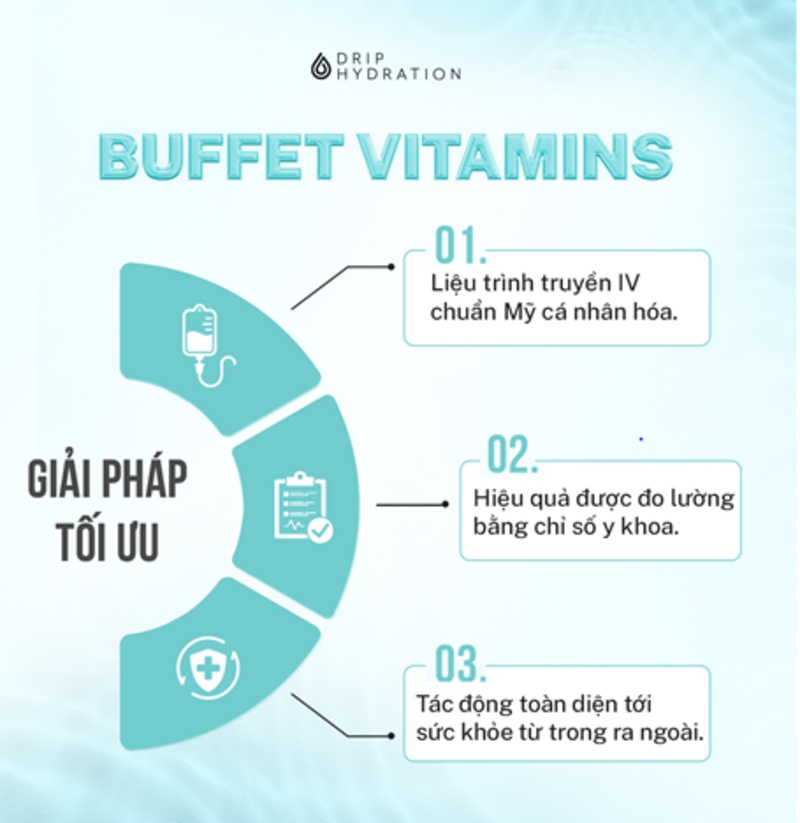
When rapid replenishment is needed, intravenous therapy may be recommended under medical supervision. Energy Boost IV Therapy is formulated with essential vitamins, minerals, and metabolic cofactors to support cellular energy production, enhance vitality, and promote overall well-being.
Through the intravenous route, purified and highly refined micronutrients enter the systemic circulation directly, delivering them instantly to target tissues and individual cells, allowing users to experience measurable revitalization right after their initial session. If you are currently battling unexplained fatigue or long-term sleep disturbances, contact the medical team at Drip Hydration today to book your comprehensive clinical consultation. Hotline: 0901 885 088.
References
- https://pmc.ncbi.nlm.nih.gov/articles/PMC2981161/
- https://www.medsci.org/v20p1272
- https://www.nih.gov/advancing-mecfs-research/about-mecfs
- https://www.who.int/standards/classifications/frequently-asked-questions/chronic-fatigue-syndrome
- https://pmc.ncbi.nlm.nih.gov/articles/PMC7239763
- https://pubmed.ncbi.nlm.nih.gov/37786445/
Bài viết của: Biên tập viên Drip Hydration