Vitamin B12 is an essential micronutrient for energy metabolism, red blood cell production, and neurological health. If you are looking for the best vitamin B12 foods to address a potential deficiencies, this article provides a comprehensive list of nutrient-dense options from both animal and plant origin.
Why is vitamin B12 critical and how much do you need daily?
The physiological role of vitamin B12
Vitamin B12 is the only water-soluble vitamin featuring a complex chemical structure centered around a metallic cobalt ion. Physiologically, B12 acts as a vital cofactor for two critical enzymatic reactions that drive DNA synthesis and fatty acid/amino acid metabolism.
Key biological functions include:
- Red blood cell production: Working synergistically with folate (vitamin B9), B12 drives hematopoietic cell division within the bone marrow. A severe lack of B12 halts normal erythrocyte maturation, causing red blood cells to become pathologically enlarged (megaloblasts) and incapable of transporting oxygen efficiently .
- Neurological protection: B12 is indispensable for maintaining the structural integrity of the myelin sheath – the protective coating shielding nerve fibers. Chronic depletion triggers progressive neurodegeneration, manifesting as peripheral numbness, balance loss, and cognitive decline.
- Cellular energy production B12 mechanism: Vitamin B12 facilitates the metabolism of fatty acids and amino acids into usable biological fuel. Concurrently, it serves as a core coenzyme in the biochemical pathway that clears homocysteine. Through this specific role, vitamin B12 substantially drives mitochondrial energy pathways, safely alleviating systemic fatigue and maintaining optimal metabolic equilibrium. Elevated homocysteine levels resulting from B12 deficiency are clinically linked to an increased risk of cardiovascular diseases and acute strokes

Daily nutritional requirements
According to the National Institutes of Health (NIH), the recommended dietary allowance (RDA) for vitamin B12 is structured as follows:
- Adult men and women: 2.4 mcg/day.
- Pregnant individuals: 2.6 mcg/day.
- Lactating mothers: 2.8 mcg/day.
- Infants and children present lower physiological requirements, scaling from 0.4 to 0.9 mcg based on age brackets.
Top animal-derived vitamin B12 foods
Animal products serve as the most natural, highly bioavailable sources to prevent a vitamin B12 deficiency diet. The following superior food options provide the fastest answers to nutritional gaps:
1. Organ meats
Organ meats, particularly the liver and kidneys of ruminant animals (such as grass-fed beef and lamb), are the most concentrated vitamin B12 foods found in nature. Because these organs act as primary storage sites for metabolic micronutrients, they contain significantly higher cobalamin densities than standard muscle meat.
| Food Item | B12 Content per 100g |
| Beef liver (cooked) | 70.7 mcg |
| Lamb/Veal liver (cooked) | 70 – 80 mcg |
| Lamb/Veal kidney (cooked) | 30 – 40 mcg |
| Chicken liver (cooked) | 15 – 20 mcg |
Beyond heavy B12 concentrations, organ meats supply rich heme iron, natural folate, and complementary hematopoietic cofactors. However, clinical nutritionists recommend limiting organ consumption to 1 or 2 servings per week, and no more than 3 times, due to elevated cholesterol profiles and high preformed vitamin A levels.
Quick-cooking methods such as searing, grilling, or rapid stir-frying preserve B12 content far better than prolonged boiling.
2. Seafood and fatty fish
Seafood offers a clean protein alternative packed with essential micronutrients. For individuals managing a vitamin B12 deficiency diet without heavy red meat intake, these marine options are optimal:
| Food Item | B12 Content per 100g |
| Clams (cooked) | 98.8 mcg |
| Clams (standard 85g serving) | 84.1 mcg |
| Oysters (cooked) | 16 – 20 mcg |
| Mussels (cooked) | 20 – 24 mcg |
| Crab (cooked) | 10 – 12 mcg |
| Atlantic salmon (cooked) | 6.4 mcg |
| Salmon (standard 85g serving) | 4.8 mcg |
| Mackerel (cooked) | 2.94 mcg |
| Sardines (cooked) | 8 – 9 mcg |
| Canned tuna | 9 – 10 mcg |
| Cooked tuna (fresh) | 2.5 – 3 mcg |
A major clinical advantage of seafood is that the cobalamin exists in a natural state exhibiting exceptional absorption kinetics. Furthermore, shellfish like clams, oysters, and mussels simultaneously deliver iron, zinc, and high-quality amino acids to optimize red blood cell synthesis. For individuals who dislike organ meats, fresh seafood stands out as an excellent option to satisfy daily micronutrient targets.
3. Red meat and poultry
Red meat and poultry serve as reliable, easily accessible vitamin B12 foods that feature prominently in mainstream daily meal planning:
| Food Item | B12 Content per 100g |
| Beef (cooked, lean ground) | 1.76 mcg |
| Venison/Deer meat (cooked) | 2.1 – 2.5 mcg |
| Lamb meat (cooked) | 2 – 3 mcg |
| Pork loin (cooked) | 1.5 – 2 mcg |
| Chicken thigh (cooked) | 0.7 – 1 mcg |
| Chicken breast (cooked) | 0.8 – 1.2 mcg |
| Chicken liver | 15 – 20 mcg |
| Chicken breast | 0.8 – 1 mcg |
While the raw B12 content here is lower than in organ meats or shellfish, these options provide structural convenience and steady regular consumption, forming a solid foundational pillar for daily nutritional stability.
4. Eggs and dairy products
Eggs and dairy provide excellent micro-nutritional support, serving as vital vitamin B12 foods for lacto-ovo vegetarians who choose to avoid flesh meats:
| Food Item | B12 Content per 100g |
| Whole chicken egg (1 large, 50g) | 0.6 mcg |
| Egg yolk (1 large) | 0.5 mcg |
| Whole eggs (100g equivalent) | 1.1 mcg |
| Low-fat milk (100g) | 0.4 – 0.5 mcg |
| Whole milk (1 cup, 240ml) | 1.0 – 1.2 mcg |
| Non-fat Greek yogurt (100g) | 0.76 mcg |
| Low-fat yogurt (1 cup) | 1.0 mcg |
| Swiss cheese (1 slice, 28g) | 0.9 mcg |
| Cottage cheese (100g) | 0.4 mcg |
| Heavy cream (100g) | 0.3 mcg |
Although the volumetric concentration per gram is modest, the frequent daily intake of milk, yogurt, and eggs significantly accumulates toward your daily threshold. Incorporating a single cup of milk or a bowl of yogurt offers a highly practical method to safeguard nutrient levels without altering your primary eating habits.
Top plant-based vitamin B12 foods
Natural, unfortified plant tissues contain virtually zero active cobalamin (harboring mostly inactive analogs lacking biological efficacy). Consequently, strict vegans must prioritize fortified options or targeted supplementation.
Fortified breakfast cereals and plant milks
Many commercial breakfast cereals are fortified by manufacturers with crystalline synthetic vitamin B12 (cyanocobalamin). Although not naturally occurring, the fortified B12 holds a distinct clinical advantage: it does not require robust gastric acid to separate from food proteins, making it exceptionally ideal for elderly populations or individuals managing impaired vitamin B12 absorption.
Common fortified products include:
- Micronutrient-fortified whole-grain cereals.
- Vitamin-enriched rolled oats.
- B12-fortified granola mixes.
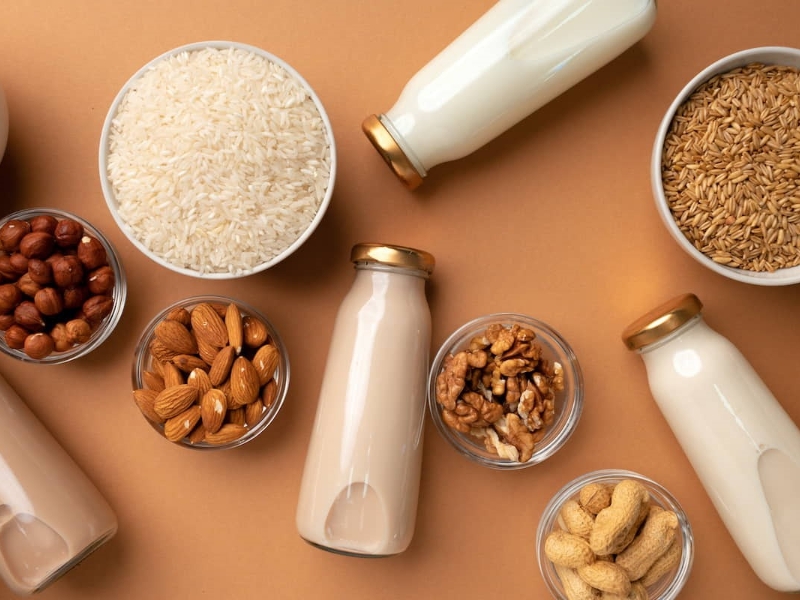
- Fortified plant milks (soy, almond, oat, and cashew milk).
Nutritional yeast
Nutritional yeast is a deactivated strain of yeast exhibiting a distinct savory, cheesy flavor profile, making it a staple across vegan culinary practices. Just two tablespoons of fortified nutritional yeast can deliver up to 15 mcg of active B12, serving as one of the most accessible and reliable ways for plant-based eaters to protect their central nervous systems.
Marine algae and seaweeds
Certain laboratory studies note that specific marine algae species contain cobalamin-like chemical compounds. However, this remains a highly debated topic within academic clinical nutrition.
Frequently discussed species include:
- Nori seaweed
- Chlorella algae
- Spirulina algae
It is critical to note that many B12 structures found in algae exist as pseudo-vitamins that lack biological activity inside the human body. Consequently, international medical organizations do not recommend relying on seaweed as an exclusive source to prevent nutritional deficiencies. Strict vegans must consult a clinical dietitian or physician to map out validated supplementation routes.
Dietary and culinary mistakes that degrade vitamin B12
Cobalamin exhibits reasonable heat stability, yet improper culinary processing and lifestyle habits can trigger significant nutrient loss:
- Excessive cooking times at high temperatures (such as prolonged boiling or heavy deep-frying) degrade 20% to 40% of the active B12 bound in meats.
- Discarding the cooking broth or juices from meat and seafood flushes away this water-soluble vitamin.
- Extended commercial deep-freezing causes a gradual, steady reduction in overall content.
- Routine alcohol consumption or chronic antacid usage severely damages intestinal walls, causing permanently impaired vitamin B12 absorption.
- Consuming massive doses of vitamin C (exceeding 1,000 mg) immediately alongside meals can structurally destroy the vitamin B12 present in your food. To prevent this chemical interference, ingest high-dose vitamin C supplements at least 2 hours apart from your core vitamin B12 foods.
- Natural B12 requires robust hydrochloric acid and intrinsic factor within the stomach to detach from food proteins. Individuals on long-term acid-suppressive medications (like proton pump inhibitors) or those dealing with atrophic gastritis frequently experience severe malabsorption despite heavy dietary intake.

To minimize nutrient degradation, prioritize fast-cooking techniques (such as short steaming or brief grilling), retain cooking juices, and avoid leaving raw ingredients at room temperature for extended periods. High-risk demographics (vegans, seniors, and patients with chronic digestive pathologies) should secure routine clinical blood panels (measuring serum B12, methylmalonic acid, and homocysteine) rather than self-prescribing random high-dose pills.
Advanced metabolic recovery and energy revitalization at Drip Hydration
If you have structured your daily meal plan to include top vitamin B12 foods but continue to battle chronic fatigue, brain fog, and muscle weakness, your body may be experiencing severely impaired vitamin B12 absorption across the gastrointestinal barrier. This physiological hurdle is highly common among older adults, individuals with undiagnosed gut inflammation, or patients transitioning away from prolonged nutritional depletion.
Under compromised absorption conditions, standard dietary modifications or oral pills fail to deliver micronutrients in sufficient quantities to fulfill cellular demands. At this stage, the body requires an advanced medical intervention that delivers essential micronutrients directly into systemic circulation for immediate utilization.
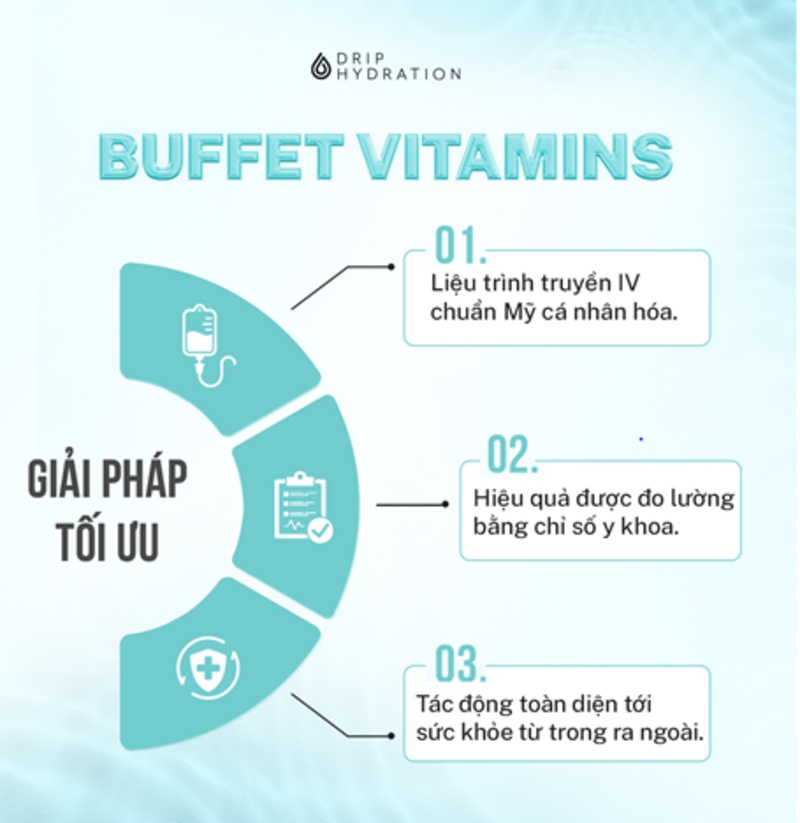
At Drip Hydration, our Energy Boost IV therapy is meticulously designed to replenish vitamin B12, B-complex vitamins, and essential micronutrients that drive energy metabolism and neurological function, effectively alleviating the aforementioned symptoms by:
- Supporting cellular energy metabolism: B-complex vitamins, including vitamin B12, serve as essential cofactors in converting dietary nutrients into usable biological energy.
- Neurological and immune fortification: Vitamin B6 and vitamin C working synergistically to support neurotransmitter synthesis, optimize cognitive health, and shield cells against oxidative stress.
- Maximal immediate bioavailability: By bypassing the gastrointestinal tract entirely, the IV pathway ensures rapid, optimal nutrient delivery even for individuals suffering from severe intestinal malabsorption.
Our therapeutic protocols at Drip Hydration are designed under rigorous US clinical standards and executed in full compliance with local medical regulations to guarantee absolute safety. Every session is supervised by a licensed medical team, and the micronutrient formulas are structurally personalized based on your objective health metrics and physical status.

Understanding which vitamin B12 foods to prioritize is the foundational key to sustaining a vibrant body, sharp cognitive functions, and a healthy cardiovascular system. Ensure your weekly menu features animal-derived powerhouses like organ meats, fresh seafood, lean meats, and quality dairy.
For individuals adhering to vegan lifestyles or navigating digestive hurdles, integrating certified fortified foods alongside advanced intravenous therapies is essential to maintain optimal vitality. Contact the Drip Hydration medical team today via our hotline at 0901885088 to schedule your clinical consultation and explore the ideal micronutrient protocol to revitalize your health.
References:
- https://ods.od.nih.gov/factsheets/VitaminB12-HealthProfessional/
- https://ods.od.nih.gov/factsheets/VitaminB12-HealthProfessional/
Bài viết của: Biên tập viên Drip Hydration