Boosting brain insulin with ALA is rapidly gaining attention due to its profound ability to support cerebral energy metabolism, enhance mental focus, and protect brain cells from oxidative stress. This article clarifies exactly how alpha-lipoic acid (ALA) influences brain insulin signaling and why this potent compound is increasingly incorporated into advanced cognitive enhancement solutions.
What is brain insulin?
Brain insulin refers to the insulin hormones present within the central nervous system, which originate from two primary pathways:
- Peripheral insulin: Secreted by the pancreas, it crosses the blood-brain barrier (BBB) via receptor-mediated transport mechanisms.
- Central insulin: A small portion of insulin can actually be synthesized directly inside the brain, particularly in areas responsible for memory formation, spatial learning, and energy regulation, such as the choroid plexus, hypothalamus, and hippocampus.

Unlike its function in skeletal muscle or liver tissue, insulin in the brain does not merely act as a “key” to shuffle glucose into cells. Instead, it functions similarly to a neural growth factor, playing vital roles in:
- Regulating energy metabolism: Assisting neurons in absorbing and converting glucose into adenosine triphosphate (ATP).
- Memory consolidation: Acting directly on the hippocampus to promote synaptic plasticity, which allows the brain to process and retain information faster.
- Cellular protection: Inhibiting programmed cell death (apoptosis) triggered by localized neurotoxins or metabolic stress.
When the brain experiences a drop in insulin sensitivity, neurons struggle to import glucose for energy production. This leaves brain cells in an energy-starved state, even if systemic blood sugar levels appear perfectly normal. Over time, this metabolic deficit can increase the accumulation of amyloid-beta plaques (a primary pathological hallmark of Alzheimer’s disease) while accelerating oxidative stress that damages neural networks. This underlying mechanism explains why many individuals begin to notice memory lapses, difficulty concentrating, forgetfulness, or chronic brain fog.
What is ALA?
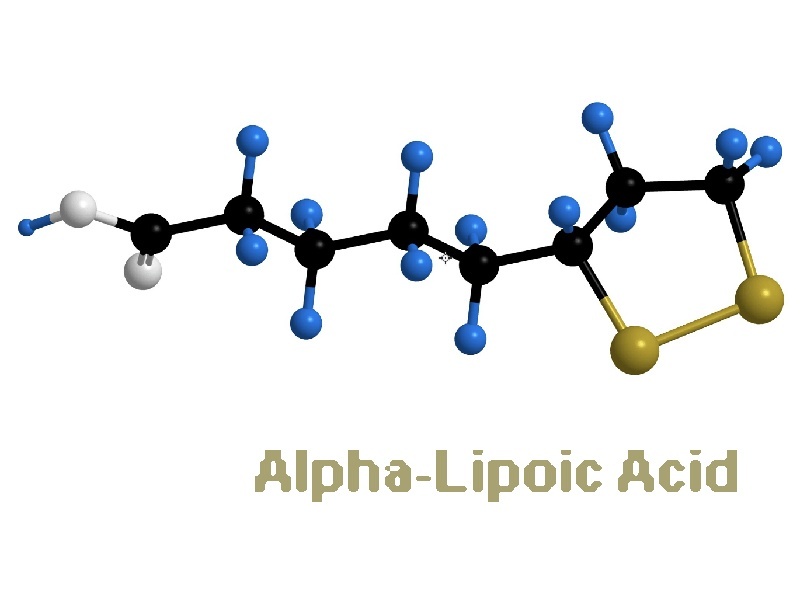
Alpha-lipoic acid (ALA) is an organic compound found naturally within the mitochondria of every cell. What sets ALA apart from other traditional antioxidants like vitamin C or vitamin E is its unique amphipathic nature, meaning it is both water-soluble and fat-soluble.
This rare characteristic allows ALA to:
- Easily cross the blood-brain barrier (BBB), the protective shield that prevents the vast majority of circulating foreign substances from entering the central nervous system.
- Regenerate other vital antioxidants, such as glutathione, vitamin C, and vitamin E, after they have been oxidized and depleted.
ALA acts as a critical coenzyme (an essential enzyme cofactor) inside the mitochondria, participating directly in the Krebs cycle to convert carbohydrates, fats, and proteins into usable ATP cellular energy.
When cellular ATP levels drop, the brain experiences:
- Rapid mental fatigue
- Decreased alertness
- Difficulty sustaining focus
- Slower cognitive processing speeds
While the human body can synthesize ALA endogenously, it does so in incredibly small quantities that steadily decline with age. Although ALA is present in dietary sources like broccoli, spinach, and red meat, achieving therapeutic concentrations capable of actively targeting brain health generally requires concentrated oral supplements or intravenous micro-nutrient therapies.
How ALA works to boost brain insulin pathways
ALA does not directly manufacture insulin molecules; instead, it optimizes how the brain utilizes available insulin through several key biochemical mechanisms.
Mechanism 1: Ameliorating brain insulin resistance
Insulin resistance is not exclusive to peripheral tissues like muscle, liver, and fat; it can manifest within the central nervous system, severely crippling the glucose utilization of neurons. ALA is recognized for its ability to mitigate this neuro-metabolic breakdown through multiple pathways.
- ALA upregulates insulin sensitivity, thereby promoting more efficient glucose uptake by cells and contributing to stable glycemic control.
- By improving insulin responsiveness in peripheral tissues, ALA reduces systemic insulin resistance, a major risk factor directly linked to cognitive decline and impaired brain energy metabolism.
- Clinical evidence suggests that ALA supports neurological function in individuals with diabetes, particularly in managing diabetic neuropathy brought on by prolonged hyperglycemia.
In Germany, ALA at a dosage of 600 mg/day has been clinically utilized as an approved treatment for diabetic neuropathy, demonstrating a significant capacity to improve symptoms linked to impaired nerve function.
Mechanism 2: Preserving blood-brain barrier integrity
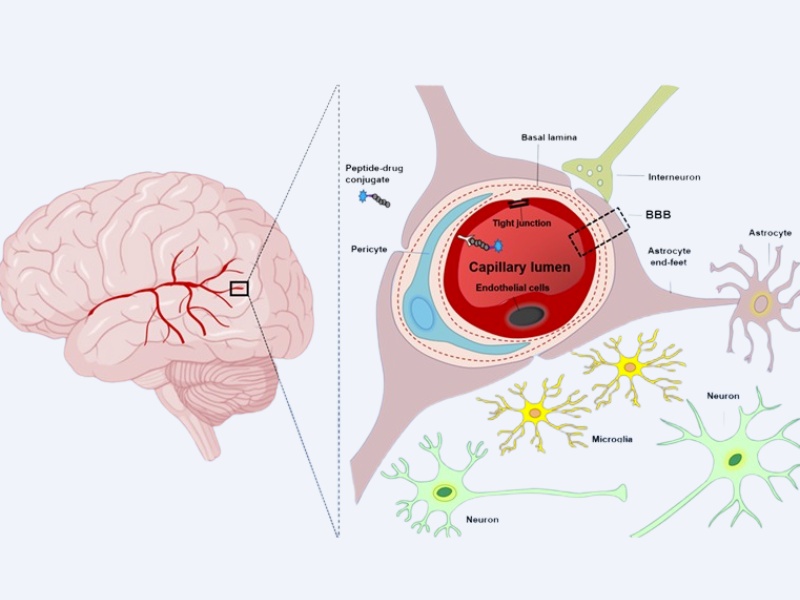
The blood-brain barrier is the primary gatekeeper regulating the transport of peripheral insulin into the central nervous system. ALA protects the structural integrity of the BBB by:
- Enhancing BBB stability: Reducing vascular inflammation and stabilizing the tight junctions between endothelial cells.
- Suppressing microglial activation: Limiting chronic neuroinflammation, which is a notorious driver of brain insulin resistance and neurodegenerative disorders like Alzheimer’s.
- Optimizing insulin transport: Maintaining the health and expression of insulin receptors at the BBB level, ensuring the steady transport of insulin into the central nervous system.
Mechanism 3: Elevating mitochondrial energy and quenching oxidative stress
As an indispensable coenzyme in mitochondrial energy production, ALA functions by:
- Driving the Krebs cycle: Integrating into mitochondrial enzyme complexes (such as pyruvate dehydrogenase and alpha-ketoglutarate dehydrogenase) to accelerate the conversion of glucose and fatty acids into ATP.
- Neutralizing mitochondrial reactive oxygen species (ROS): Directly scavenging free radicals generated during energy production, protecting the cellular machinery from metabolic wear and tear.
- Replenishing glutathione: Stimulating the primary enzymes responsible for synthesizing glutathione, the body’s most powerful endogenous cellular antioxidant.
Mechanism 4: Boosting NAD+ levels for cellular vitality
According to a study by Henderson et al. (2024) published in npj Aging:
- ALA enhances the activity of the NAMPT enzyme, which plays a pivotal role in recycling NAD+ from intracellular precursors.
- It stimulates NQO1, an important enzyme responsible for balancing the crucial NAD+/NADH ratio.
- This maintains a high-energy cellular state, alleviating cognitive fatigue and accelerating cellular recovery following severe oxidative insults.
NAD+ is a foundational molecule required for cellular energy production, DNA repair, and the regulation of cellular aging. Because of this synergy, ALA is frequently paired with NAD+ in advanced cellular regeneration and neuro-rejuvenation protocols.
Alpha-lipoic acid dosage guidelines
The ideal dosage of alpha-lipoic acid (ALA) varies based on clinical intent and individual metabolic health. According to a comprehensive clinical overview by StatPearls (2024):
- Maintenance dosage: 100 mg – 300 mg per day.
- Enhanced cognitive support: 600 mg – 1,200 mg per day.
- Intense therapeutic dosage: Up to 1,800 mg per day, administered under direct medical supervision.
For oral ALA supplementation, clinical guidelines recommend:
- Administering on an empty stomach
- Taking the dose approximately 30 minutes before a meal
ALA is widely recognized as safe for the vast majority of adults when taken at appropriate doses. The molecule can be utilized via oral delivery, topical application, or specialized intravenous infusions. Mild, transient side effects can occasionally include brief nausea, minor digestive discomfort, or a temporary skin rash.
Safe and effective methods for boosting brain insulin with ALA
There are several ways to incorporate ALA into your wellness regimen, ranging from targeted dietary adjustments and oral nutraceuticals to advanced intravenous therapies. To truly optimize brain performance, the delivery method should be chosen based on an evaluation of your systemic nutrition, metabolic status, and cognitive demands.
Dietary implementation
Foods naturally rich in ALA should be incorporated into your daily diet, including:
- Organ meats (such as liver, heart, and kidneys).
- Deep leafy green vegetables (such as spinach and broccoli).
- Rice bran and nutritional yeast.
However, the concentration of ALA found within whole foods is incredibly low (measured in micrograms), making it insufficient to trigger therapeutic shifts for individuals already suffering from brain insulin resistance. Therefore, if brain insulin resistance is suspected or diagnosed, professional oral supplementation or IV infusions are necessary to achieve meaningful outcomes.

Oral dietary supplements
Oral supplementation is the most widespread approach due to its general convenience. Currently, ALA is commercially formulated in various convenient delivery methods, including standard tablets, hard capsules, or lipid-based softgels.
That being said, oral ALA exhibits relatively low bioavailability because it is easily degraded during the digestive process, resulting in an average absorption rate of only 30% to 40%. To maximize absorption, it is universally recommended to consume oral ALA on an empty stomach, either 30 minutes before a meal or at least 2 hours following food intake.
Users must follow the dosage instructions provided by the manufacturer or their healthcare provider to ensure a safe and effective outcome.
Intravenous (IV) micro-nutrient therapy
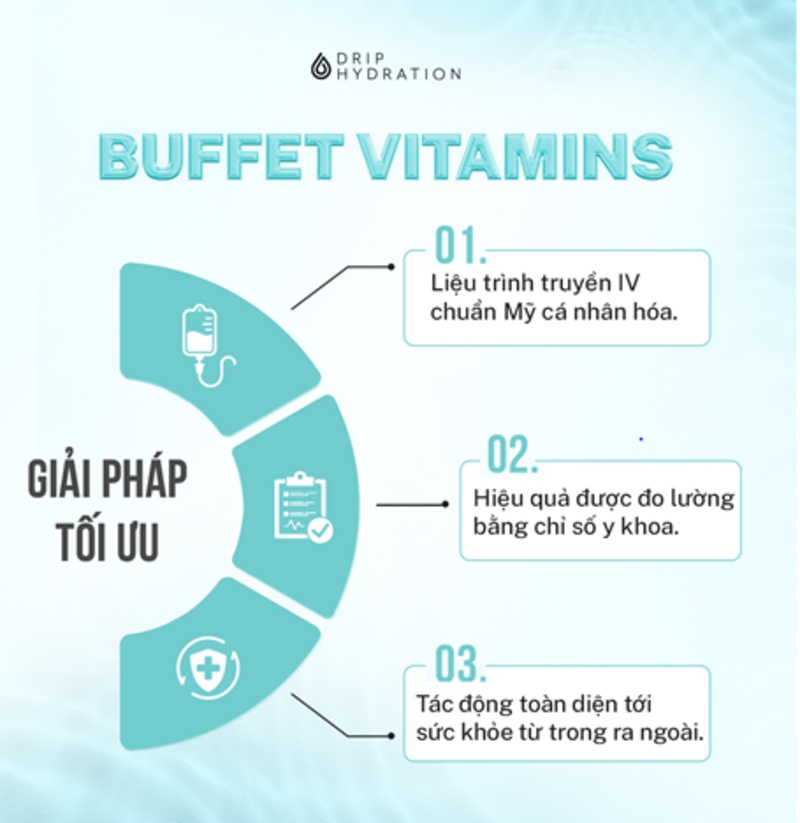
In stark contrast to traditional oral supplements, the Brain Power IV Drip at Drip Hydration delivers ALA and vital cofactors directly into the bloodstream. This method completely bypasses digestive barriers, guaranteeing maximum absorption and empowering brain cells to utilize circulating energy instantly.
The specialized IV formulation pairs ALA alongside an array of medical ingredients:
- Cerebrolysin: Supports neuro-regeneration and deeply nourishes damaged neurons.
- Glutathione: Provides elite antioxidant defense, shielding brain cells from free radicals.
- Comprehensive multivitamin blend (Vitamins A, D3, E, C, B1, B2, B6, B12, Nicotinamide, Folic Acid, Biotin, Dexpanthenol, Lecithin, Glycine): Synergizes to elevate focus, maintain neuro-cognitive functions, and reduce mental burnout.
Through this balanced combination, the Brain Power IV Drip promotes mental clarity, enhances focus, cuts through cognitive fatigue, and fuels rapid brain energy recovery. Furthermore, the protocol assists in re-establishing healthy sleep patterns, mitigating chronic occupational stress, boosting cognitive performance, and protecting brain cells against age-related decline.
At Drip Hydration, every client undergoes a comprehensive medical consultation and diagnostic assessment of their current micro-nutrient and metabolic baseline before an infusion is administered. Based on these precise results, the exact dosage of ALA and accompanying cofactors is completely personalized to optimize clinical safety and efficacy.

Contact our medical hotline at 090 1885 088 or complete our digital consultation request form to schedule an appointment with our specialists, and begin your personalized medical protocol for boosting brain insulin with ALA today.
References
- https://www.ncbi.nlm.nih.gov/books/NBK564301/
- https://www.nature.com/articles/s41514-023-00134-0
- https://pmc.ncbi.nlm.nih.gov/articles/PMC122369/
Bài viết của: Biên tập viên Drip Hydration