Tension headaches are the most frequent type of headache linked to psychological pressure, sleep deprivation, and overworking. This condition typically causes a squeezing sensation around the head, reduces concentration, and heavily impacts overall quality of life. Understanding the exact causes will help manage the pain effectively and limit recurrences.
What is a tension headache?
Tension headaches are currently the most common type of primary headache. According to the International Headache Society, nearly 70% of adults experience this condition at least once in their lifetime. Unlike migraines, the pain is usually dull, presenting on both sides of the head or at the back of the neck, creating a tight band-like sensation around the head that can last from 30 minutes to several hours.
In clinical practice, neurologists suggest that this condition is directly linked to muscle contractions in the neck, shoulders, and scalp when the body undergoes prolonged pressure. This is also a common biological response when the brain is overloaded by work or negative emotions.
According to “Association between headaches and lifestyle factors and physical and mental symptoms among 63,071 workers at a Japanese information technology company” (2025). The data from over 63,000 IT employees revealed that headaches are strongly correlated with occupational stress, prolonged sitting, and insomnia.
Characteristic warning signs
Tension headaches often develop subtly and are easily mistaken for ordinary fatigue. In fact, many individuals only recognize the condition when tension headache symptoms begin to impair their concentration and daily routines. Identifying these distinct signs early helps individuals seek timely intervention.
Dull pain affecting both sides of the head
The most prevalent sign is a dull, aching sensation or a feeling of heaviness in the head, typically localized on both sides of the temples, the forehead, or the back of the neck. Many people describe it as a continuous tightening around the head. This is a classic clinical feature that distinguishes tension headaches from other neurological headache types.
Unlike migraines, the pain usually does not throb with the pulse and rarely intensifies with physical activity. The duration of the pain can range from 30 minutes to multiple hours
Căng cứng vùng cổ, vai gáy
Nhiều trường hợp xuất hiện đồng thời tình trạng mỏi cổ, đau vai gáy hoặc cứng cơ sau thời gian làm việc kéo dài. Điều này xảy ra khi cơ vùng đầu cổ duy trì trạng thái co liên tục dưới áp lực tinh thần. Nghiên cứu “Neck and shoulder muscle strength in patients with tension-type headache: A case-control study” (NIH, 2016) khảo sát 60 bệnh nhân đau đầu do căng thẳng và 30 người khỏe mạnh.
Kết quả cho thấy nhóm bị đau đầu có tình trạng giảm sức cơ vùng cổ và vai rõ rệt hơn, đồng thời mức độ căng cứng cơ tăng theo tần suất đau đầu. Các nhà nghiên cứu nhận định co cứng cơ cổ vai gáy là dấu hiệu thường gặp ở người bị đau đầu liên quan căng thẳng kéo dài.
Tightness in the neck and shoulders
Many cases present with concurrent neck fatigue, shoulder pain, or muscle stiffness after long working hours. This occurs when the muscles in the head and neck maintain a continuous state of contraction under mental pressure.
A 2016 study titled “Neck and shoulder muscle strength in patients with tension-type headache: A case-control study” published by the NIH surveyed 60 tension headache patients and 30 healthy individuals. The results showed that the headache group experienced a distinct reduction in neck and shoulder muscle strength, and muscle tightness escalated alongside headache frequency. Researchers concluded that neck and shoulder muscle contractions are common signs in individuals with chronic stress-related headaches
Decreased work productivity and poor concentration due to prolonged stress
When the pain persists, the brain often enters a state of fatigue, making it difficult for patients to focus and causing slower reflexes than normal. This is a widespread symptom among office workers or those engaged in high-intensity mental labor.
According to a 2015 study titled “The association between stress and headache: A longitudinal population-based study” conducted on 5,159 adults, tension headache sufferers accounted for approximately 31% of the total participants. The results demonstrated that when stress levels increased by 10 points on a 0 – 100 VAS scale, the number of headache days per month rose by an average of 6% after adjusting for variables such as age, sex, BMI, and lifestyle habits.
Headache pain often intensifies significantly at the end of the day
End-of-day headaches are common among individuals under high work stress or those with insufficient sleep. The pain typically emerges after consecutive hours of intense focus, particularly in office environments. This condition tends to subside with rest or relaxation. However, if the headaches recur multiple times a week, individuals should adjust their working hours and daily routines to prevent long-term health consequences

Causes and factors influencing tension headaches
Tension headaches are primarily related to psychological pressure and prolonged muscle contractions in the head and neck region. Additionally, certain improper lifestyle habits can cause these headaches to occur more frequently.
- Prolonged psychological pressure: Chronic stress causes continuous muscle contractions in the neck, shoulders, and scalp, leading to a dull ache and a heavy sensation in the head.
- Sleep deprivation: Lacking sleep or staying up late consistently prevents the brain from recovering, exhausting the body and increasing the risk of end-of-day headaches. According to a 2017 study titled “Insomnia in tension-type headache: a population-based study” conducted on 2,695 adults in South Korea, 21.2% of the participants suffered from tension headaches. Within this group, the insomnia rate was significantly higher than in healthy individuals. Researchers suggested that sleep disorders are directly correlated with the frequency and severity of tension headaches.
- Working too long without resting: Sitting for extended periods in front of a computer easily induces neck and shoulder muscle strain, causing frequent headache recurrences.
- Improper posture: Unhealthy daily postures, such as tilting the head downward for too long or using smartphones continuously, can strain neck muscles and exacerbate headaches.
- High caffeine or stimulant consumption: Overusing coffee, energy drinks, or alcohol can disrupt sleep architecture and elevate headache risks when the body is already stressed and fatigued

Non-pharmacological management solutions
The majority of tension headache cases can be effectively improved by modifying lifestyle habits and properly managing mental pressure. Non-pharmacological approach methods help lower headache frequency and limit long-term recurrence risks.
- Securing adequate sleep and maintaining a stable sleep schedule: Sleeping 7 – 8 hours per night and avoiding late nights allows the nervous system to recover, reducing tension headache risks. Maintaining a fixed sleep schedule also minimizes the occurrence of end-of-day headaches.
- Relaxation and stress management: Methods such as deep breathing, meditation, or taking short breaks during work hours can relieve mental pressure and relax head and neck muscles.
- Regular gentle exercise: Walking, practicing yoga, or performing neck and shoulder stretches helps improve blood circulation and alleviates muscle tightness.
- Adjusting workstation ergonomics: Sitting with proper posture, placing the monitor at eye level, and taking breaks every 45 – 60 minutes reduces pressure on neck and shoulder muscles. This is a simple yet highly effective measure for office workers.
- Limiting caffeine and alcohol intake: Overusing coffee, alcohol, or stimulants can disrupt sleep and increase the risk of recurrent headaches.

Home remedies and pain relief steps
When a tension headache strikes, patients can apply several simple home measures to alleviate pain and help the body relax effectively.
- Resting in a quiet space: Limiting noise and bright lights allows the brain to unwind and reduces headache sensations.
- Applying a warm compress to the neck and shoulders: Localized heat helps relieve muscle tension and improves blood circulation in the head and neck area.
- Staying hydrated: Dehydration can exhaust the body and make headache pain more severe.
- Relaxing and breathing deeply: Slow, rhythmic breathing reduces neurological pressure and helps stabilize the body.
- Taking a break from electronic devices: Reducing screen time allows both the eyes and the brain to rest.
- Engaging in light movement: Walking or stretching neck and shoulder muscles can reduce head heaviness and muscle stiffness.
- Getting sufficient sleep: Adequate rest assists the nervous system in recovering and prevents the pain from returning

When to see a doctor
Most tension headache cases improve with rest and lifestyle adjustments. However, if the condition persists or significantly disrupts daily activities due to mental strain, patients should seek a medical evaluation to determine the exact cause.
- Headaches lasting for multiple days or recurring frequently: Continuous pain occurring several times a week can impair health and quality of life.
- Progressively worsening pain: The pain increases in severity over time or fails to improve after resting.
- Pain relievers are no longer effective: This may be a warning sign that requires an expert medical assessment.
- Headaches accompanied by dizziness, nausea, or blurred vision: Patients should monitor these signs early to rule out other neurological issues.
- Development of numbness, weakness in the limbs, or difficulty speaking: Immediate presentation to a medical facility is required for emergency care.
- Headaches following a head injury: This requires a prompt physician evaluation to avoid missing internal structural damage.
Seeking a clinical consultation at the right time helps detect underlying causes early and limits the long-term health impacts of tension headaches.
Frequently asked questions
Are tension headaches dangerous?
The majority of cases are not life-threatening. However, if they become chronic or recur frequently, this condition can severely disrupt sleep patterns, work performance, and mental well-being.
Why do I get a headache after stressful work?
Under prolonged pressure, muscles in the neck and shoulder region contract continuously, reducing blood flow and irritating pain-sensitive nerves. Additionally, elevated stress hormones make the brain more sensitive to pain.
What is the difference between a sinus headache and a stress headache?
A sinus headache is typically accompanied by nasal congestion, facial pressure, and discharge. Meanwhile, a tension headache causes a tight, squeezing sensation around the head and is clearly linked to psychological pressure or overworking.

Tension headaches are commonly associated with mental pressure, sleep deprivation, and sub-optimal lifestyle habits. Recognizing the causes early, resting properly, and managing stress can effectively reduce the frequency of the pain. If the condition persists or abnormal signs appear, patients should seek an early clinical evaluation and appropriate treatment.
If you frequently suffer from tension headaches, insomnia, mental fatigue, or feel completely overwhelmed after long periods of high-pressure work, proactively seek an early evaluation to assess your neurological status and overall health.
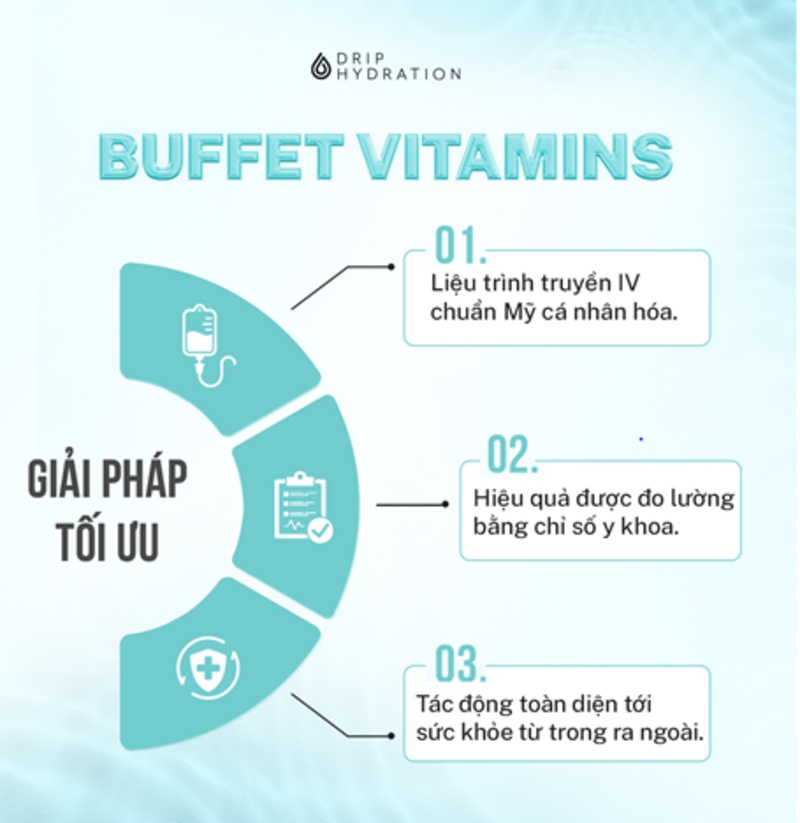
At Drip Hydration, our energy restoration and micronutrient supplementation therapies help alleviate fatigue, support neurological relaxation, and effectively improve mental well-being. Contact our hotline at 0901885088 or book an appointment today for a personalized professional consultation.
References:
- Association between headaches and lifestyle factors and physical and mental symptoms among 63,071 workers at a Japanese information technology company – 2025
- Neck and shoulder muscle strength in patients with tension-type headache: A case-control study – NIH, 2016
- The association between stress and headache: A longitudinal population-based study – 2015
- Insomnia in tension-type headache: a population-based study – 2017
- International Headache Society – Tension-type headache classification
Bài viết của: Biên tập viên Drip Hydration