Some signs of vitamin deficiency include blurry night vision, mouth ulcers, brittle hair and nails, and patchy hair loss . These symptoms are your body’s way of communicating a hidden vitamin and mineral deficiency . Identifying these signs can help you adjust your nutrition and lifestyle accordingly.
1. Common signs of vitamin deficiency
When your body lacks essential nutrients, it exhibits specific symptoms depending on the missing vitamin. However, many people struggle to identify these red flags. Recent studies point to the following key signs of vitamin deficiency:
1.1 Brittle hair and nails
1.1.1. Symptoms and features
- Brittle hair and nails typically signal a lack of vitamin B7, commonly known as biotin. Biotin helps convert daily food into cellular energy. While biotin deficiency is rare, brittle, thinning, or splitting hair and nails are its most noticeable signs.
- Risk factors include prolonged antibiotic use or certain anti-seizure medications. Regularly eating raw egg whites can also cause this deficiency because they contain avidin – a protein that binds to biotin and blocks its absorption.
1.1.2. Action steps
- Dietary adjustments: Eat biotin-rich foods like organ meats, fish, meat, dairy, leafy greens, sweet potatoes, and whole grains.
- Sử dụng các loại thực phẩm bổ sung: Người lớn bị tóc hoặc móng giòn có thể sử dụng thực phẩm bổ sung với liều dùng khoảng 30 microgam biotin mỗi ngày.
1.2. Mouth ulcers or cracked corners of the mouth
1.2.1. Symptoms and features
- Sores in and around the mouth often indicate vitamin or mineral deficiencies. This usually manifests as painful mouth ulcers or cracks at the corners of your mouth (angular cheilitis).
1.2.2. Action steps
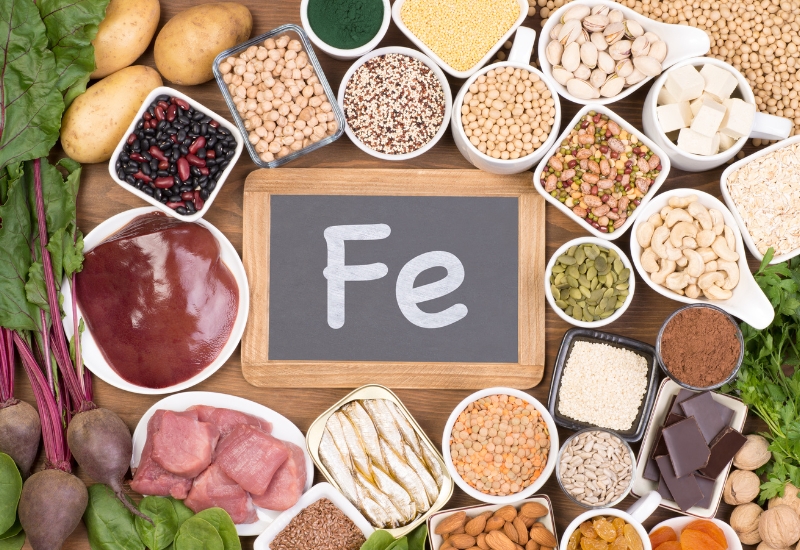
- Dietary adjustments: Boost your intake of iron-rich foods, including poultry, fish, legumes, dark leafy greens, nuts, and whole grains.
- See a doctor: If these signs persist, visit a physician. They can run blood tests to identify exactly what vitamins or minerals you are missing.
1.3. Bleeding gums
1.3.1. Symptoms and features
- ums that bleed easily after brushing can sometimes mean you are brushing too hard but it is also a classic sign of vitamin C deficiency. Vitamin C is vital for wound healing, cellular protection, and immune support.
- A severe lack of vitamin C weakens your muscles and bones, cripples your immune system, and leaves you feeling constantly exhausted and fatigued.
- Other warning signs include easy bruising, slow wound healing, dry or flaky skin, and frequent nosebleeds (epistaxis).
1.3.2. Action steps
- Dietary adjustments: To get enough vitamin C, ensure you eat at least 1.5 to 2 cups of fruit and 2 to 3 cups of vegetables daily.
1.4. Night blindness and white growths on the eyes
1.4.1. Symptoms and features
- Night blindness: This is a major sign of vitamin A deficiency, which severely reduces your vision in low light or darkness. Left untreated, it can progress to xerophthalmia (dry eye syndrome), which damages the cornea and can lead to permanent blindness.
- Bitot’s spots: Another severe sign is the appearance of Bitot’s spots—foamy, elevated white growths on the conjunctiva (the white part of the eye). These spots usually clear up within two weeks of high-dose vitamin A treatment prescribed by a doctor.
1.4.2. Action steps
- Dietary adjustments: Eat foods rich in vitamin A, such as organ meats, dairy, eggs, fish, dark leafy greens, and yellow-orange vegetables.
- Supplements: Only take vitamin A supplements if officially diagnosed and prescribed by a doctor. Since vitamin A is fat-soluble, excess amounts accumulate in body fat and can lead to toxicity.
1.5. Flaky patches and dandruff
1.5.1. Symptoms and features
- While standard dandruff is limited to the scalp, seborrheic dermatitis (severe flaky skin) can break out on the face, upper chest, armpits, and groin. Among various causes, these skin issues can be a sign of vitamin B2 and vitamin B6 deficiencies.
1.5.2. Action steps
Incorporate foods rich in vitamin B2 and B6 into your meals. Focus on poultry, meat, fish, eggs, dairy, oats, nuts, and green vegetables.
1.6. Hair loss
1.6.1. Symptoms and features
Hair loss is an incredibly common sign of nutrient deficiency. If it stems from low blood iron levels, you might also experience cold sensitivity, chronic headaches, and frequent dizziness.
1.6.2. Action steps
A daily diet packed with these nutrients can slow down or prevent hair loss
- Iron: This mineral is essential for DNA synthesis, including the DNA inside hair follicles. Low iron can stall hair growth or trigger shedding. Good sources include meat, fish, eggs, legumes, dark leafy greens, nuts, and whole grains.
- Essential fatty acids: Linoleic acid (LA) and alpha-linolenic acid (ALA) are crucial for hair growth. LA is abundant in leafy greens, whole grains, nuts, and vegetable oils.
- Biotin (Vitamin B7): Missing this B vitamin directly correlates with hair loss. Eggs and organ meats are excellent sources.

1.7. Red or white bumps on the skin
1.7.1. Symptoms and features
- Keratosis pilaris is a benign condition that causes goosebump-like rough nodules to appear on the cheeks, arms, thighs, or buttocks. These small bumps are sometimes accompanied by ingrown or twisted hairs.
- While largely genetic, this skin condition flares up in individuals with diets lacking vitamins A and C, acting as a clear sign of vitamin deficiency.
1.7.2. Action steps
Eat foods rich in vitamins A and C, such as organ meats, eggs, fish, dark leafy greens, yellow-orange fruits, and dairy products.
1.8. Restless legs syndrome
1.8.1. Symptoms and features
Restless legs syndrome (RLS), also known as Willis-Ekbom disease, is a neurological disorder that triggers uncomfortable sensations in the legs, creating an irresistible urge to move them.
RLS affects up to 10% of Americans, with women being twice as likely to develop it. While the exact cause remains unknown, recent studies link RLS symptoms directly to low blood iron levels.
1.8.2. Action steps
- Combine iron-rich foods with fruits and vegetables high in vitamin C, which significantly enhances iron absorption.
- Cook with cast-iron cookware and avoid drinking tea or coffee during meals, as these beverages block iron uptake.
- Always consult a physician before taking iron supplements. Unnecessary iron loading does more harm than good, and extreme iron toxicity can be fatal.
2. Does a vitamin deficiency drain your body’s energy? Why?
Yes, a lack of vitamins can absolutely cause your body’s energy levels to plummet. Nutrient deficiencies manifest through the symptoms listed above, draining your stamina and leaving you chronically fatigued and sluggish. Because these symptoms overlap with other medical conditions, it is critical to seek a professional medical diagnosis rather than self-diagnosing.
To confirm a deficiency, a doctor will evaluate your clinical symptoms and, in most cases, order a routine blood test to measure exact vitamin levels. Left untreated, some deficiencies trigger long-term medical complications. Timely diagnosis and clinical management are key to preventing severe health impacts.
In short, the signs of vitamin deficiency vary based on the specific nutrient missing and the severity of the depletion. Today, a premier method to combat fatigue from vitamin deficiency is ATP supplementation. ATP (adenosine triphosphate) is the vital energy-carrying molecule that transports fuel to cells for daily function. Through targeted ATP optimization, your cells can efficiently unlock the chemical potential stored within organic molecules, flooding your body with vibrant energy and life.
Source: medicalnewstoday.com – healthline.com
Bài viết của: Biên tập viên Drip Hydration