Physical exhaustion leaves you trapped in a state of persistent fatigue, diminished concentration, and heightened vulnerability to stress across both professional workflows and daily living. So, what should you do when managing physical exhaustion to reclaim your vital energy? This article provides scientifically proven methods ranging from targeted nutrition and structured rest to advanced recovery solutions, helping you restore full-body health and awaken a sharp, clear mind.
What is physical exhaustion? Distinguishing it from myasthenia gravis
Physical exhaustion is a clinical state where the entire organism enters a prolonged depletion of energy, marked by reduced somatic strength, poor cognitive performance, a heightened susceptibility to illnesses, and delayed healing after medical events. Individuals suffering from exhaustion frequently experience continuous sluggishness, disrupted sleep architecture, and a distinct loss of appetite, which can trigger secondary psychological symptoms like ambient anxiety and irritability.
This state is not an isolated disease entity but rather the physiological cumulative outcome of multiple underlying triggers, such as professional overwork, chronic psychological pressure, severe subclinical nutrient gaps, or post-viral recovery phases.

In stark contrast, myasthenia gravis is a distinct autoimmune neuromuscular disease characterized by a breakdown in communication between peripheral nerves and voluntary muscles, causing progressive muscle weakness. Patients battling myasthenia gravis typically present with localized structural symptoms, including drooping eyelids (ptosis), difficulty chewing (dysphagia), slurred speech (dysarthria), shortness of breath, or severe weakness in the limbs. The defining clinical difference is that physical exhaustion primarily relates to a global deficit in cellular energy and metabolic vitality, whereas myasthenia gravis is a targeted neurological-muscular pathology requiring immediate specialist medical diagnosis and treatment.
Consequently, when dealing with persistent full-body fatigue, many professionals find themselves seeking answers on managing physical exhaustion. The initial step demands that you listen to early biological feedback, secure proper somatic rest, and introduce complete nutritional support. Furthermore, undergoing a comprehensive clinical evaluation is highly recommended if symptoms fail to attenuate, ensuring you rule out targeted neuromuscular disorders like myasthenia gravis and establish a correct path toward holistic energy recovery.
Underlying causes and warning signs of physical exhaustion
Entering a state of physical exhaustion typically results from a combination of physiological and lifestyle variables. Prevalent underlying causes include:
- Prolonged career overexertion,
- Chronic psychological pressure,
- Sleep deprivation,
- Nutrient-deficient diets,
- Or physical inactivity.
Additionally, individuals recovering from severe infections, major surgical procedures, or those managing underlying endocrine imbalances, clinical anemia, and nervous system burnout are highly vulnerable to this metabolic decline.
The warning signs of physical exhaustion develop clearly but are frequently shrugged off as ordinary tiredness. These signs may include:
- Lethargy and a low-battery sensation despite taking breaks or resting,
- A noticeable drop in attention span,
- Emotional volatility,
- Anxiety.
Concurrently, the body may exhibit physical indicators such as a loss of appetite, unprovoked weight loss, lightheadedness, shallow sleep patterns, or a high frequency of catching minor seasonal illnesses. If these systemic manifestations remain prolonged, early intervention is essential to protect long-term health outcomes

Managing physical exhaustion: Effective home remedies for daily revitalization
When battling chronic fatigue and low energy baselines, individuals frequently search for actionable methods on managing physical exhaustion to accelerate recovery without immediately relying on prescription medications. Several simple, evidence-based home interventions can be initiated:
- Structuring a nutrient-dense diet: Actively prioritize clean whole foods exceptionally rich in lean proteins, B-complex vitamins, elemental iron, and omega-3 fatty acids to optimize ATP synthesis and elevate mood chemistry. Strictly limit fast foods, alcohol, and excess caffeine, as these substances irritate the metabolic system and worsen exhaustion long-term.
- Optimizing sleep hygiene and schedules: Secure 7 to 8 hours of restorative sleep nightly, commit to a fixed bedtime, and eliminate late-night screen time to allow the nervous system to execute cellular repair.
- Engaging in gentle physical movement: Practicing low-impact exercises such as brisk walking, yoga, meditation, or rhythmic deep-breathing techniques enhances microvascular blood circulation, de-escalates cortisol spikes, and builds natural endurance.
- Practicing active stress management: Dedicate structural time for personal hobbies, therapeutic music, reading, or mental unwinding to stabilize your emotional and cognitive balance.
- Maintaining optimal systemic hydration: Drink 1.5 to 2 liters of pure water daily to support cellular biochemical pathways and prevent ambient electrolyte imbalances that drive fatigue.
If you have implemented these daily adjustments yet your symptoms fail to show measurable improvement, pursuing a medical screening is highly necessary to check for hidden illnesses and tailor an appropriate clinical treatment plan.
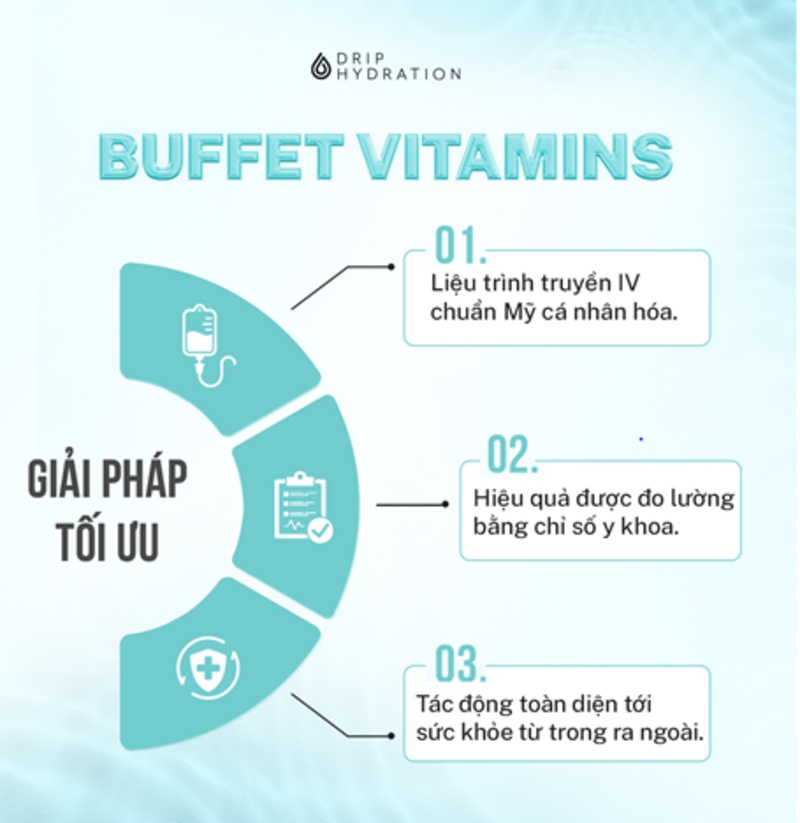
In summary, when navigating severe burnout and energy depletion, you must redirect focus toward proactive nutrition, restorative sleep, and structured physical conditioning. Don’t let prolonged exhaustion hold you back! Drip Hydration’s Energy Boost IV Therapy is designed to restore energy at the cellular level with a targeted blend of essential vitamins and micronutrients. Consult our physicians today to receive a personalized wellness plan that addresses fatigue from the inside out. Hotline: 0901 885 088.
References
- Harvard Health Publishing
- National Institutes of Health (NIH)
- Mayo Clinic Proceedings
- Cleveland Clinic
Bài viết của: Biên tập viên Drip Hydration