The number of Dengue fever cases in Ho Chi Minh City has been rising sharply since the beginning of 2026, signaling a high risk of an early and prolonged disease outbreak. Public health authorities urge the population to remain vigilant, proactively practice prevention, and closely monitor their health during this peak period.
Ho Chi Minh City Records Over 5,200 Dengue Fever Cases Since the Start of the Year
According to the Ho Chi Minh City Center for Disease Control (HCDC), during just the third week of 2026, the city documented 1,430 Dengue fever cases, driving the cumulative total since the beginning of the year up to 5,228 cases.
Notably, multiple areas have recorded incidence rates exceeding 100 cases per 100,000 residents, with heavy clusters concentrated in communes and wards such as Binh Hung Hoa, Tay Nam, and An Nhon Tây. This epidemiological data indicates that the virus is no longer appearing in scattered, isolated clusters but has shown definitive signs of widespread community transmission.
In tandem with this surge, Ho Chi Minh City has also logged over 830 cases of hand, foot, and mouth disease (HFMD). Although this represents a slight decline compared to previous weeks, it remains classified among the infectious diseases requiring stringent monitoring throughout the outbreak season

Ho Chi Minh City Health Authorities Escalate Disease Control Measures
Faced with the mounting caseload, the city’s public health sector has concurrently deployed multiple containment and prevention strategies, including:
- Intensifying epidemiological disease surveillance within local communities.
- Investigating, mapping out, and managing localized outbreaks at an early stage.
- Conducting vector control through chemical insecticide spraying (mosquito misting) in high-risk zones.
- Coordinating with local authorities to mobilize residents to eliminate mosquito breeding sites and sanitize the surrounding environment.
These disease prevention campaigns are being implemented proactively to lower the density of disease-carrying mosquitoes and mitigate the risk of a large-scale, widespread epidemic.
Why Does Dengue Fever Remain a Persistent Threat in Major Urban Centers?
Dengue fever is transmitted through the bite of the Aedes aegypti mosquito – a species that is highly active during daylight hours and breeds primarily in standing water around homes and in the gaps between neighborhood houses.
According to medical experts, the transmission of the Dengue virus is no longer strictly seasonal as it once was. Rapid urbanization, high population density, and climate change have created ideal conditions for mosquitoes to breed year-round, particularly in major metropolitan areas like Ho Chi Minh City.
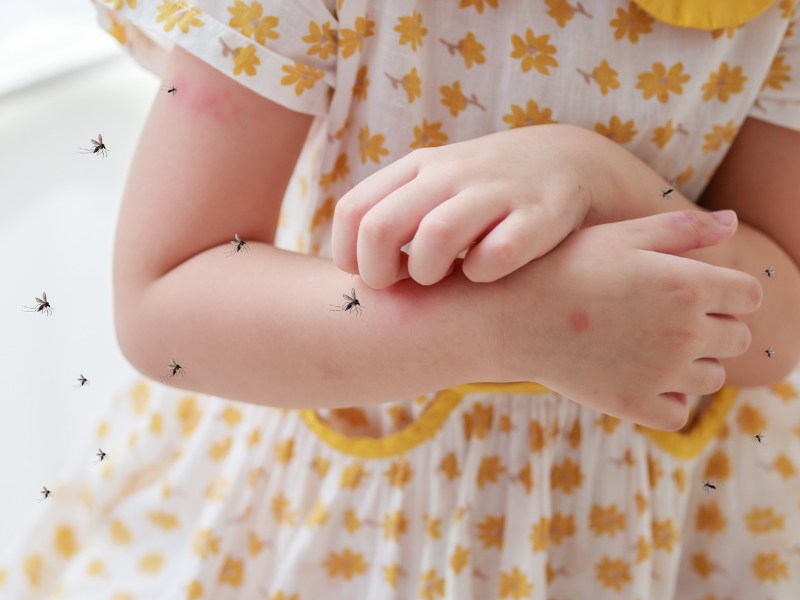
Critical Signs of Dengue Fever Requiring Early Monitoring
The public should be alert to common symptoms of Dengue fever, which include:
- An abrupt, sudden high fever that is difficult to lower with standard antipyretics (fever reducers).
- Severe headache, myalgia and arthralgia (muscle and joint pain), and retro-orbital pain (pain behind the eyes).
- Nausea, profound fatigue, and skin rashes.
During the critical phase, the illness can progress to severe Dengue, manifesting as epistaxis (nosebleeds), bleeding gums, oliguria (decreased urine output), and lethargy. Upon detecting any abnormal warning signs, especially in children, older adults, or individuals with pre-existing medical conditions, patients must report to a healthcare facility for timely clinical evaluation and management to avoid dangerous, life-threatening complications.
Essential Prevention Measures the Public Should Know
To minimize the risk of contracting Dengue fever, prevention strategies should be practiced concurrently. Below are two crucial, easily applicable methods for daily life:
Mosquito Control and Environmental Management
- Eliminate all standing water containers inside and around residential areas.
- Scrub and clean water jars, tanks, and storage containers on a regular basis.
- Always sleep under mosquito nets and take steps to prevent mosquito bites, particularly during the day.
Supporting Immune Resistance and Overall Wellness
In addition to managing the vectors that transmit the disease, maintaining physical stamina and a stable immune system plays an important role during an outbreak season. General wellness recommendations include:
- Supplementing Vitamin C and Vitamin D to support optimal immune cell activity.
- Ensuring adequate intake of Zinc and B-complex vitamins, which participate in the body’s recovery process following an infection.
- Maintaining a diet rich in green leafy vegetables, fresh fruits, and dietary antioxidants.
- Getting sufficient sleep, managing stress levels, and engaging in light physical exercise.
For high-risk groups, tailoring a personalized nutritional and wellness plan should be aligned with their specific health status, utilizing professional medical consultation from healthcare providers when necessary.

Advisories from Public Health Officials
Ho Chi Minh City health authorities emphasize that the public must not underestimate the evolving nature of the outbreak. It is vital to consistently maintain mosquito control measures, monitor personal health closely, and seek early medical evaluation at the first sign of suspected symptoms.
Seamless, coordinated cooperation among individuals, families, and the community is viewed as the linchpin factor to lower transmission risks and safeguard public health throughout the 2026 outbreak season
References: https://www.sggp.org.vn/gia-tang-so-ca-mac-sot-xuat-huyet-tai-nhieu-xa-phuong-post834807.html
Bài viết của: Biên tập viên Drip Hydration