Are relentless deadlines and the pressures of everyday life leaving you emotionally drained and completely exhausted? Don’t keep pushing yourself when your body is already telling you it has reached its limit. This article will help you understand what to do during burnout recovery, while introducing practical strategies to restore your energy and regain balance.
The fundamental difference between ordinary physical fatigue and burnout
Many people confuse ordinary physical fatigue with burnout. Although both can leave you feeling drained, they are fundamentally different conditions.
Physical fatigue is a normal physiological response after strenuous activity, overwork, or lack of sleep. In most cases, a good night’s sleep or several days of rest are enough for your body to restore its energy.
Burnout, by contrast, develops after prolonged exposure to chronic stress and ongoing psychological pressure. At this stage, even sleeping eight hours a night or taking a relaxing vacation may not relieve the persistent feelings of emotional exhaustion, emptiness, and lack of motivation.
The four hidden stages of burnout
Burnout does not happen oneday. Instead, it develops gradually, silently affecting both the body and the mind through four progressive stages.
Stage 1
Everything often begins when you take on a new job or pursue a new goal with enthusiasm and determination. Wanting to prove yourself, you willingly accept more responsibilities, work overtime, and sacrifice time for rest.
At this stage, you may feel full of energy. In reality, however, your body is placing excessive demands on its energy reserves while operating under increasing physiological stress.
Stage 2
As stress continues to build, the initial excitement gradually fades and the first warning signs begin to appear. You may start having trouble sleeping, find it difficult to concentrate, and become more irritable with coworkers, family members, or friends.
Stage 3
By this point, stress is no longer temporary, it has become your everyday state. Your body begins sending stronger warning signals, including: persistent fatigue despite getting enough sleep, frequent headaches, chronic neck and shoulder pain, and a noticeable decline in immune function.
You may also feel helpless, lose motivation to work, and gradually withdraw from social interactions while avoiding responsibilities.
Stage 4
This is the most severe stage of burnout, when both your physical and psychological coping mechanisms become overwhelmed. You may experience profound emotional emptiness, an existential crisis – a psychological state in which a person persistently questions the meaning, purpose, or value of life or even their own existence – and a significant loss of self-confidence.
Left unaddressed, severe burnout can negatively affect not only your career but also your overall health, increasing the risk of serious mental health conditions such as depression and anxiety disorders, as well as stress-related cardiovascular and metabolic diseases.

What to do when you’re experiencing burnout
When your body and mind become completely depleted after prolonged work-related or life stress, forcing yourself to keep going will only make the situation worse.
To support burnout recovery, it is important to take proactive, evidence-based steps to restore both your physical and mental well-being.
- Allow yourself to rest and recover. The first and most important step is acknowledging that your body has reached its limit. Put aside tasks that are not immediately urgent, establish clear boundaries between work and personal life, and give yourself the time and space needed to recover.
- Rebuild healthy sleep habits. Sleep is one of the body’s most powerful natural recovery mechanisms. Maintain a consistent sleep schedule, avoid electronic devices for at least 30 minutes before bedtime, and keep your bedroom dark, quiet, and comfortably cool to promote deep, restorative sleep.
A 2010 study, Sleep and Brain Energy Levels: ATP Changes During Sleep by Markus Dworak, directly measured levels of adenosine triphosphate (ATP) – the body’s primary energy molecule – in highly active regions of the brain. The researchers found that ATP concentrations increased by approximately 200% to 300% during the first few hours of deep sleep, suggesting that deep sleep functions as a rapid “recharging” mechanism for the brain. When this sleep cycle is repeatedly disrupted, the brain may remain in a prolonged state of exhaustion the following day.
- Engage in gentle physical activity and spend time in nature. Instead of high-intensity workouts that may place additional stress on the body, choose activities such as walking, yoga, or meditation. Spending just 15 to 20 minutes in a natural environment can help calm the nervous system and promote emotional recovery.
- Improve your diet. Limit stimulants such as caffeine, alcohol, and highly processed, sugary foods. Although these may provide a temporary energy boost, they are often followed by a significant energy crash. Instead, focus on eating nutrient-rich foods that provide essential vitamins and minerals, while staying well hydrated to support normal cellular function.
A 2016 study, Effects of B Vitamins and Magnesium on Fatigue, Disease Activity and Quality of Life in Inflammatory Bowel Disease by E. Ramezani and colleagues evaluated the effects of vitamin and mineral supplementation in individuals experiencing persistent fatigue. After four weeks of combined magnesium and B-complex vitamin supplementation, participants demonstrated a 28.4% improvement in Fatigue Assessment Scale scores compared with the control group.

When should you seek professional mental health support?
Feeling stressed or emotionally overwhelmed is a normal part of life. However, when these emotions become persistent or begin interfering with your daily functioning, seeking professional support is an important step toward recovery.
You should consider scheduling an appointment with a mental health professional if you experience any of the following:
- Persistent emotional distress. Feelings of sadness, anxiety, emptiness, or unexplained anger continue for more than two weeks without showing signs of improvement.
- A significant decline in quality of life. Chronic insomnia, frequent nightmares, excessive sleeping, loss of appetite, or overeating begin affecting your physical health and everyday functioning.
- Social withdrawal and reduced performance. You lose interest in activities you once enjoyed, isolate yourself from family and friends, avoid social interactions, and notice a clear decline in your work or academic performance.
- Persistent negative thoughts. You frequently feel hopeless, helpless, guilty, or begin experiencing thoughts of self-harm.
Frequently asked questions about burnout
How long does burnout recovery take, and how can you recover more quickly?
There is no single timeline for burnout recovery. Depending on its severity and how early it is addressed, recovery may take several weeks, several months, or even years if the underlying sources of chronic stress remain unresolved.
To support a faster and more sustainable recovery, consider making the following long-term lifestyle changes:
- Establish healthier boundaries between work and personal life.
- Learn to say no to unnecessary demands.
- Prioritize genuine periods of rest and recovery.
- Follow a nutrient-rich diet that supplies essential vitamins and minerals needed to support cellular repair and overall health.
Recovering from burnout is not something that happens overnight. It is a gradual process that requires patience, consistency, and a willingness to listen to your body’s signals. Depending on the severity of your condition, regaining your energy and emotional well-being may take weeks, months, or even longer.
Rather than becoming frustrated by slow progress, pay attention to small improvements along the way. If symptoms persist or significantly interfere with your daily life, consulting a healthcare professional or licensed mental health provider can help you develop a safe, individualized recovery plan.
Is there a way to support nervous system recovery more effectively?
When the brain remains in a prolonged state of chronic stress, conventional recovery strategies such as getting more sleep or taking time off may no longer be enough to fully restore energy levels. In these situations, some individuals may benefit from more comprehensive medical evaluation and personalized treatment based on the underlying cause of their symptoms.
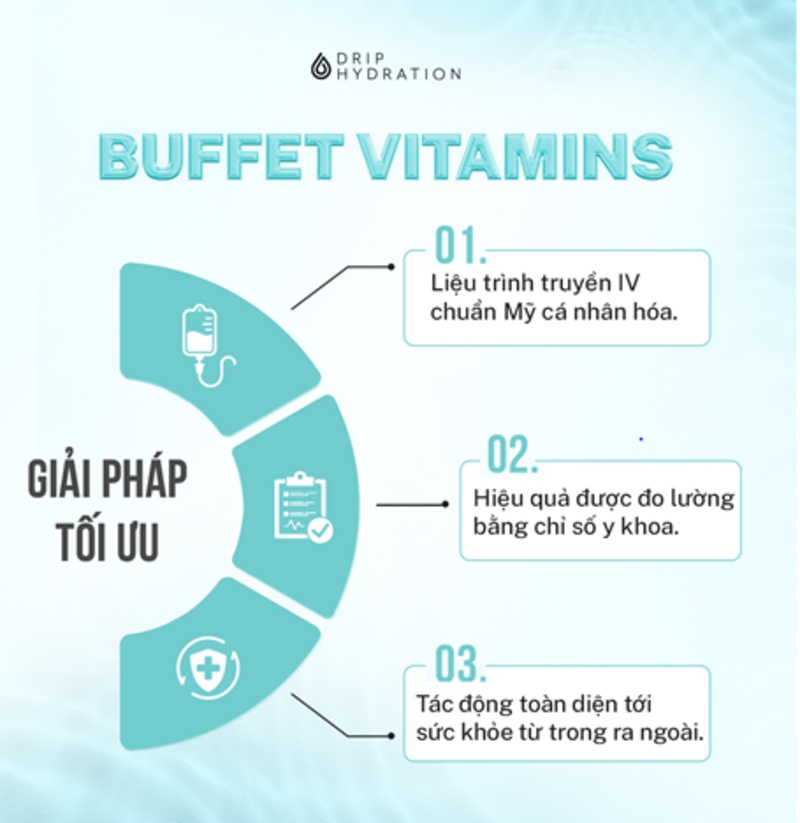
One approach that has gained attention is intravenous (IV) nutrient therapy, which delivers selected vitamins and minerals directly into the bloodstream, bypassing the digestive tract. Depending on an individual’s nutritional status and medical condition, IV therapy may be recommended by a healthcare professional as part of a broader treatment plan.
Compared with oral supplementation, IV nutrient therapy may offer several potential advantages in appropriately selected patients.
- Direct delivery into the bloodstream. Nutrients bypass the digestive system and become immediately available for circulation throughout the body.
- Rapid replenishment of certain nutrients. In individuals with clinically confirmed deficiencies or impaired nutrient absorption, IV administration may restore nutrient levels more efficiently than oral supplements.
- Personalized medical care. IV nutrient therapy should always be prescribed and administered under the supervision of qualified healthcare professionals, with treatment tailored to each patient’s medical history, nutritional needs, and overall health status.
The Energy Boost IV Therapy program is formulated with key vitamins that support normal energy metabolism and nervous system function, including:
- Vitamin B Complex. B vitamins play an essential role in converting food into usable cellular energy while supporting healthy nerve function and normal brain activity.
- Vitamin B6. Vitamin B6 contributes to the synthesis of important neurotransmitters, including serotonin and dopamine, which help regulate mood, emotional well-being, and sleep.
- Vitamin C. As a powerful antioxidant, vitamin C helps protect cells from oxidative stress while supporting immune function and normal physiological recovery.
If you would like to learn more about the Energy Boost at Drip Hydration, please contact our healthcare team for a personalized consultation to determine whether this treatment is appropriate for your individual health needs. Hotline 0901885088.
Persistent fatigue is often a signal that your body needs time to recover rather than simply push through. Supporting burnout recovery requires more than temporary rest – it involves adopting healthier lifestyle habits, maintaining balanced nutrition, managing stress effectively, and seeking professional care when necessary. A comprehensive, evidence-based approach can help restore energy, improve overall well-being, strengthen immune function, and enhance long-term quality of life.
References:
- “Sleep and Brain Energy Levels: ATP Changes During Sleep” (2010) – The Journal of Neuroscience
- “Effects of B vitamins and magnesium on fatigue, disease activity and quality of life in inflammatory bowel disease” (2016) – Scientific Reports
Bài viết của: Biên tập viên Drip Hydration