Experiencing fatigue, poor focus, and midday drowsiness is a common hurdle for high-intensity professionals. Exploring effective alertness drinks is not merely about finding a temporary chemical stimulant; it requires understanding brain biochemistry and sustaining stable energy levels for cognitive performance. This article provides an evidence-based medical analysis of functional beverages that support cognitive alertness while sustainably optimizing daily productivity.
Adenosine and how caffeine modulates cognitive alertness
Before evaluating which specific fluids to consume, it is essential to understand that alertness does not rely on a single lifestyle factor. Instead, it is governed by two interconnected physiological mechanisms: systemic cellular energy reserves and homeostatic sleep pressure driven by adenosine accumulation.
Systemic fatigue and cognitive decline manifest when your body lacks cellular fuel and your brain simultaneously accumulates biological “rest requirement” signals over extended periods of wakefulness.
Adenosine: The endogenous drowsiness driver
During continuous daily activities, neurons constantly expend metabolic fuel. This cellular energy consumption generates a biological byproduct known as adenosine. The longer you remain awake, the more adenosine accumulates within cerebral tissues.
When adenosine binds directly to specific neural receptors, it signals that the body is exhausted and requires restorative sleep. Over time, this binding process triggers:
- Persistent drowsiness
- Diminished concentration thresholds
- Delayed cognitive reflexes and slower processing speeds
- Reduced professional output
This mechanism is a protective, natural physiological response designed to safeguard the brain against metabolic overexertion.

How caffeine alters neural perceptions
Caffeine possesses a molecular structure remarkably similar to adenosine, allowing it to bind to identical adenosine receptors in the brain. However, unlike adenosine, caffeine does not activate drowsiness signaling pathways.
Once caffeine enters the bloodstream and crosses the blood-brain barrier, it actively competes with and displaces adenosine at these receptor sites. Blocking adenosine from binding suppresses the neurological perception of tiredness. This chemical blockade results in:
- Elevated cognitive alertness
- Sharper short-term concentration
- Accelerated physical and mental reflexes
- Temporarily enhanced workplace performance
Importantly, caffeine does not degrade adenosine; it simply blocks the sleep pressure signal. Once caffeine is metabolized, the accumulated adenosine floods back into the receptors, triggering a severe energy crash and profound fatigue.
5 science-backed alertness drinks for sustainable energy
Optimal alertness drinks should maintain cognitive clarity without disrupting sleep architecture, overstimulating adrenaline, or causing blood sugar spikes. Here are 5 smart, science-backed alternatives:
1. Green tea
Green tea stands out as a premier beverage for sustained cognitive clarity. According to clinical data published by Harvard Health, green tea features an optimal natural synergy between caffeine and L-theanine:
- Caffeine: Boosts mental focus and actively reduces midday sleepiness.
- L-theanine: A unique amino acid capable of crossing the blood-brain barrier to stimulate alpha brain waves, which induce a state of relaxed yet sharp alertness. L-theanine slows down caffeine absorption kinetics, effectively preventing the jitteriness, vascular palpitations, and acute anxiety often triggered by concentrated black coffee.
This balance delivers a smoother, more sustained energy curve compared to standalone caffeine sources. However, because cumulative caffeine intake can stack throughout the day, sensitive individuals should remain mindful of late-afternoon consumption. Clinical recommendation: 1 to 3 cups of green tea daily provides focus optimization with minimal nervous system overstimulation.

2. Water
A landmark clinical study published in The Journal of Nutrition evaluated the direct impact of mild dehydration on cognitive performance across healthy adults. The data revealed that losing a mere 1% of total body water significantly degrades attention spans, short-term memory retrieval, and emotional mood baselines. This confirms that even subclinical dehydration directly compromises cognitive executive function and alertness.
Water is the primary vehicle that transports oxygen and vital nutrients to cerebral tissues. When dehydration occurs:
- Cerebral blood flow decreases
- Systemic metabolic rates drop
- Neuronal processing efficiency plummets
For desk-bound professionals, maintaining consistent hydration throughout the day is a more foundational milestone for focus than any artificial stimulant.
Clinical guidelines:
- Ingest 30 to 35 ml of water per kilogram of body weight daily,
- Distributed evenly across waking hours,
- And consume fluids proactively before acute thirst signals emerge.
3. Low-sugar fruit smoothies
The brain relies heavily on circulating blood glucose as its primary fuel source. However, maintaining focus requires this glucose to be delivered at a steady, balanced pace rather than through erratic spikes and crashes.
Targeted nutrient-dense smoothies featuring bananas, wild blueberries, fresh strawberries, and crisp apples provide a continuous, gradual stream of energy. These fruits are rich in:
- B-complex vitamins
- Potent cellular antioxidants
- Dietary soluble fiber
- Low-glycemic, slow-absorbing carbohydrates
This biochemical combination ensures steady energy release, minimizing fatigue while supporting extended concentration.
Clinical notes: Avoid adding refined table sugars, commercial syrups, or sweetened condensed milk, which induce rapid hyperglycemia followed by a severe energy crash. Limit intake to a single 250 – 350 ml serving daily as a healthy snack alternative.

4. Pure cacao
Pure cacao is an exceptional choice among functional alertness drinks, perfectly suited for individuals requiring prolonged focus without the heavy vascular stimulation of high-dose caffeine.
Raw cacao contains two key bioactive compounds that optimize neural performance:
- Flavonoids: Significantly improve cerebral blood flow by promoting nitric oxide-mediated vasodilation. This process enhances oxygen and nutrient delivery to neurons, lowering cognitive fatigue induced by poor circulation.
- Theobromine: A gentle central nervous system stimulant that delivers an even, long-lasting alert sensation. It lacks the sharp vasoconstrictive properties of caffeine, making it far less likely to cause cardiac palpitations or physical jitters.
This compound network ensures steady focus across extended working or learning sessions without a subsequent energy crash.
Clinical guidelines: Prioritize 5 to 10 g of pure, unsweetened cocoa powder daily, mixed into warm water or unsweetened plant milks, ideally consumed in the morning or early afternoon.
5. Ginseng tea
Ginseng tea serves as a potent botanical beverage to stabilize energy levels, especially when navigating prolonged psychological burnout.
Ginseng contains highly active compounds known as ginsenosides, which function as true adaptogens. These molecules modulate the hypothalamic-pituitary-adrenal (HPA) axis, regulating the body’s physiological stress response and keeping circulating cortisol parameters within a balanced threshold.
Consequently, ginseng tea helps:
- Mitigate chronic burnout induced by long-term stress.
- Maintain consistent cognitive alertness throughout the day.
- Improve concentration under intense workplace pressures.
Unlike caffeine’s rapid stimulation, ginseng provides deep, adaptive metabolic support, making it ideal for professionals facing heavy mental workloads. Clinical guidelines: Consume 1 to 2 cups of structured ginseng tea daily, equivalent to roughly 200 – 400 ml.

3 beverages to avoid to prevent a severe midday energy crash
Many professionals mistakenly grab high-sugar drinks or heavy stimulants to shake off sudden drowsiness, unaware that these options worsen systemic exhaustion over time.
1. High-sugar energy drinks
Commercial energy drinks deliver immediate alertness by combining high-dose caffeine with massive sugar loads. However, this extreme sugar surge triggers rapid hyperglycemia, creating a brief illusion of high stamina. To restore homeostatic balance, the pancreas releases a massive surge of insulin. This insulin spike causes a rapid blood sugar crash (reactive hypoglycemia), leaving you deeply fatigued, sluggish, and completely drained midway through your day.
2. Concentrated black coffee on an empty stomach
Ingesting dense caffeine before consuming breakfast triggers immediate alertness but yields short-lived benefits. A sudden influx of caffeine raises cortisol and adrenaline levels, causing physical tremors, rapid heart rates, and rebound fatigue as the compound clears. Furthermore, caffeine holds mild diuretic properties; failing to counter it with water induces mild dehydration, causing poor concentration and brain fog by early afternoon.
3. Alcohol and evening beverages
While alcohol may accelerate sleep onset, it severely damages overnight sleep architecture. Ethanol disrupts deep sleep and rapid eye movement (REM) cycles – the exact windows where the central nervous system flushes metabolic waste and consolidates cognitive data. Consequently, despite securing an adequate number of hours in bed, you wake up feeling physically unrefreshed, mentally unalert, and struggling to focus.
Is relying solely on functional beverages sustainable?
While green tea, ginseng, and pure cocoa offer valuable short-term support for focus, experiencing constant exhaustion indicates that your fatigue cannot be resolved by caffeine or hydration alone.
Systemic cellular energy is a complex reflection of sleep architecture quality, ongoing psychological stress, mitochondrial health, and underlying micronutrient depletions. Relying entirely on oral drinks fails to address deep, long-term cellular deficits.
For high-intensity professionals managing chronic burnout, securing a comprehensive metabolic evaluation and utilizing advanced cellular supplementation is a far more effective healthcare strategy.
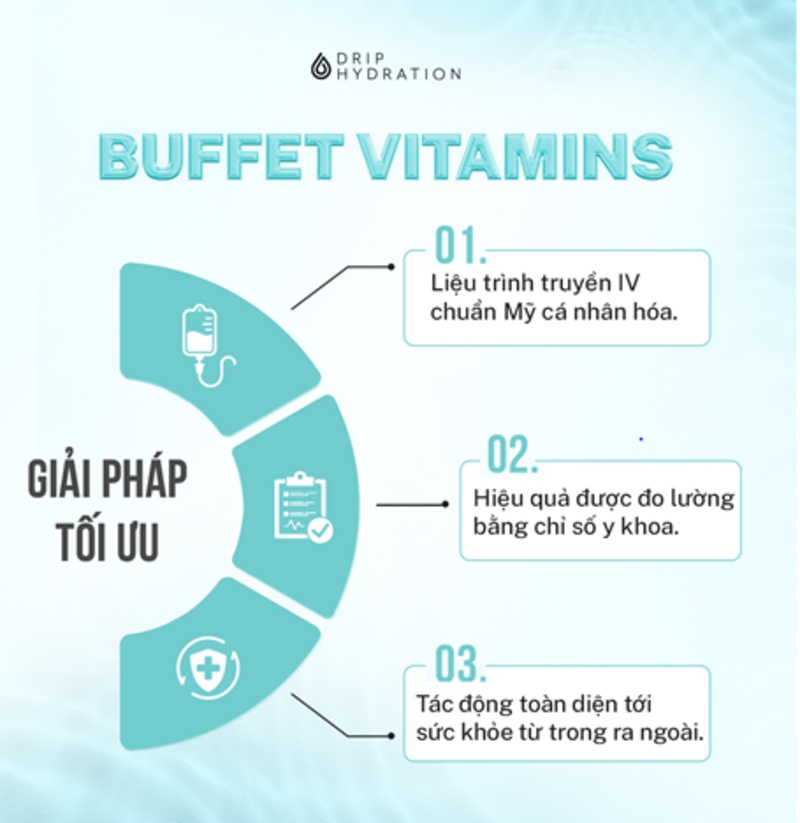
The Energy Boost at Drip Hydration is engineered to directly reverse chronic fatigue by delivering essential cofactors straight into systemic circulation. The customized formula contains:
- Vitamin B complex: Restores mitochondrial respiration to drive efficient energy conversion.
- Vitamin B6: Supports key neurotransmitter pathways to stabilize mood and enhance focus.
- Vitamin C: Delivers high-dose antioxidant protection against work-induced oxidative stress.
By providing the exact building blocks required for cellular respiration, this therapy rapidly resolves long-term uể oải, low stamina, and physical exhaustion. This clinical protocol is highly indicated for:
- Professionals experiencing chronic energy depletion and cognitive burnout.
- Individuals recovering from systemic illnesses or major clinical procedures.
- Executives and intellectual workers navigating high-stress workloads.
Drip Hydration administers all therapies under strict US clinical guidelines, utilizing premium ingredients tailored to your specific biochemical metrics. Contact our medical team today via the hotline at 090 1885 088 to schedule your physician consultation.

When evaluating optimal alertness drinks, the answer does not lie in aggressive, short-lived stimulants, but in evidence-based choices that supply steady energy to the brain. Alongside proper beverages, remember that deep restorative sleep, balanced nutrition, and robust metabolic health form the true foundation of daily vitality.
References:
- Harvard Health – Does drinking tea really help health? https://www.health.harvard.edu/healthy-aging-and-longevity/does-drinking-tea-really-help-health
- Lieberman HR et al., 2016: Hydration status and cognition: effects of mild dehydration on cognitive performance and mood. https://pubmed.ncbi.nlm.nih.gov/26869683/
Bài viết của: Biên tập viên Drip Hydration