Prolonged fatigue, impaired concentration, or feeling “drained” despite adequate rest could very well be signs of hormonal imbalances affecting your cellular energy levels. In the body, hormones do not merely play basic physiological roles; they act as the essential “keys” that regulate metabolism, energy production, and overall energy expenditure. So, how does hormonal balance for energy actually work?

1. Hormones – The body’s energy command center
The endocrine system is a complex network of glands that produce hormones – biological messengers that coordinate almost all vital functions, including metabolism, growth, mood, and cellular energy levels.
Hormones such as estrogen, progesterone, testosterone, insulin, leptin, cortisol, and thyroid hormones are directly involved in:
- Regulating how glucose and fats are metabolized into usable energy.
- Modulating physiological cues for hunger, satiety, alertness, and sleep.
- Influencing the basal metabolic rate.
- Supporting energy production within the mitochondria – the “powerhouses” of the cells.
A healthy endocrine system operates like sophisticated clockwork. Achieving and maintaining hormonal balance for energy helps the body sustain optimal vitality, mental clarity, and efficient cellular recovery.
Conversely, hormonal imbalances can disrupt these metabolic pathways, potentially leaving you feeling chronically fatigued, prone to unexplained weight changes, lacking focus, and experiencing sleep or mood disturbances.
2. Why is hormonal balance for energy crucial? What is the underlying mechanisms?
2.1. Estrogen and cellular energy
Estrogen acts on the hypothalamus – a key energy coordination center – and supports insulin sensitivity. When estrogen levels fluctuate or decline (due to perimenopause/menopause, chronic stress, or poor nutrition), the cells’ efficiency in utilizing glucose can decrease, often leading to lower systemic energy levels.
2.2. Cortisol – The interface between stress and energy
Cortisol helps the body cope with acute stress by releasing glucose into the bloodstream for immediate use. However, if cortisol levels remain chronically elevated (due to prolonged stress), it disrupts stable energy metabolism, potentially contributing to chronic fatigue, sleep disturbances, and visceral fat accumulation.
2.3. Insulin, thyroid hormones, and metabolism
Insulin and thyroid hormones regulate how the body uses and stores energy. An imbalance in these hormones can disrupt blood glucose regulation and slow the basal metabolic rate, leaving you feeling fatigued and lacking vitality despite consuming a nutrient-dense diet.
3. How to achieve hormonal balance for energy?
3.1. Lifestyle adjustments – An indispensable foundation
- Prioritize restorative sleep: Adequate, deep sleep helps regulate cortisol, supports human growth hormone (HGH) production, and balances appetite-regulating hormones like leptin and ghrelin.
- Manage stress: Practices such as meditation, yoga, and deep breathing help lower cortisol and support serotonin production – facilitating stable energy.
- Engage in consistent exercise: A combination of cardiovascular and strength training increases insulin sensitivity and promotes the release of endorphins – neurotransmitters that support a sense of well-being.
- Anti-inflammatory, nutrient-dense diet: Consume adequate high-quality protein, healthy fats (like omega-3s), and fiber, while minimizing refined carbohydrates and excessive caffeine intake.
3.2. Supplementing essential micronutrients – Supporting endocrinology and metabolism
The following micronutrients have been shown to support endocrine regulation and promote hormonal balance for energy:
- B-complex vitamins (B1, B6, B12): Support cellular metabolism and cognitive function.
- Magnesium: Supports nervous system regulation and muscle relaxation.
- Vitamin C: Provides essential antioxidant defense, mitigating cellular oxidative stress.
- CoQ10 & L-Carnitine: Support efficient ATP production within the mitochondria.
- Glutathione: Aids in cellular detoxification and neutralizes systemic oxidative stress.
To optimally obtain these micronutrients, individuals can rely on a balanced diet, oral dietary supplements, or direct intravenous (IV) nutrient therapy. Among these, IV therapy is a highly efficient approach; when the body faces gastrointestinal absorption challenges or requires rapid replenishment, intravenous infusions bypass the digestive tract for maximum bioavailability.
Note: IV therapy must be performed at a licensed medical facility under the supervision of a healthcare professional to ensure appropriate dosing and avoid the risks of nutrient toxicity or contraindications.
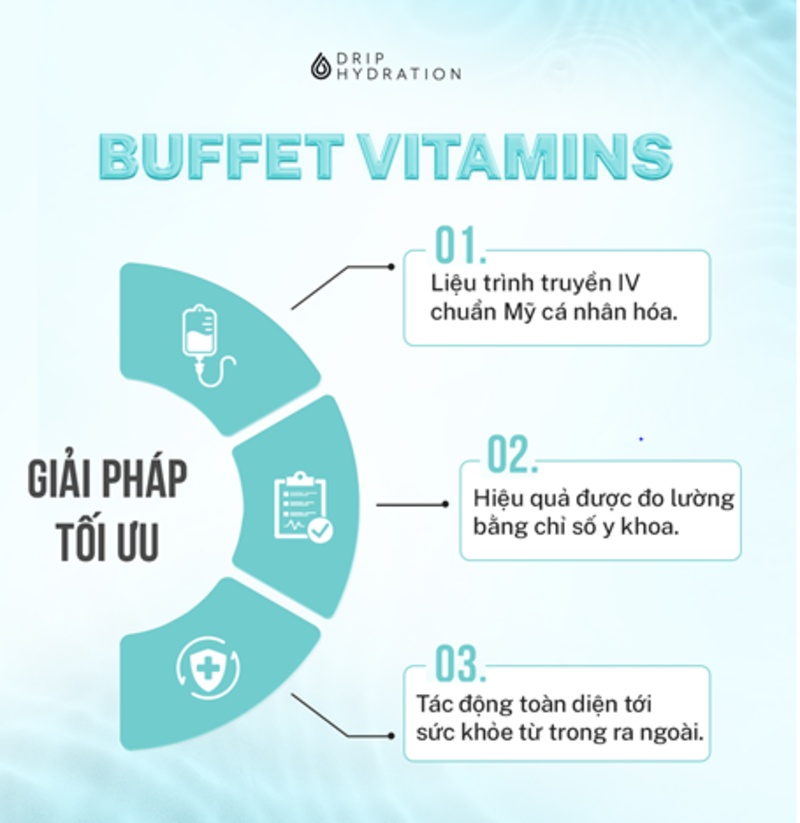
Currently, the Drip Hydration clinic offers consultations and assessments for metabolic and hormonal imbalances that may impact energy levels. Drip Hydration provides an advanced IV vitamin therapy solution to deliver safe, targeted nutrients directly into the bloodstream, ensuring maximum absorption to support overall vitality and promote hormonal balance for energy.
Book an appointment and consultation today via our Customer Care hotline or by submitting your information online.
References
- National Institutes of Health (NIH) – PubMed Central. Link: https://www.ncbi.nlm.nih.gov/pmc/articles/PMC3660717
- Experimental & Molecular Medicine – Nature.com. Link: https://www.nature.com/articles/s12276-022-00741-z
- Frontiers in Endocrinology. Link: https://www.frontiersin.org/articles/10.3389/fendo.2022.904754/full
- Better Health Channel (Government of Victoria, Australia). Obesity and hormones – How hormonal imbalance affects energy. Link: https://www.betterhealth.vic.gov.au/health/healthyliving/obesity-and-hormones
- Cleveland Clinic. Thyroid Hormones and Metabolism. Link: https://my.clevelandclinic.org/health/articles/12216-thyroid-hormones
- Endocrine Society. Adrenal Hormones: Cortisol and Energy Regulation. Link: https://www.endocrine.org/patient-engagement/endocrine-library/adrenal-hormones
- Vitamin B12: https://ods.od.nih.gov/factsheets/VitaminB12-HealthProfessional/
- Magnesium: https://ods.od.nih.gov/factsheets/Magnesium-HealthProfessional/
- Coenzyme Q10: https://ods.od.nih.gov/factsheets/CoenzymeQ10-HealthProfessional/
See more: Các sản phẩm truyền vitamin khác từ Drip Hydration
Bài viết của: Biên tập viên Drip Hydration