What does zinc do? Zinc is an essential micronutrient that helps support immune function, maintain cognitive health, aid cellular metabolism, and facilitate tissue repair. Understanding the role of zinc helps you protect your overall health, promote healthy aging, and optimize your body’s daily performance.
What is zinc and why is it considered the biological “orchestrator” micronutrient?
Thanks to its versatile coordinating abilities, zinc is a key factor in maintaining physiological balance and helping the body’s systems operate harmoniously. This is why many people often ask: What does zinc do, and why is this micronutrient so important? The article below helps clarify its essential role.
What is zinc?
Zinc is an essential trace mineral that the body cannot synthesize on its own; therefore, it requires consistent intake through food or dietary supplements. Although sometimes not as prominently discussed as calcium or iron, zinc plays a crucial role in numerous biological processes.
It acts as a cofactor for over 300 different enzymes, influencing protein synthesis, cell division, immune function, and sensory processing such as taste and smell. Zinc deficiency can significantly impair these critical bodily functions.
Why is zinc considered the biological “orchestrator”?
Zinc is considered a “coordinating” micronutrient because it participates in hundreds of vital biochemical reactions. As an essential structural and catalytic component of over 300 enzymes and numerous proteins, it ensures that biological reactions occur efficiently. Through this role, zinc directly influences DNA and protein synthesis, cell division, the maintenance of neuronal structure, and the support of sensory functions.
Additionally, zinc helps regulate other systemic processes, ranging from immune defense and cellular metabolism to tissue repair. When zinc levels are adequate, the body’s systems operate optimally; if deficient, many physiological functions can falter, leading to fatigue, impaired concentration, and a weakened immune response.
How does zinc participate in building and maintaining neuronal structures?
To clearly understand what zinc does for the brain, it is necessary to know that the brain contains some of the highest concentrations of zinc in the body. Zinc plays an essential role in maintaining the structure and function of neurons, thereby supporting learning capacity, memory retention, and emotional balance.
Maintaining the molecular structure of neurons
Zinc is a crucial structural component of many proteins, particularly at the synapse – the junction where neurons transmit signals. Adequate zinc levels keep the synapse functioning stably, support efficient signal transmission, and strengthen synaptic connectivity.
Supporting signal organization and cognitive function
In the brain, zinc is concentrated in synaptic vesicles (small sacs within the axon terminal) and is released into the synaptic cleft when neurons activate. Sufficient zinc levels help maintain effective neural pathways, enhancing the ability to process and memorize information.
Conversely, zinc deficiency can impair neuronal structures, diminish signal transmission capacity, and negatively impact cognition, concentration, and mood.

How does zinc affect information processing and mental acuity?
Imagine the brain as a complex data processing center, where every signal requires enzymes and proteins to function accurately. So, what does zinc do in this process? It plays a critical role in:
Regulating neurotransmitters
Zinc aids in the synthesis and modulation of neurotransmitters like glutamate and GABA – the brain’s primary excitatory and inhibitory signals. The balance between them helps maintain alertness, concentration, and emotional stability.
Contributing to long-term memory consolidation
For information to be stored long-term, the associated synapses must be reinforced to keep neural connections durable. This process is known as long-term potentiation (LTP).
Zinc supports this process by facilitating vital enzymatic reactions, allowing synapses to adapt efficiently and enhancing long-term information retention.
In the 2022 study “Association between zinc deficiency and cognitive decline in community-dwelling older adults” published in Ciência & Saúde Coletiva, scientists surveyed 591 older adults (≥ 60 years old) to examine the relationship between blood zinc levels and memory. Among them, 3.9% were zinc deficient. The results showed that those with zinc deficiency had lower memory scores and a nearly fourfold higher risk of cognitive decline compared to those with optimal zinc levels.

Zinc’s role in balancing the brain’s biological signaling
The body regulates thousands of biological signals every day, from heart rate to emotions. This is exactly why many people wonder, what does zinc do regarding the nervous system? Zinc supports this intricate process by:
- Regulating receptor activity: Zinc binds to receptor proteins on cells, helping them respond accurately to environmental signals and neurotransmitters.
- Balancing amino acids and ions: In the brain, balancing zinc ions helps regulate neural excitability. Too much or too little stimulation can lead to concentration disorders, anxiety, or cognitive disruptions.
Therefore, zinc is not just a structural building block – it acts as a critical “modulator” regulating activity throughout the central nervous system.
Zinc and the body’s cellular recovery cycle during sleep
Sleep is when the body undergoes cellular renewal. Zinc assists the body in efficient regeneration and recovery during sleep, from supporting sleep hormones to regulating inflammation, ultimately improving energy and overall health the following day.
- Supporting melatonin synthesis: Melatonin is the hormone that regulates the sleep-wake cycle, maintaining a stable circadian rhythm. Zinc acts as a co-factor in the synthesis of melatonin, helping the body enter deep sleep more easily and maintain consistent sleep patterns.
- Regulating inflammation: During deep sleep, the body clears oxidative byproducts and repairs cells. If zinc is deficient, anti-inflammatory responses are compromised, potentially causing prolonged fatigue, muscle soreness, and reduced recovery efficiency after physical exertion.
Therefore, zinc does not only affect the immune system. It also helps support deeper, more restorative sleep.
How does zinc optimize energy metabolism?
Energy is not generated out of nothing; every process, from digestion to cellular energy production, depends on enzymes.
If you are still asking what does zinc do for your daily vitality, look at metabolism:
- A crucial cofactor for metabolic enzymes: In cellular metabolism, zinc assists in activating the necessary enzymes to convert dietary carbohydrates and fats into ATP (the molecule that provides direct energy for cellular activities). When zinc is deficient, this metabolic conversion becomes less efficient, easily leading to fatigue.
- Supporting insulin efficiency: Zinc is fundamentally linked to the synthesis, storage, and release of insulin – the blood sugar-regulating hormone. Studies show that zinc helps support insulin sensitivity, maintaining a stable blood glucose balance.
Therefore, if you ever feel tired despite getting enough sleep, a lack of zinc could be one of the underlying physiological causes.

Zinc and the neuroimmune system – a foundation of long-term health
The brain does not operate in isolation; it is tightly interconnected with the immune system. Current neuroimmune research indicates that:
- Maintaining immune cell function: Immune cells like T-cells, B-cells, and macrophages all require adequate zinc to develop and function optimally.
- Mitigating chronic inflammation: Chronic, systemic inflammation is a common root cause of many long-term pathologies, from cardiovascular issues to cognitive decline. Zinc participates in regulating the immune response, helping to prevent prolonged inflammation that can harm neurons.
It can be said that zinc is a crucial “bridge” that helps the brain communicate effectively with the systemic immune system.
How does zinc contribute to healthy aging and cellular longevity?
Zinc is an essential micronutrient involved in many vital bodily processes, thereby contributing to mitigating age-related biological changes at the cellular and systemic levels. If you are wondering what does zinc do as we get older, here are its key mechanisms.
- Supporting immune function: Helps maintain immune cell activity, thereby limiting “immunosenescence” (the natural gradual deterioration of the immune system) and reducing the risk of infections.
- Combatting oxidative stress: Acts as a vital component of antioxidant enzymes, helping neutralize free radicals – unstable molecules that accelerate cellular aging.
- Facilitating DNA repair: Contributes to stabilizing and repairing DNA, limiting the accumulation of genetic damage over time.
- Maintaining cognitive health: Supports neurotransmission and synaptic plasticity, helping protect memory and cognitive capacity in older adults.
- Modulating chronic inflammation: Regulates inflammatory responses, contributing to limiting the smoldering, low-grade inflammation often associated with aging (commonly referred to as “inflammaging”).
- Supporting endocrine balance: Aids in hormone regulation and metabolic function, helping maintain muscle mass, bone density, and overall vitality.
- Promoting skin integrity: Facilitates tissue regeneration and collagen synthesis, supporting healthy skin structure and wound healing.
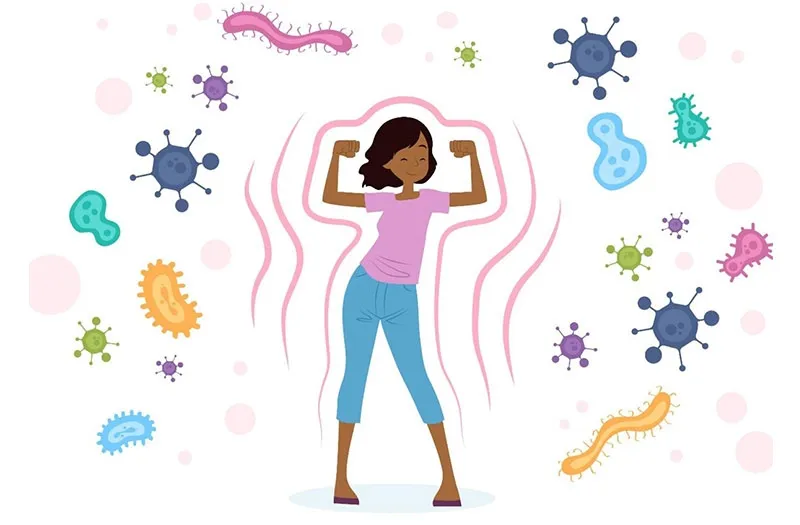
Through the analyses above, you now have a comprehensive answer to the question: What does zinc do? This indispensable trace mineral supports neurological function, maintains cognitive health, optimizes energy metabolism, supports restorative sleep, and regulates immunity.
Zinc is also deeply involved in the body’s fundamental cellular recovery processes. Ensuring adequate daily zinc intake helps maintain optimal overall health and promotes healthy aging from the inside out.
References:
- Harvard Health – Zinc: What it does for the body, and the best food sources
- Healthline – Zinc: Benefits, Deficiency, Food Sources and Side Effects
- Medical News Today – Zinc: Benefits, sources, and side effects
- PubMed – Zinc in human health: effect of zinc on immune cells
- PMC (National Library of Medicine) – Zinc is an Antioxidant and Anti-Inflammatory Agent: Its Role in Human Health
Bài viết của: Biên tập viên Drip Hydration