The line between normal age-related memory loss and clinical dementia is often subtle. Recognizing early age-stratified physiological changes in the brain and implementing proactive strategies to improve memory in older adults serves as the definitive key to maintaining mental clarity, personal independence, and long-term quality of life.
What age is considered elderly?
Age classifications by WHO and NIH
According to the World Health Organization (WHO) and elder-care frameworks in multiple countries, the chronological benchmark of 60 years and older is recognized as the older or senior population.
The U.S. National Institute on Aging (NIA) categorizes older adulthood into three detailed stages:
- The young-old (ages 65 to 74): Individuals often begin exhibiting mild decreases in information processing speed and slight reductions in microvascular cerebral blood flow. Subtle short-term memory lapses emerge from a physiological reduction in neuronal density, yet independent daily functioning remains well preserved.
- The middle-old (ages 75 to 84): The rate of synaptic degeneration increases noticeably, resulting in diminished sustained attention and greater difficulty managing complex tasks. Incidence rates of chronic disease and mild cognitive impairment (MCI) rise substantially.
- The oldest-old (ages 85 and older): The highest-risk demographic facing progressive dementia syndromes (predominantly Alzheimer’s disease) and physical frailty, often leading to a loss of independent self-care.
(Source: “Differences in youngest-old, middle-old, and oldest-old patients who visit the emergency department“)
Physiological and metabolic changes in the aging brain
Loss of brain volume and cerebral tissue atrophy
Beginning as early as ages 30 to 40, total cerebral mass and volume commence a subtle downward trajectory, accelerating past age 40 at an average decline of roughly 5% per decade. This pace of structural tissue loss quickens significantly past age 70, reaching rates of 1% to 2% annually.
This volumetric loss does not happen uniformly; it concentrates most severely within the hippocampus and the prefrontal cortex. The hippocampus functions as the core command center for encoding and converting short-term memories into long-term storage; degeneration in this region slows down mental processing speed, impairing new memory acquisition and information retrieval in older adults.
Impaired microcirculation and cerebral hypoperfusion
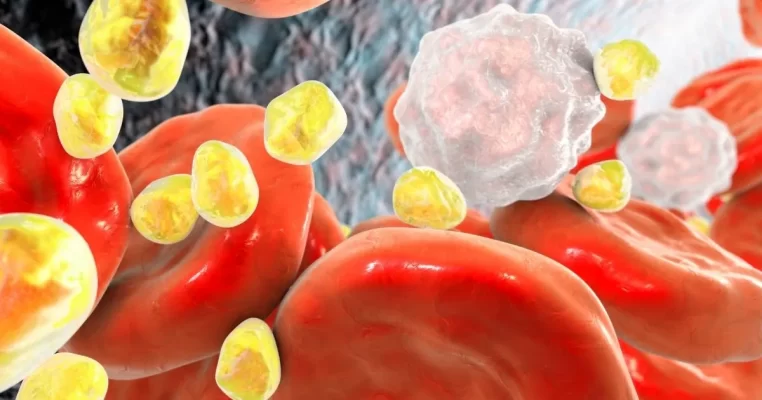
Atherosclerotic plaque accumulation develops silently between ages 40 and 50, but cerebral hypoperfusion displays its most pronounced clinical manifestations starting around age 60.
Cerebral arterial vessels gradually lose compliance and elasticity, which, combined with atheroma deposition, reduces luminal diameter. Consequently, total cerebral blood flow drops by 15% to 20%. This chronic shortfall in oxygen and glucose impairs neuronal ATP energy production, provoking brain fog, slowing informational throughput, and accelerating programmed neuronal cell death.
Decline in central neurotransmitters
The reduction in neurotransmitter-synthesizing enzymes begins around age 50 and drops sharply between ages 65 and 70.
The biological activity of choline acetyltransferase (ChAT) – the rate-limiting enzyme responsible for synthesizing acetylcholine – declines substantially with advancing age. Acetylcholine is the primary chemical mediator governing sustained attention, logical deduction, and memory trace encoding. A profound acetylcholine deficit disrupts synaptic communication, leading to forgetfulness, poor concentration, and difficulty processing new information.
Distinguishing normal physiological memory loss from clinical dementia in seniors
Not every instance of age-related forgetfulness indicates Alzheimer’s disease. Families should clearly differentiate between these two distinct clinical presentations:
- Benign age-associated memory impairment: An older adult occasionally misplaces keys, forgets an appointment, or blanks on an acquaintance’s name but recalls it later; cognitive processing may be slightly slower, but they remain completely self-sufficient in daily living activities.
- Clinical dementia / Alzheimer’s disease: Forgetting recently occurred events, asking the exact same question repeatedly, losing spatio-temporal orientation in familiar environments, struggling to execute routine motor tasks (such as cooking or dressing), and exhibiting marked personality shifts.
Proactively recognizing these differences early provides the clinical anchor families need to establish appropriate care interventions. Through an antioxidant-rich diet, consistent physical exercise, and structured cognitive stimulation, older adults can decelerate physiological aging, preserve neuronal density, and improve memory in older adults.
Evidence-based methods to improve memory in seniors
Physical exercise to activate brain-derived neurotrophic factor (BDNF)
Physical exercise represents the most potent natural intervention to shield the aging brain against neurodegeneration and improve memory in older adults. Aerobic exertion stimulates the synthesis of brain-derived neurotrophic factor (BDNF), a master neurotrophin that protects existing neurons, repairs microstructural damage, and promotes synaptogenesis. Consistent aerobic exercise has been clinically documented to increase hippocampal volume by roughly 2%, resulting in noticeable memory improvements.
Appropriate physical exercise modalities for older adults include:
- Aerobic conditioning: Engaging in brisk walking, water aerobics, or gentle tai chi for 30 minutes daily, 5 days per week, achieving the guideline-recommended minimum of 150 minutes weekly.
- Balance training: Practicing balance routines, such as gentle yoga or supported single-leg stands, for 10 to 15 minutes daily, 3 to 4 days weekly to prevent falls.
Clinical precautions to proactively prevent falls and cardiovascular events:
- Incorporate a 5 to 10 minute joint warm-up before exercising and conclude with a 5-minute cool-down walk.
- Exercise exclusively on flat, well-lit surfaces, wear supportive non-slip footwear, and avoid sudden postural changes.
- Discontinue exercise immediately and seek medical attention if warning symptoms appear, such as sudden dizziness, chest pressure, or acute shortness of breath.
Combining BDNF activation through physical movement with structured safety precautions creates a comprehensive defense for preserving cognitive function in seniors. Moderate, steady physical activity slows physiological brain tissue loss while supporting mental clarity and lasting quality of life.

Cognitive stimulation and brain training
Intellectual engagement forms a vital component of memory enhancement for older adults. Exercising the brain expands cognitive reserve and enhances neuroplasticity, building collateral neural pathways to compensate for age-related synaptic loss.
Effective cognitive approaches include:
- Logical problem-solving and puzzles: Chess, Sudoku, and crosswords stimulate the prefrontal cortex and reinforce sustained attention.
- Acquiring new skills: Reading complex literature, learning a musical instrument, or studying a new language promotes the formation of novel synaptic networks across the cerebral cortex.
- Social interaction and conversation: Group discussions, volunteer work, and regular family gatherings sharpen verbal fluency and conversational working memory.
Consistent, accessible cognitive stimulation slows age-related brain atrophy while reinforcing mental sharpness and functional independence over time.
Adopting the neuroprotective MIND diet
The MIND diet (a hybrid of the Mediterranean and DASH diets) is clinically shown to safeguard neuronal structures, lower neurotoxic homocysteine levels, and significantly reduce the risk of cognitive decline in older adults. A balanced nutritional plan provides abundant antioxidants, downregulates neuroinflammation, and maintains neuronal membrane fluidity to support memory.
Targeted foods and nutrients for older adults:
- Dark leafy greens and berries: Consume at least one serving of dark leafy greens daily (such as kale or spinach) and two servings of berries weekly to neutralize free radicals.
- Fatty fish and omega-3-rich nuts: Eat cold-water fatty fish (such as wild salmon or sardines) at least 1 to 2 times weekly alongside a small handful of raw nuts (about 30 grams) daily to maintain healthy neuronal DHA and EPA levels.
- Vitamins B6, B9 (folate), and B12: Meet daily recommended dietary targets through pasture-raised eggs, poultry, and fortified whole grains to suppress circulating homocysteine (a known driver of accelerated brain tissue loss).
Precaution: Consult a physician to tailor meal plans for seniors managing underlying conditions like gout, hyperlipidemia, type 2 diabetes, or chronic kidney disease.
A balanced, scientifically sound diet not only provides vital daily energy, but also helps slow down biological aging and physiological brain tissue atrophy to improve memory in older adults.
Managing metabolic diseases and protecting cerebrovascular health
Chronic vascular conditions like hypertension, diabetes mellitus, and dyslipidemia are silent drivers of cerebrovascular damage, significantly elevating the risk of progression toward vascular dementia.
Key clinical actions for chronic disease monitoring in seniors:
- Track vital signs consistently: Check blood pressure 1 to 2 times daily and evaluate blood glucose 1 to 2 times weekly to keep values within target clinical ranges.
- Strict medication adherence: Take prescribed maintenance medications daily and attend regular medical follow-ups for clinical dosage adjustments.
- Lifestyle and weight management: Maintain a low-sodium diet (under 2,300 mg of sodium daily, equivalent to about 5 grams of table salt) alongside 30 minutes of light daily exercise to stabilize body mass index (BMI).
Precaution: Never abruptly discontinue medications, lower prescribed dosages, or purchase additional prescription drugs without clinical consultation, even if blood pressure or blood glucose levels appear temporarily stable.
Proactive management of chronic conditions is an indispensable part of healthcare strategies for older adults in general, and brain health in particular. Strict clinical control of chronic diseases is also the most effective defense against the risk of complications such as dementia, stroke, or neurological disorders that impair memory, thereby helping to improve memory in older adults.
Targeted intravenous micronutrient therapy for deep cognitive support
In older adults, gastrointestinal function naturally declines due to gastric mucosal atrophy and hypochlorhydria (low stomach acid production), limiting the oral absorption of vital neuro-supportive micronutrients. To bypass this digestive barrier, administering targeted micronutrients intravenously has emerged as an advanced clinical option valued by geriatric specialists.
The Brain Power therapy package (Neurological support, brain metabolism and antioxidant protection) at Drip Hydration features a targeted formula combining:
- Cerebrolysin: Supports neuronal structural integrity and cellular repair.
- Alpha-lipoic acid (ALA): Optimizes mitochondrial energy production and protects cell membranes.
- Glutathione: Neutralizes free radicals and slows oxidative cellular aging.
- Vitamins B-complex, C, and D: Supports cellular metabolism and neurotransmitter balance.
This clinical protocol delivers bioavailable micronutrients, minerals, and potent antioxidants directly into systemic circulation to:
- Maximize biological absorption: Completely bypasses the compromised gastrointestinal tract of the aging body.
- Enhance perfusion and neutralize free radicals: Delivers immediate cellular nutrients to brain tissue, protecting neuronal membranes against oxidative stress and structural atrophy.
- Support memory recall and daily energy: Alleviates chronic mental fatigue and promotes restorative sleep.
Precaution: All intravenous protocols must be clinically evaluated, screened via baseline laboratory testing, and administered under the direct guidance of a licensed physician based on each senior’s individual health status.
Age-related cognitive decline can be meaningfully slowed through timely, comprehensive interventions. Combining physical exercise, targeted nutrition, active mental training, and targeted micronutrient therapy helps older adults protect their central nervous system, preserve cognitive function, and effectively improve memory in older adults so they can enjoy a fulfilling life with their families.
For families seeking advanced cognitive support through targeted intravenous micronutrient therapy with the Brain Power protocol, call our hotline at 090.1885.088 or book an appointment online to schedule your clinical consultation today.
Bài viết của: Biên tập viên Drip Hydration