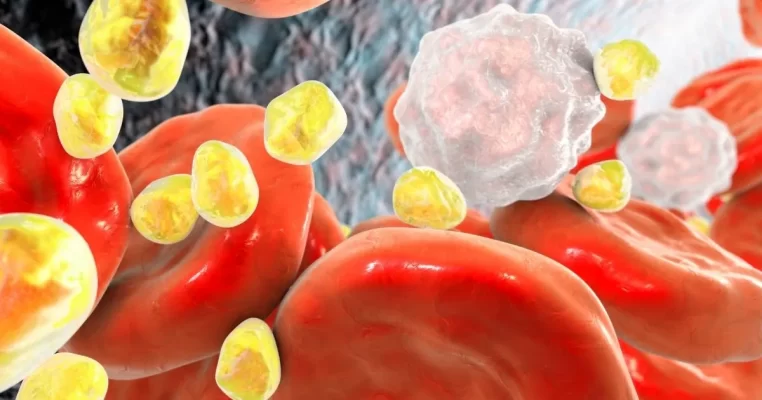
In an era defined by proactive healthcare and biohacking, the ketogenic diet has evolved far beyond a basic weight-loss trend into a recognized medical nutrition therapy. What is the true physiological nature of the ketogenic diet? Which biological pathways allow it to reprogram cellular metabolism, and how can you implement it safely and scientifically? This article breaks down the evidence behind keto through a modern medical lens.
What is the ketogenic diet? The cellular science behind ketosis
Medically defined, the ketogenic (keto) diet is a nutritional protocol designed to minimize carbohydrate intake, maintain moderate protein consumption, and significantly elevate healthy dietary fats.
A quick summary of how the two metabolic models differ:
- Standard diet: Dietary carbohydrates are broken down into glucose, serving as the body’s primary fuel source for daily cellular energy.
- Ketogenic diet: Triggers the breakdown of fatty acids into ketone bodies, serving as an efficient alternative cellular fuel to glucose.
In detail:
Under a standard diet, your body breaks down carbohydrates into glucose, relying on it as its baseline fuel. However, when you restrict carbohydrate intake to under 50 grams per day, liver and skeletal muscle glycogen stores become depleted within 24 to 48 hours. At this point, your body activates an evolutionarily preserved metabolic backup mechanism: nutritional ketosis.
In ketosis, the liver oxidizes fatty acids – derived from both stored adipose tissue and dietary fats – into small, water-soluble energy molecules known as ketone bodies (acetoacetate, beta-hydroxybutyrate, and acetone). These ketone bodies circulate through the bloodstream, cross the blood-brain barrier, and replace glucose as the primary fuel source sustaining whole-body metabolism.
According to the systematic review “A Ketogenic Diet is Effective in Improving Insulin Sensitivity in Individuals with Type 2 Diabetes” (referenced in medical literature and indexed via the National Library of Medicine/NCBI), clinical researchers analyzed evidence evaluating the metabolic effects of ketogenic nutrition in adults with or at risk for type 2 diabetes. Findings show that a ketogenic diet consistently and significantly improves glycemic control and peripheral insulin sensitivity. Furthermore, when paired with regular exercise, this dietary shift optimizes energy metabolism while actively helping prevent hepatic fat accumulation.
The impact of the ketogenic diet on brain health and mental performance
A primary reason this nutritional approach is favored by entrepreneurs, executives, and high-performance knowledge workers is its capacity to revitalize brain energy metabolism.
Clean cellular fuel for neurons
When the brain relies primarily on glucose, that metabolic pathway generates significant reactive oxygen species (ROS) and inflammatory byproducts, which can contribute to brain fog and mid-afternoon energy crashes. In contrast, ketone bodies – specifically beta-hydroxybutyrate (BHB) – function as a clean, highly efficient cellular fuel for neurons. Ketone metabolism produces fewer free radicals, protecting neurons from oxidative stress and accelerated aging.
Mitochondrial biogenesis and neurotransmitter balance
Ketones stimulate brain cells to undergo mitochondrial biogenesis – the creation of new cellular power plants. With more functional mitochondria generating cellular adenosine triphosphate (ATP), the brain receives a sustained, abundant supply of energy. At the same time, this metabolic state rebalances key neurotransmitter ratios: it downregulates glutamate (the primary excitatory neurotransmitter linked to anxiety and neural overstimulation) while upregulating GABA (the chief inhibitory neurotransmitter that promotes calm, emotional stability, and deep focus).
This biochemical balance supports steady cognitive stamina, sharp independent analytical thinking, and high productivity across 10 to 12 hour workdays without relying heavily on high-dose caffeine or synthetic stimulants.

A medical guide to implementing the ketogenic diet
To enter and sustain nutritional ketosis safely and effectively, you should align your daily nutritional intake with the following macronutrient ratios:
- Healthy fats (65% to 75% of total daily calories): This serves as your primary energy substrate. Emphasize monounsaturated and polyunsaturated fats from avocados, extra virgin olive oil, nuts (almonds, walnuts), and omega-3-rich fatty fish like wild salmon and mackerel, alongside quality saturated fats like cold-pressed coconut oil (rich in medium-chain triglycerides, or MCTs).
- Moderate protein (20% to 25% of total daily calories): Excess protein consumption can trigger gluconeogenesis – the biochemical conversion of amino acids into glucose – which can pull your body out of ketosis. Choose pasture-raised poultry, grass-fed beef, whole eggs, and wild-caught seafood.
- Very low carbohydrate (5% to 10% of total daily calories): Limit intake to 20 to 50 grams of net carbs (total carbohydrates minus dietary fiber) per day. Source your carbs primarily from non-starchy leafy greens and cruciferous vegetables like broccoli, spinach, asparagus, and cucumbers.
Clinical indications and contraindications: Who should and should not adopt keto?
While the ketogenic protocol provides notable metabolic advantages, it represents an intensive metabolic intervention that requires clear clinical stratification.
Candidates who may benefit from a ketogenic protocol
- Individuals with long-standing overweight or clinical obesity, particularly those carrying significant visceral adipose tissue.
- Those with insulin resistance, prediabetes, or type 2 diabetes seeking to stabilize glycemic variability under clinical supervision.
- Patients diagnosed with drug-resistant epilepsy (the original clinical indication for which this diet was developed in the 1920s).
- Knowledge workers and professionals aiming to optimize cognitive stamina, reduce daytime sluggishness, and clear brain fog.
Absolute clinical contraindications: Individuals who must avoid keto
- Individuals diagnosed with inborn errors of fatty acid metabolism or specific hepatic enzyme deficiencies.
- Patients with end-stage liver disease, advanced kidney disease, or a medical history of pancreatitis.
- Pregnant or breastfeeding women (who require a steady supply of carbohydrates to support fetal neurodevelopment and lactation).
- Individuals with a documented history of clinical eating disorders (such as anorexia nervosa or bulimia).
Frequently asked questions and how to manage the “keto flu”
Why do I feel fatigued, achy, and lightheaded during the first few days of keto?
Medical explanation: This cluster of symptoms is commonly known as the keto flu. When carbohydrate intake drops rapidly, circulating insulin levels plummet, signaling the kidneys to excrete large amounts of sodium and water alongside potassium and magnesium. This rapid fluid and electrolyte shift is the primary cause of headaches, muscle cramps, and acute lethargy.
How to manage it: Actively hydrate with mineral water, drink warm bone broth seasoned with sea salt, or take a balanced oral electrolyte supplement during the initial transition week.
Does a ketogenic diet elevate LDL cholesterol and harm cardiovascular health?
Medical explanation: Clinical studies indicate that when keto emphasizes heart-healthy unsaturated fats (olive oil, avocados, fatty fish), circulating triglyceride levels drop substantially while high-density lipoprotein (HDL) cholesterol levels rise. However, if the diet relies heavily on processed meats and excessive saturated fats, atherogenic LDL-C and ApoB particles can increase significantly. The biological quality and source of your dietary fats are the decisive factors.
A well-structured ketogenic diet is a potent metabolic tool that can enhance cellular fat oxidation and elevate mental clarity when approached methodically and safely. However, maintaining strict dietary adherence over the long term requires high discipline and can introduce micronutrient shortfalls if meal diversity is limited.
If you are looking for a targeted clinical solution to unlock your brain’s full cognitive potential, eliminate mental exhaustion, and sustain sharp professional focus without navigating a rigid dietary overhaul, explore the Brain Power intravenous therapy package (Neurological support, brain metabolism and antioxidant protection) at Drip Hydration.
By delivering neuroprotective compounds, high-potency activated B-complex vitamins, essential amino acids, and clinical-grade antioxidants directly into systemic circulation, this therapy supports brain cell mitochondrial function, promotes cerebral blood flow, and balances neurotransmitter production. You gain clear focus, heightened mental stamina, and the cognitive resilience needed to tackle demanding professional goals.
Contact the clinical team at Drip Hydration or schedule your one-on-one medical consultation today to receive a personalized brain health protocol.
References
- A Ketogenic Diet is Effective in Improving Insulin Sensitivity in Individuals with Type 2 Diabetes: https://pubmed.ncbi.nlm.nih.gov/29763005/
Bài viết của: Biên tập viên Drip Hydration