Stroke is a leading cause of death and long-term disability worldwide. Every year, an estimated 12.2 million people suffer a stroke, leaving nearly 5 million survivors to face lasting complications. From motor and speech deficits to cognitive impairment, these challenges can significantly impact daily quality of life.
Stroke recovery is a long-term journey that requires a comprehensive, multidisciplinary approach – combining physical therapy, cognitive rehabilitation, and optimal nutrition. This article explores common post-stroke complications and evidence-based rehabilitation strategies aimed at restoring both physical mobility and cognitive function.
1. When is post-stroke rehabilitation needed?
1.1. Prevalence and impact of stroke
According to data from the World Stroke Organization, stroke is the second leading cause of death worldwide, accounting for approximately 11% of all deaths globally. Among survivors, 50% to 70% experience severe sequelae, such as motor dysfunction and cognitive decline.
Specifically:
- Post-stroke cognitive impairment: Roughly 30% to 40% of patients experience deficits in memory, attention, and processing speed.
- Recovery potential: According to the American Heart Association, approximately 10% of survivors recover almost completely, 25% recover with minor impairments, 40% experience moderate to severe disability requiring special care, and 10% require long-term care in a nursing facility
1.2. Why is early rehabilitation essential?
Early post-stroke rehabilitation plays a critical role in:
- Minimizing the risk of long-term disability.
- Promoting neuroplasticity and rewiring damaged neural pathways.
- Improving quality of life and reducing caregiver burden.
A 2021 study noted that early intervention within the first 24 – 48 hours increases the rate of optimal stroke recovery to 58%, compared to just 36% in patients with delayed intervention after 72 hours. Furthermore, early mobilization significantly reduces the risk of immobility-related complications, such as deep vein thrombosis (DVT), pneumonia, and pressure injuries.
2. Post-stroke complications
2.1. Post-stroke cognitive impairment
Cognitive impairment is one of the most common post-stroke complications, significantly affecting a patient’s memory, attention, and cognitive function.
Common signs:
- Short-term memory loss and difficulty retaining new information.
- Reduced ability to focus or concentrate during daily tasks.
- Trouble processing complex information or making decisions.
Causes:
Cognitive impairment occurs when a stroke damages brain regions vital for cognition, particularly the hippocampus and prefrontal cortex. In addition, prolonged cerebral ischemia and small vessel disease are primary drivers of this condition.
2.2. Post-stroke cognitive disorders
Cognitive disorders frequently involve a loss of orientation, logical reasoning, and executive function, severely compromising a patient’s ability to perform self-care.
Common signs:
- Disorientation to time and place.
- Difficulty planning, organizing, and managing daily tasks.
- Impaired judgment, abstract thinking, and problem-solving skills.
Causes:
This condition typically results from extensive damage to critical brain regions – particularly the parietal lobe, frontal circuits, and neural networks regulating cognition and emotion.
2.3. Other post-stroke complications
Beyond cognitive deficits, stroke survivors often face a range of physical and emotional complications, including:
- Motor deficits: Hemiparesis (one-sided weakness), hemiplegia (paralysis), and loss of balance or coordination.
- Speech and language disorders: Aphasia (difficulty understanding or producing language) and dysarthria (slurred or impaired speech due to muscle weakness).
- Post-stroke depression and anxiety: Mood and emotional disorders triggered by brain chemistry changes and the emotional stress of adjusting to disability.
These complications not only slow the rehabilitation process but also significantly increase the psychological and emotional burden on both patients and their families.
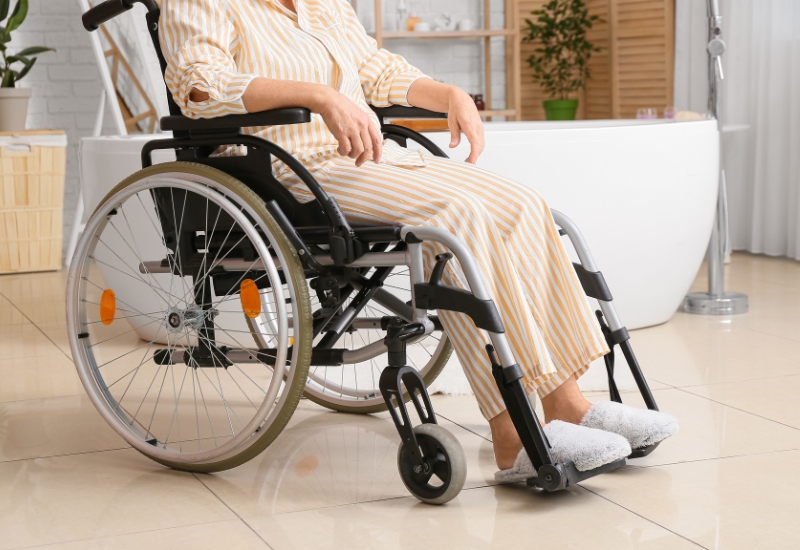
3. Modalities for post-stroke recovery
3.1. Motor function rehabilitation
Physical therapy (PT)
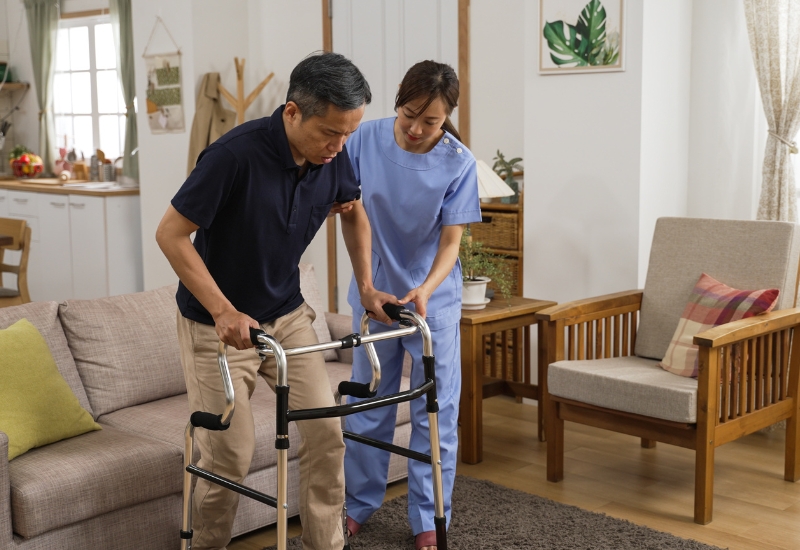
Motor rehabilitation is a critical component of post-stroke care, helping survivors regain mobility and functional independence. Common physical therapy approaches include:
- Muscle strengthening: Targeted range-of-motion and resistance exercises to rebuild muscle strength in affected limbs.
- Balance and gait training: Exercises designed to improve standing stability, posture, and walking ability.
- Transcranial direct current stimulation (tDCS): tDCS is an innovative non-invasive technique that applies low-intensity direct electrical currents to targeted brain regions. By modulating neural excitability and promoting synaptic plasticity, tDCS helps accelerate motor recovery.
3.2. Cognitive rehabilitation for stroke recovery
Cognitive exercises
- Puzzles and logic games: Stimulate brain regions involved in logical reasoning, problem-solving, and memory retrieval.
- Word-retrieval and verbal memory exercises: Help patients improve vocabulary recall and enhance both short- and long-term memory capacity.
Technology-assisted therapies
- Virtual reality (VR): Immerses patients in interactive, simulated environments to train cognitive skills and practice activities of daily living (ADLs).
- Cognitive rehabilitation software: Digital platforms (such as BrainHQ or Lumosity) offer targeted exercises designed to improve memory, attention, and executive function.
3.3. Nutritional support for stroke recovery
Brain-healthy foods
- Salmon and flaxseeds: Rich in omega-3 fatty acids, which help lower inflammation, support neuronal health, and enhance synaptic plasticity.
- Leafy green vegetables: Abundant in folate, B vitamins, and antioxidants that help protect brain cells and optimize cognitive function.
Targeted nutritional supplementation
- Vitamins B6 and B12: Support neurotransmitter synthesis, improve cognitive performance, and reduce the risk of further cognitive decline.
- Magnesium and antioxidants: Help combat oxidative stress, reduce neuroinflammation, and support cellular repair in recovering brain tissue.
4. Conclusion
A stroke often results in severe, lasting complications, with cognitive impairment and functional deficits among the most prevalent. Integrating physical rehabilitation, cognitive training, and targeted nutritional support promotes neuroplasticity and significantly enhances long-term stroke recovery.
However, to achieve optimal outcomes, rehabilitation should begin as early as safely possible – ideally within the critical first 24 to 72 hours post-stroke. A comprehensive support system combining dedicated family involvement, advanced therapeutic interventions. For individuals interested in proactive prevention and early risk assessment, Drip Hydration offers the specialized Stroke Risk Screening and Management Support Program. Hotline at 0901.885.088.
References
- Stroke Treatment and Brain Exercises – Healthline
- Stroke Rehabilitation – NCBI
- Post-Stroke Recovery Research – AHA Journals
- Improving Cognitive Problems After Stroke – SAFESTROKE
- Long-Term Cognitive Decline – CHEBA
- Memory Recovery After Stroke – Everyday Health
Bài viết của: Biên tập viên Drip Hydration