Approaching hormonal melasma treatment from within is rapidly becoming a premier focus in modern aesthetic medicine. This shift occurs because hyperpigmentation is far more than a surface-level cosmetic blemish; it is a visible manifestation of complex internal endocrine imbalances and sustained cellular oxidative stress. Accurately understanding the root biological triggers and combining targeted internal care allows you to optimize overall skin health while reducing the incidence of stubborn recurrence.
Clinical warning signs of hormonal melasma
Hormonal hyperpigmentation presents distinct clinical features that differentiate it from standard sunspots or post-inflammatory markings.
Key warning signs include:
- Symmetrical distribution: This is the primary diagnostic indicator. Hormonal melasma characteristically emerges in a symmetrical pattern across both cheekbones, and can expand to target the temples, forehead, and perioral region.
- Punctate and macular configurations: Lesions typically begin as small, isolated brown spots that gradually merge into larger, irregular macules with poorly defined borders.
- Fluctuating color depth: Pigmentation transitions between light tan and deep brown. Notably, the color intensity frequently darkens immediately prior to the menstrual cycle or during periods of prolonged psychological stress.
- Concurrent endocrine symptoms: Dermal hyperpigmentation rarely occurs in isolation; it is often accompanied by systemic signs such as irregular menstrual cycles, sleep disturbances, hot flashes, hair shedding, or low libido.

Deciphering the underlying causes under a scientific lens
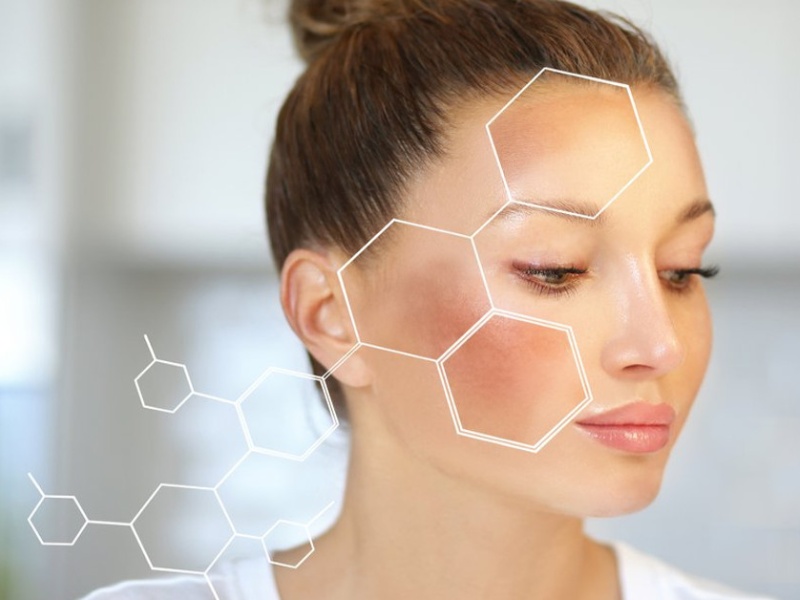
Hormonal hyperpigmentation is not triggered by external environmental factors alone; rather, it is driven by a complex interaction between estrogen, progesterone, and melanocyte-stimulating hormone (MSH), combined with chronic cellular oxidative stress.
The estrogen and progesterone imbalance
Estrogen serves as a primary driver of female physiological characteristics, but it also functions as a powerful stimulator of specialized pigment-producing cells known as melanocytes.
- During periods of significant hormonal fluctuation – such as pregnancy, the usage of oral contraceptives, or the perimenopausal and menopausal transition – elevated circulating estrogen levels bind directly to estrogen receptors expressed on melanocytes.
- Concurrently, progesterone upregulates peripheral sensitivity, amplifying the cells’ response to external stimuli.
This endocrine mismatch establishes an ideal internal environment for melanocytes to enter a hyper-functional state.
Circadian signaling and MSH dysregulation
Melanocyte-Stimulating Hormone (MSH) is a peptide hormone secreted by the anterior pituitary gland that instructs melanocytes to synthesize melanin, the primary dark pigment in skin. When systemic estrogen levels fluctuate erratically – particularly during the postpartum phase, perimenopause, or under chronic psychological stress – the pituitary gland can release an excess of MSH.
Elevated circulating MSH binds to melanocortin 1 receptors (MC1R) on basal layer melanocytes, keeping pigment production active. Because this hormonal signaling pathway originates deep within the neuroendocrine system, the resulting hyperpigmentation features deep dermal roots and can easily recur even after successful surface-level clearing.
Systemic oxidative stress at the cellular level
Beyond structural endocrine triggers, systemic oxidative stress plays a major role in driving hyperpigmentation pathways and accelerated cellular aging. This biological imbalance occurs when reactive oxygen species (ROS) accumulate excessively due to prolonged stress, chronic sleep deprivation, ultraviolet (UV) radiation, environmental pollutants, or poor lifestyle habits.
These unneutralized free radicals attack healthy cell membranes, degrade structural proteins, and damage cellular DNA, crippling the skin’s natural repair mechanisms. In response to this ongoing cellular injury, the body increases melanin production as an innate, protective shield to shield vulnerable cell nuclei from further oxidative harm.
Left unchecked, chronic oxidative stress not only darkens pigment pathways but also accelerates the enzymatic degradation of structural collagen and elastin fibers, causing a loss of dermal elasticity, fine lines, and visible skin aging.
Why relying solely on topical surface treatments is insufficient
Standard aesthetic interventions – such as chemical peels, targeted laser resurfacing, or the topical application of serum formulations containing vitamin C, niacinamide, arbutin, or tranexamic acid – can temporarily improve the appearance of hyperpigmentation. However, a large percentage of patients experience significant recurrence over time.
The primary clinical limitations of surface-only care include:
- Inability to achieve deep dermal penetration: Topical serums, chemical peels, and standard laser energies primarily target the superficial epidermal layers. These modalities struggle to safely distribute active compounds down to the deeper dermal architecture where the foundational roots of hormonal melasma reside, leaving the deeper pigment structures unaddressed.
- Failure to correct the underlying endocrine trigger: Because surface treatments exert zero influence over systemic hormone production, structural fluctuations in estrogen, progesterone, and MSH persist. The moment suppressive topical care or laser sessions are paused, hyperactive melanocytes resume the overproduction of melanin, leading to recurrence tied to your hormonal cycle.
- Unaddressed systemic oxidative stress: Topical creams and lasers cannot eliminate circulating free radicals within the bloodstream or deep tissues. As long as internal oxidative stress remains high, it will continue to stimulate melanocyte pathways and drive micro-inflammation.
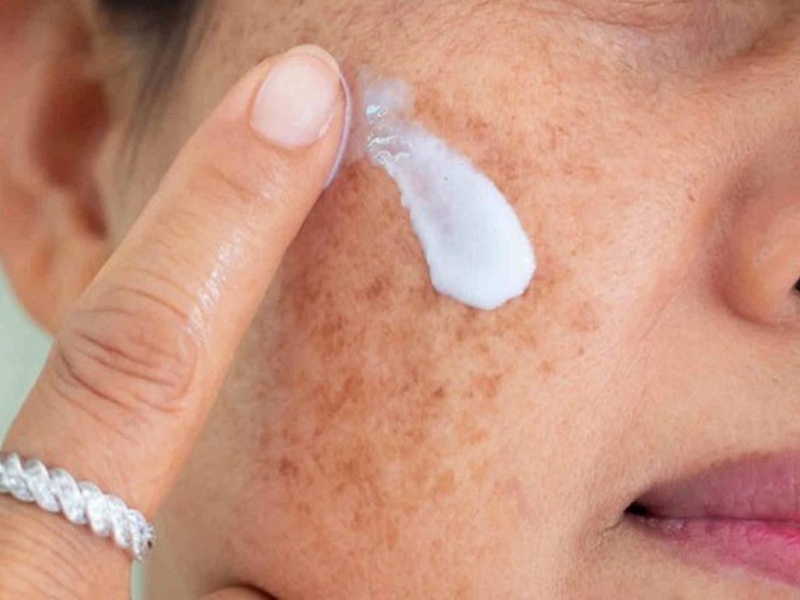
Relying solely on external interventions targets the surface manifestations of hyperpigmentation rather than addressing its root cause. To achieve lasting clarity and minimize recurrence, a comprehensive plan must incorporate internal strategies designed to restore systemic balance.
Implementing an advanced hormonal melasma treatment from within
Hormonal hyperpigmentation is far more than a surface-level cosmetic concern; it is a visible clinical sign of internal physiological transitions, notably endocrine imbalances and sustained cellular oxidative stress. When dermal cells are subjected to ongoing free radical damage, their metabolic energy efficiency, protective defense mechanisms, and natural regenerative capacity decline, allowing melanin to accumulate heavily.
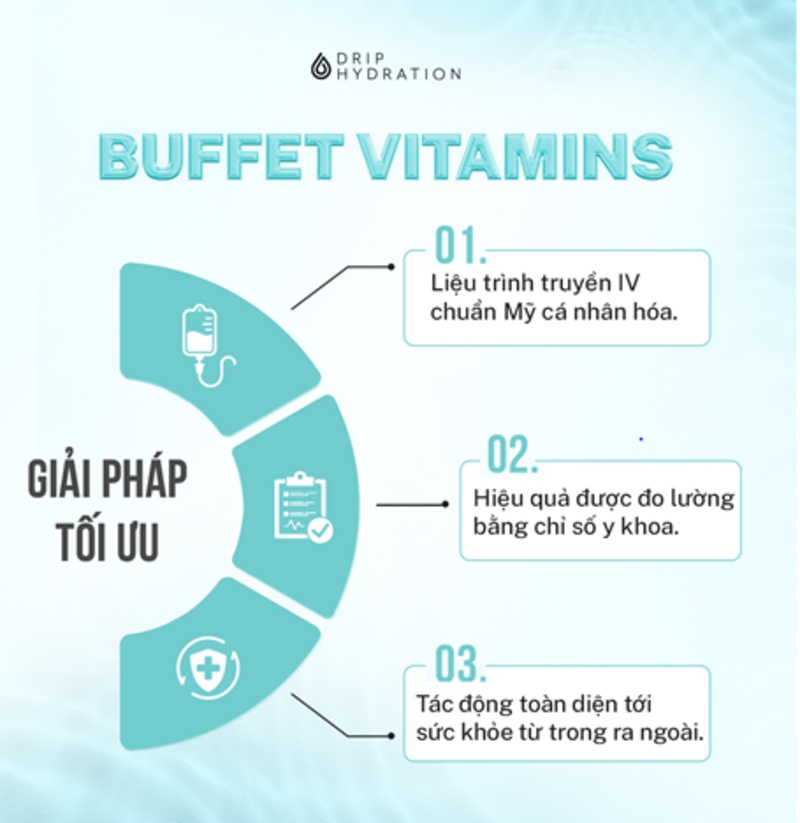
At Drip Hydration, the Endocrine Balance IV Drip therapy is designed to support hormonal balance and nourish the body at the cellular level through direct intravenous micronutrient infusion. The therapy combines antioxidant compounds, including Glutathione, Vitamin C, and Alpha Lipoic Acid (ALA), to help neutralize free radicals, reduce oxidative stress, and support the improvement of hyperpigmentation from within the body.
In addition to supporting the efficacy of hormonal melasma treatment from within, the therapy aims to support better sleep, reduce stress, and maintain healthy skin, contributing to a lower risk of melasma recurrence following hormonal cycles.
However, this should be viewed as a supportive health and skincare solution and does not replace medical treatment for endocrine disorders or severe hyperpigmentation. Before undergoing the procedure, patients should be evaluated by a physician to assess their endocrine status, overall health, and micronutrient deficiencies in order to establish an appropriate treatment protocol.

Safety considerations for implementing hormonal melasma treatment from within
While intravenous micronutrient delivery provides superior bioavailability and systemic efficiency, achieving optimal, lasting outcomes requires proper professional care and lifestyle integration:
- Committing to the clinical timeline: Rebalancing internal systems and reversing cellular oxidative stress is a gradual biological process. Early indicators of improvement often present as enhanced sleep quality, increased daily energy, reduced physical fatigue, and improved skin radiance before significant changes in deep pigmentation patches become visible.
- Prioritizing accredited clinical environments: Intravenous therapies must be administered exclusively by licensed medical practitioners within accredited healthcare facilities approved by the Ministry of Health. The exact therapeutic dosages of compounds like glutathione and high-dose vitamin C must be precisely calculated by a physician based on objective blood chemistry diagnostics and your unique health profile.
- Consistency across the protocol: Because deep hormonal pigmentation develops over several years, it cannot be resolved with a single session. A standard medical protocol typically spans 5 to 10 structured sessions to facilitate measurable shifts at the cellular level.
Supporting your recovery with health-focused daily habits
- Targeted clinical nutrition: Enrich your daily meal rotation with deep leafy greens, raw nuts, and seeds packed with natural vitamin E, selenium, and anti-inflammatory omega-3 fatty acids to reinforce cell membrane defenses.
- Managing psychological stress: Prevent late-night sleep deprivation and manage stress levels by practicing mindfulness meditation, yoga, or low-impact walking. This supports a calm neuroendocrine baseline and helps keep MSH spikes in check.
- Broad-spectrum photoprotection: While you focus on internal restoration, protecting your skin from the outside remains essential. Apply a medical-grade, broad-spectrum sunscreen daily to safeguard your skin from UV radiation and maintain your treatment results.
Approaching hormonal melasma treatment from within is a foundational strategy that focuses on stabilizing endocrine pathways, neutralizing chronic oxidative stress, and nurturing dermal cells at their root rather than merely masking surface pigment. By providing your body with the necessary antioxidant support and stabilizing internal signaling, you establish the ideal environment for your skin to recover its natural, healthy radiance and minimize the risk of future flares.
Contact the medical team at Drip Hydration today via 0901.885.088 to receive an expert clinical consultation and design your personalized protocol for long-term health, balance, and vitality from within.
References:
- “Melasma: Overview, Causes, and Dermatologists’ Tips” – American Academy of Dermatology
- “Melasma: Solutions for a common skin problem” – Health.harvard.edu
Bài viết của: Biên tập viên Drip Hydration