Hormonal acne in women is far more than a surface-level cosmetic concern; it is a visible clinical manifestation of complex internal physiological fluctuations. Unlike standard breakouts triggered by poor hygiene or external dirt, treating hormonal acne in women demands a multi-layered therapeutic approach. This framework prioritizes balancing internal endocrine pathways and reversing metabolic stress rather than solely relying on topical surface cleansing.
How to identify hormonal acne in women
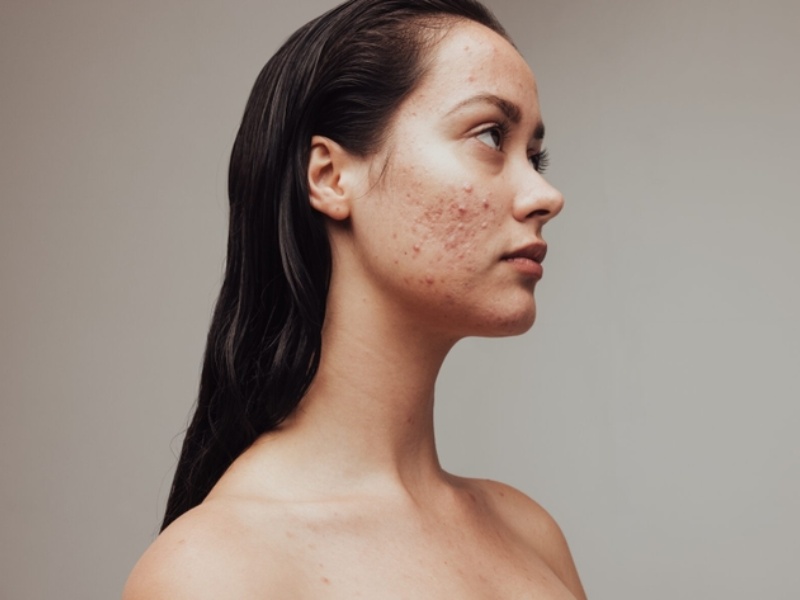
To design an effective regimen for treating hormonal acne in women, it is critical to accurately distinguish it from other dermatological conditions through its classic clinical presentation:
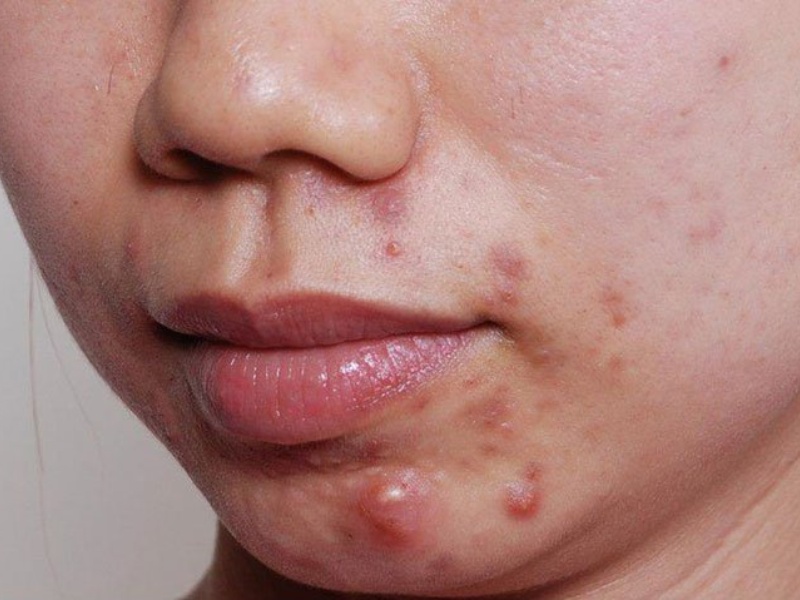
- Anatomical distribution: Breakouts are characteristically concentrated along the lower third of the face, specifically targeting the chin, jawline, and perioral region.
- Morphology: Lesions typically present as deep-seated, painful, erythematous nodules, papulopustules, or cystic lesions that exhibit significant inflammation.
- Cyclical flares: Flaring correlates closely with specific internal triggers, notably chronic psychological stress or regular shifts in the menstrual cycle.
- Demographic profile: Breakouts frequently persist or emerge well past adolescence, often flaring during adulthood or throughout the perimenopausal and menopausal transition.
Foundational principles of hormonal acne treatment
A widespread clinical misconception is that hormonal breakouts stem from poor facial cleansing habits or environmental pollutants. In reality, over-washing the skin or using aggressive, drying topicals strips away the natural lipid barrier, rendering the skin highly vulnerable to further microscopic tearing, secondary bacterial colonization, and worsened inflammation.
At its core, a hormonal breakout is a direct byproduct of systemic endocrine fluctuations, particularly an elevated ratio of circulating androgens relative to available estrogens. When serum androgen levels increase or when peripheral receptors show heightened sensitivity, the sebaceous glands are highly stimulated, causing a marked overproduction of sebum (oil).
This excess sebum mixes with hyper-keratinized dead skin cells within the pilosebaceous unit, forming a plug that blocks the pore. This environment fosters the proliferation of Cutibacterium acnes (C. acnes), triggering a deep inflammatory response. This sequence explains why these lesions are consistently inflamed, painful, and prone to regular recurrence.
Therefore, any effective approach to treating hormonal acne in women must simultaneously address multiple targets: controlling sebum production, reducing systemic inflammation, and supporting optimal hormonal balance from within. If you only manage the skin surface while ignoring internal drivers like chronic stress, sleep deprivation, or endocrine imbalances, the breakouts will continue to recur in tandem with your hormonal cycles.
Limitations of traditional oral acne medications
When managing moderate-to-severe cases of hormonal breakouts, dermatologists frequently prescribe targeted systemic therapies to realign endocrine markers or clear deep infections. According to clinical guidelines from the American Academy of Dermatology (AAD), specialists often implement targeted hormonal therapies – such as combined oral contraceptives (COCs) or spironolactone (an androgen receptor blocker) – particularly when breakouts correspond with menstrual irregularities or fail to improve with standard topical therapies. For severe, scarring, or highly resistant cases, oral isotretinoin may be prescribed under strict dermatological monitoring.
However, a prolonged reliance on these oral pharmacological options carries potential physiological challenges:
- Gastrointestinal and hepatic strain: Potent oral medications can irritate the gastric lining or cause transient elevations in liver enzymes.
- Systemic side effects: Patients frequently report widespread mucocutaneous dryness (cracked lips, dry skin), temporary hair shedding, or fluctuations in mood baseline.
- Bioavailability limitations: When vitamins, minerals, or active compounds are routed through the digestive tract, they undergo significant degradation and first-pass hepatic metabolism, preventing them from achieving immediate, optimal concentrations within dermal tissues.
Consequently, modern clinical practices are shifting away from relying on isolated therapies. Instead, specialists are increasingly pairing targeted medications with advanced intravenous micronutrient infusions. The choice to continue with oral medications, pivot to alternative delivery systems, or build a multi-layered care plan should be highly personalized to clear active breakouts while supporting long-term skin health.
Exploring effective ways to treat hormonal acne without recurrence
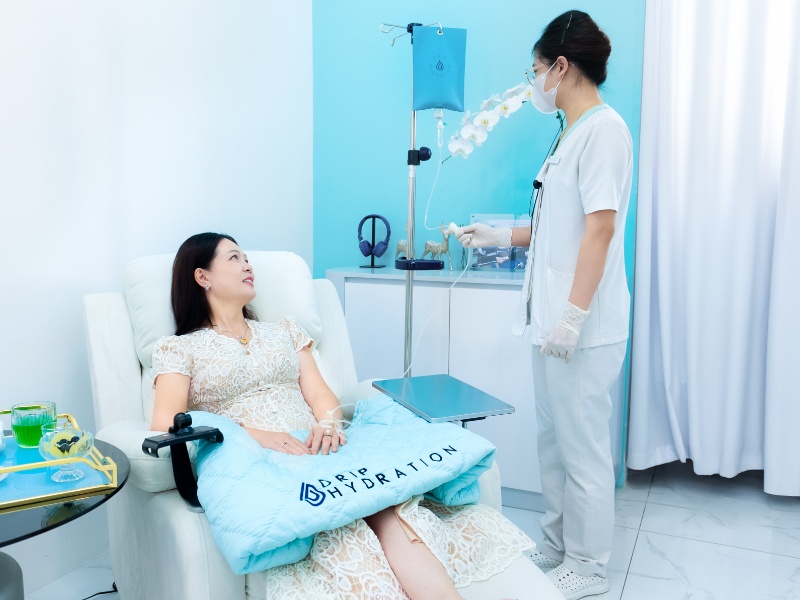
Rather than focusing solely on suppressive medications, contemporary dermatological protocols are designed to target the root causes of inflammation while supporting internal homeostasis and correcting micronutrient deficiencies. Alongside a standard clinical protocol prescribed by a physician, targeted intravenous micronutrient therapy can be a valuable tool to optimize nutritional baselines and support skin health from within.
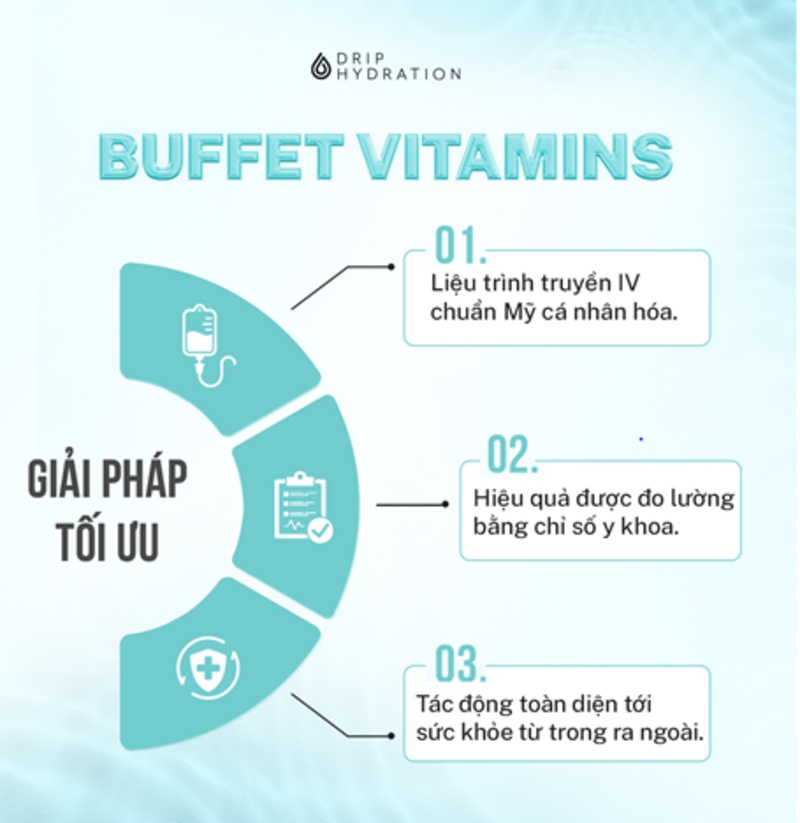
The Endocrine Balance IV Drip protocol at Drip Hydration is a specialized intravenous therapy crafted for women navigating hormonal breakouts, dull skin texture, chronic stress, or endocrine imbalances. This infusion delivers a synergistic blend of pure, medical-grade cellular antioxidants and vital cofactors:
- Glutathione: The body’s master antioxidant, which neutralizes free radicals, drives hepatic detoxification pathways, suppresses post-inflammatory hyperpigmentation (PIH), and restores skin radiance.
- Vitamin C: A critical cofactor for collagen synthesis that provides potent anti-inflammatory protection while reinforcing the skin’s baseline immune defenses.
- Alpha-Lipoic Acid (ALA): An amphipathic antioxidant that shields dermal cells from oxidative damage and helps slow down cellular aging.
- Vitamin B complex and Biotin: Synergize to restore cellular energy pathways, optimize sleep architecture, and strengthen hair and nail structures.
In addition to helping manage hormonal breakouts, this intravenous protocol supports improved sleep quality, lowers circulating stress markers, and helps maintain internal homeostasis, reducing the likelihood of regular breakouts driven by hormonal spikes.
Dietary strategies, lifestyle habits, and skincare practices to manage hormonal acne
To achieve long-term success and prevent recurrence, medical therapies must be supported by a structured, health-focused daily routine:
An anti-inflammatory nutritional approach
- Premium proteins: Wild-caught salmon and mackerel (rich in anti-inflammatory omega-3 fatty acids), organic eggs, and fresh oysters (abundant in zinc, a mineral required for cellular repair).
- Antioxidant-rich produce: Deep leafy greens (spinach, broccoli) and fruits packed with natural vitamin C (oranges, grapefruits, apples) to fight free radicals.
- Hydration and herbal infusions: Prioritizing pure filtered water, organic green tea, chamomile tea, or arrowroot water to support internal cooling and natural metabolic clearance.
- Items to limit: High-glycemic sweets, refined carbohydrates, dairy products, alcohol, and central nervous system stimulants.
Health-focused lifestyle adjustments
- Mitigating psychological stress: Prolonged stress triggers the adrenal glands to release cortisol, which disrupts collagen production and stimulates androgen pathways, causing hormonal flares. Incorporating low-impact yoga, mindfulness meditation, or daily walking can help maintain a calm mental baseline.
- Prioritizing sleep architecture: Securing a consistent night of deep sleep allows for optimal cellular regeneration and reinforces the skin’s natural protective barrier.
- Hygiene practices: Frequently laundering pillowcases, using clean face towels, and avoiding touching your face can minimize the introduction of external bacteria.
A structured, medical-grade topical skincare routine
While systemic care addresses the root internal triggers, a proper topical routine remains essential to maintain follicular clearance:
- Gentle cleansing: Utilizing mild, non-stripping cleansers or micellar waters to remove excess oil without disrupting the skin’s pH balance.
- Targeted anti-microbials: Applying topical anti-microbial solutions directly to active inflammatory lesions to control bacterial overgrowth.
- Active exfoliants: Incorporating alpha-hydroxy acids (AHAs), beta-hydroxy acids (BHAs), retinol, or azelaic acid tailored to your skin’s tolerance to facilitate cellular turnover and prevent pore blockage.
- Non-comedogenic hydration and photoprotection: Applying lightweight, oil-free moisturizers and maintaining daily broad-spectrum UV protection to shield vulnerable skin from solar damage.
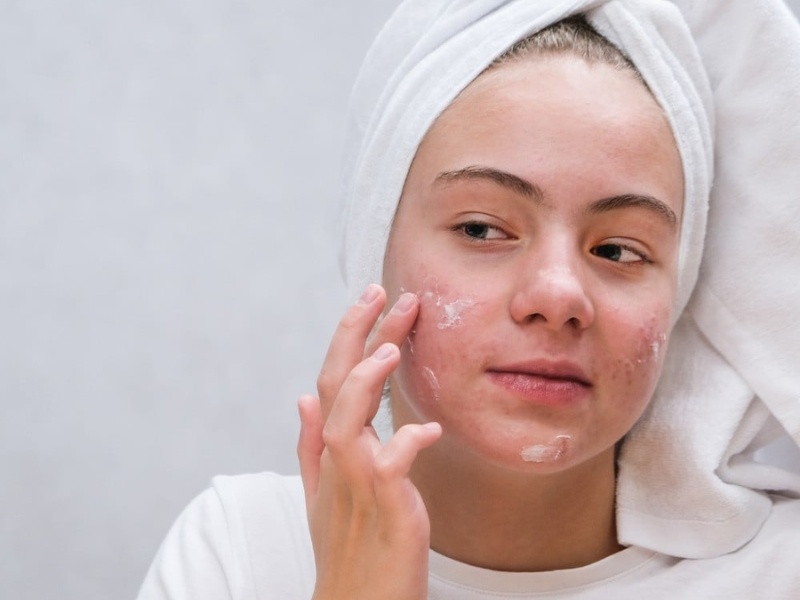
Treating hormonal acne in women is a gradual journey that requires patience and a thorough understanding of your body’s internal systems. By combining a targeted topical skincare routine and a healthy lifestyle with modern endocrine-supportive wellness protocols, you can effectively restore a smooth, radiant complexion and rebuild your inner confidence.
If you are dealing with persistent hormonal breakouts that recur in tandem with your menstrual cycle despite a thorough skincare routine, explore the Endocrine Balance IV Drip at Drip Hydration. This specialized therapy targets the root cause of hormonal acne from within. Rather than forcing artificial changes, it delivers an optimized blend of pure cellular micronutrients that strengthen the biochemical signaling pathways, empowering your body to naturally rebalance its own internal hormone production.
Contact our hotline at 090.1885.088 or register online here to schedule your personalized clinical consultation.
Source:
- “Acnce clinical guidelines”, “How to wash acne-prone skin” – American Academy of Dermatology
- “The relationship between stress, Cortisol and acne vulgaris” – Pubmed.ncbi.nlm.nih.gov
Bài viết của: Biên tập viên Drip Hydration