A decline in systemic immunity leaves the body vulnerable to chronic fatigue and infections. Proactive Vitamin C supplementation for weak immunity reinforces baseline defenses, drives cellular energy, and accelerates recovery. This comprehensive article delivers medical insights regarding clinical dosages, implementation methods, and advanced delivery systems for compromised individuals.
Understanding weak immunity
Clinically, individuals presenting with a weakened immune state typically fall into one of two distinct categories:
Group 1: Chronic immune deficiency linked to baseline physiology or chronic conditions
This cohort includes individuals with a constitutional vulnerability to frequent minor illnesses, underlying malnutrition, poor gastrointestinal nutrient absorption, or those managing chronic medical conditions that persistently drain immune reserves. For these individuals, boosting resistance is never a quick, short-term fix.
Instead, it demands a long-term therapeutic strategy that combines customized clinical nutrition, continuous medical monitoring, and thorough management of the underlying chronic condition to sustain baseline immunity over time.
Group 2: Temporary immune decline during a critical recovery phase
This group encompasses individuals currently recovering from recent surgical procedures, acute infections, foodborne toxic overload, occupational burnout, prolonged sleep deprivation, or post-illness exhaustion. During this critical phase, the body develops significantly elevated metabolic demands for hydration, cellular energy, and essential micronutrients to accelerate tissue repair and recovery.
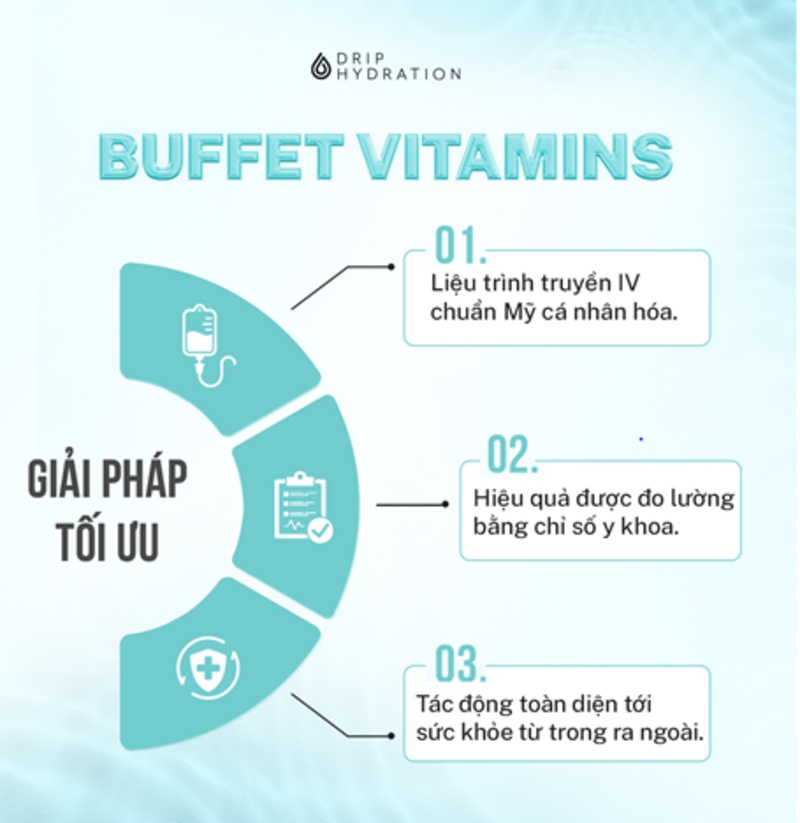
If you match this profile and are looking for a specialized, scientifically sound, and safe approach to micronutrient delivery, the comprehensive Immune Boost protocol at Drip Hydration represents a premier option. Drip Hydration is an international polyclinic system originating from the United States, leading the field in advanced intravenous micronutrient therapy (IV Therapy). Our specialized immune protocol is far more than a basic vitamin C infusion; it is an optimized formulation combining multiple active wellness compounds:
- Medical-grade, high-dose vitamin C: Boosts cellular energy, eliminates chronic fatigue, activates circulating white blood cells, and shields tissues from external pathogens.
- Glutathione: The body’s master antioxidant, which neutralizes free radicals, limits heavy oxidative stress, and drives hepatic detoxification pathways.
- Comprehensive B-complex spectrum (B1, B2, B6, B12, B9, B8, PP): Sustains critical mucosal immune barriers, drives cellular repair, and restores baseline physical stamina.
- Essential lipophilic vitamins (A, D3, E): Work synergistically to reinforce physical epithelial defenses, protect cell membranes, and promote rapid full-body recovery.
- Targeted hydration fluids: Instantly rehydrates cells at a deep systemic level, accelerating the clearance of metabolic waste products and cellular toxins.

The clinical benefits of vitamin C supplementation for weak immunity
A long-term decrease in immune function rarely stems from a single bad night of sleep or temporary overwork; it is often tied to hidden chronic malnutrition, poor intestinal absorption, or underlying metabolic stress that keeps the body from sustaining standard immune operations. In these scenarios, targeted vitamin C supplementation can help restore several essential physiological functions.
Boosting cellular energy and eliminating physical sluggishness
Individuals with compromised immunity frequently deal with chronic fatigue, low daily energy, and total exhaustion following minor physical or mental tasks. Vitamin C serves as an indispensable chemical cofactor in the endogenous synthesis of carnitine – a vital shuttle molecule responsible for transporting long-chain fatty acids directly into the mitochondria, where they are oxidized to generate ATP cellular energy. When vitamin C reserves are low, carnitine production stalls, manifesting as persistent physical weakness and reduced muscular endurance.
Beyond fueling cellular energy production, vitamin C significantly enhances the intestinal absorption of non-heme iron from dietary sources. According to a landmark study by Hallberg et al. published in The American Journal of Clinical Nutrition (1989), consuming vitamin C alongside a meal can step up non-heme iron absorption by approximately 1.65 to 9.57 times, depending directly on the exact dosage utilized. By ensuring the body is supplied with adequate iron, tissue oxygenation is optimized, helping to eliminate chronic sluggishness and low vitality.

Reinforcing the body’s natural defense barriers
Vitamin C is an essential nutrient required for the normal operation of both innate and adaptive immune branches, strengthening physical defense mechanisms against invading pathogens. In addition to supporting white blood cell functions, vitamin C provides vital antioxidant protection to prevent cellular damage during active inflammation, while reinforcing epithelial tissue integrity – the body’s primary physical line of defense against environmental bacteria and viruses.
- It upregulates the motility, chemotaxis, and phagocytic power of neutrophils and macrophages.
- It accelerates the rapid migration of white blood cells to active sites of infection to facilitate pathogen clearance.
- It shields circulating immune cells from the auto-oxidative damage caused by free radicals generated during respiratory bursts.
- It preserves epithelial tissue barrier functions, minimizing the risk of environmental pathogens breaching systemic pathways.
According to a comprehensive clinical review by Hemilä H. and Chalker E. published in the Cochrane Database of Systematic Reviews (2013), regular vitamin C supplementation successfully shortens the duration of the common cold by roughly 8% in adults and 14% in pediatric populations. Remarkably, within cohorts subjected to extreme physical stress – such as marathon runners, alpine skiers, and soldiers training in arctic conditions – consistent vitamin C intake cut the incidence of common respiratory infections by nearly 50%.
Accelerating systemic physical recovery
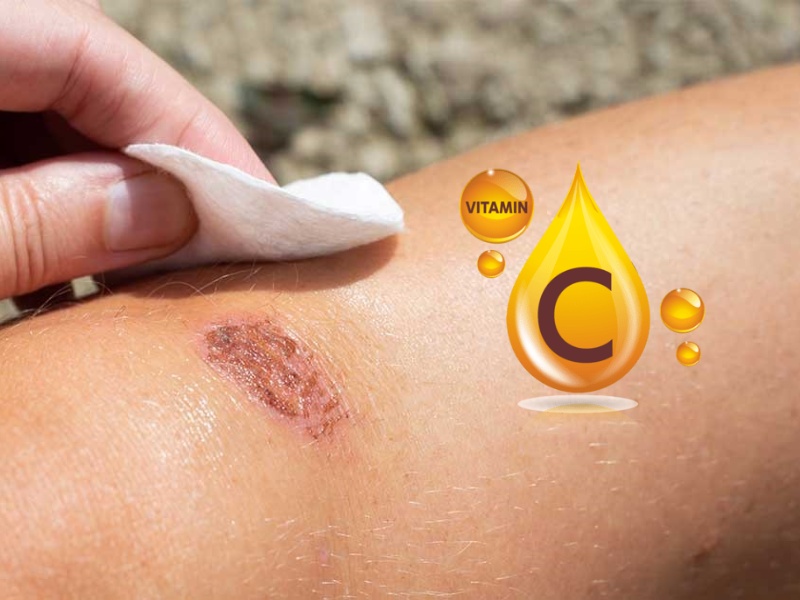
Individuals struggling with weak immunity caused by chronic malnutrition or prolonged illnesses typically experience a sluggish rate of physical recovery. Vitamin C is an absolute biological requirement for the synthesis of collagen, the primary structural protein making up connective tissues, skin, and blood vessels.
Ensuring an adequate supply of vitamin C supports efficient extracellular matrix remodeling, accelerating wound healing and structural recovery following extended bouts of illness. This nutritional support is vital for older adults, post-operative patients, or individuals recovering from physical trauma where nutritional baselines are suboptimal.
Providing potent systemic antioxidant defense
Prolonged illnesses, low-grade chronic inflammation, and underlying malnutrition are notoriously linked to a surge in systemic oxidative stress. When reactive oxygen species (ROS) accumulate excessively, they damage healthy cell membranes, degrade immune cell signaling, and delay the body’s natural healing timeline.
Vitamin C stands as an elite water-soluble antioxidant, capable of directly scavenging and neutralizing free radicals. This action protects vital cellular structures from oxidative damage and preserves a stable internal environment for standard metabolic and immune pathways. This defense is a key factor in helping the body adapt during long-term health recovery.
Recommended vitamin C dosage guidelines
To optimize health outcomes, vitamin C intake must be precisely tailored to your physiological status. Consuming high doses over long periods without professional guidance can lead to minor side effects, such as osmotic gastrointestinal upset, abdominal cramping, or an elevated risk of calcium oxalate kidney stone formation in susceptible individuals.
The standard daily Recommended Dietary Allowances (RDAs) established by the National Institutes of Health (NIH) for healthy adults are:
- Healthy adult men: Approximately 90 mg per day.
- Healthy adult women: Approximately 75 mg per day.
- Cigarette smokers: Require an additional 35 mg per day, as smoke exposure accelerates the depletion of systemic vitamin C stores.
- Tolerable Upper Intake Level (UL): Should not exceed 2,000 mg per day for adults to prevent digestive irritation.
Notably, a study by Carr AC et al. (2017) published in Critical Care demonstrated that acutely ill or hospitalized patients present with depleted plasma vitamin C concentrations, even when receiving standard baseline nutritional recommendations. The researchers highlighted that therapeutic dosages ranging from 2 g to 3 g per day are frequently required to restore healthy plasma saturation in critically ill patients – a dosage significantly higher than the baseline needs of a healthy adult.
Duration of Use
Vitamin C can be supplemented daily through dietary intake or supportive products. However, high-dose administration should be guided by a healthcare professional to prevent systemic accumulation or metabolic strain.
Common implementation methods
- Dietary integration: Prioritizing fresh, whole-food options naturally rich in vitamin C, such as guavas, citrus fruits, kiwis, strawberries, and broccoli.
- Oral health supplements: Utilizing oral tablets or capsules. To minimize potential gastric lining irritation, oral forms should ideally be consumed after meals alongside a full glass of water to support natural metabolic processing and safe renal clearance.
- Intravenous micro-nutrient infusions: Administering therapeutic formulations under professional medical supervision when rapid tissue saturation or advanced systemic recovery is needed.

Is an intravenous infusion effective for Vitamin C supplementation for weak immunity?
For individuals experiencing chronic immune depletion, persistent fatigue, post-illness exhaustion, or heavy physical strain, the body’s metabolic demand for vitamin C increases significantly. In these situations, oral Vitamin C supplementation for weak immunity may fall short of delivering rapid support, particularly if the individual is dealing with diminished appetite or poor digestive function.
The physiological caps of oral delivery
When vitamin C is consumed orally, it must navigate the gastrointestinal tract, where its absorption relies heavily on saturable sodium-dependent vitamin C transporters (SVCT1) in the intestinal mucosa. According to data verified by the NIH:
- At standard low doses (30 – 180 mg/day), the human gut absorbs roughly 70 – 90% of the nutrient.
- When a single oral dose exceeds 1,000 mg/day, the intestinal absorption rate drops below 50%.
- Any unabsorbed oral excess is simply passed into the large intestine, where it can cause osmotic diarrhea, while absorbed excesses are rapidly filtered out by the kidneys.
The clinical advantages of intravenous (IV) vitamin C delivery
- Maximized bioavailability : The active micronutrient is delivered directly into the venous circulation, bypassing gastrointestinal transport barriers entirely. This allows the body to achieve maximum plasma and tissue concentrations instantly.
- Rapid cellular support: This delivery method is ideal for individuals navigating chronic body weakness, post-sickness exhaustion, or compromised immunity who require immediate metabolic reinforcement to support the immune system.
- Zero gastrointestinal irritation: For patients with sensitive stomach linings, gastritis, or inflammatory bowel issues, intravenous delivery provides a safe option that completely avoids gastric irritation.
To maintain optimal safety, intravenous vitamin C should always be administered in a reputable medical clinic following a professional health evaluation. Because balanced immune function requires a spectrum of supporting nutrients – including B vitamins, zinc, magnesium, and cellular antioxidants – multi-nutrient protocols are often preferred to deliver comprehensive wellness support.
When undergoing a comprehensive Immune boost protocol at Drip Hydration, clients receive a thorough physical assessment and micro-nutrient baseline review by our expert physicians to customize the infusion to their unique physiological needs. The entire protocol follows American clinical standards, utilizing sterile techniques under the continuous observation of experienced nurses. Clients frequently report feeling a rapid wave of alertness, decreased physical exhaustion, and improved systemic lightness following their initial session.
Targeted vitamin C supplementation for weak immunity is a proactive strategy to reinforce natural defenses, rebuild cellular energy reserves, and protect the body against the demands of modern stress and environmental factors. Choosing the right delivery path can help restore long-term vitality and support sustainable systemic wellness. Contact the medical team at Drip Hydration today via our professional hotline at 0901.885.088 to speak with a specialist or schedule your clinical consultation online here.
References
- https://pmc.ncbi.nlm.nih.gov/articles/PMC5725835/
- https://www.sciencedirect.com/science/article/abs/pii/S0002916523342308
- https://www.cochrane.org/evidence/CD000980_vitamin-c-preventing-and-treating-common-cold
- https://ods.od.nih.gov/factsheets/VitaminC-HealthProfessional/?uid=009d3277a2b1bs16
Bài viết của: Biên tập viên Drip Hydration