Poor sleep quality does not merely drain your daytime energy; it severely compromises your nervous system and your body’s innate ability to recover. Improving sleep with magnesium helps relax the nervous system, lower environmental stress, and support entering a deep sleep state naturally and sustainably. Let us explore the biological mechanisms and the vital role of magnesium in improving sleep quality.
What is magnesium?
Magnesium is the fourth most abundant mineral in the human body and serves as an essential electrolyte. However, the body cannot manufacture magnesium endogenously, making it mandatory to obtain this nutrient through dietary intake or targeted supplementation.
Magnesium participates in more than 300 distinct enzymatic reactions, regulating everything from protein synthesis and glycemic control to blood pressure management. Its most critical role regarding the central nervous system is its ability to modulate neurotransmission and balance cellular ion concentrations. When a magnesium deficiency is present, the nervous system remains in a constant state of hyper-excitation, triggering symptoms of psychological stress, anxiety, and insomnia.
A comprehensive clinical study titled “Association of magnesium intake with sleep duration and sleep quality” (2021), published in the journal Sleep (Oxford Academic), evaluated 3,964 adult participants. The data revealed that the cohort with the highest dietary magnesium consumption demonstrated an approximately 36% higher likelihood of achieving adequate sleep duration and a 23% improvement in overall sleep quality compared to the group with the lowest consumption.
Notably, this statistical association remained robust even after adjusting for confounding variables such as age, body mass index (BMI), and lifestyle habits. This underscores that magnesium plays a substantial role in improving sleep quality, particularly for individuals dealing with long-term sleep disturbances or chronic insomnia.

What mechanisms allow magnesium to improve sleep quality?
Unlike conventional sedative medications that forcefully suppress central nervous system activity, magnesium optimizes sleep architecture through natural, sustainable biological mechanisms:
Activating GABA receptors
Gamma-aminobutyric acid (GABA) is the primary inhibitory neurotransmitter responsible for calming neural activity. Magnesium directly binds to and activates GABA receptors within the brain, down-regulating excessive neuronal firing and allowing the mind to ease into a restful, peaceful state.
Regulating cortisol and melatonin hormones
Magnesium actively decreases circulating levels of cortisol – the body’s primary stress hormone – which otherwise drives nocturnal alertness and physical agitation. Concurrently, it supports the pineal gland in maintaining a stable rhythm of melatonin production, enabling the body to accurately recognize when it is time to sleep.
Alleviating muscle tension and restless legs syndrome
Magnesium functions as a natural calcium antagonist within skeletal muscle tissue, allowing muscle fibers to fully relax following physical contraction. A systemic lack of magnesium frequently induces nocturnal leg cramps, painful muscle tightness, or Restless Legs Syndrome (RLS) (all of which are leading causes of tossing and turning throughout the night).

Inhibiting NMDA receptors
Magnesium acts as a biological blocker for N-methyl-D-aspartate (NMDA) receptors, which are responsible for neural excitation. By keeping NMDA activation under strict control, magnesium prevents the brain from entering a state of cognitive overload, helping to quiet racing thoughts before bedtime.
Improving sleep with magnesium: recommended dosage and usage guidelines
To successfully achieve the goal of improving sleep with magnesium, supplementation should strictly align with established Recommended Dietary Allowances (RDAs):
- Adult men: 400 mg – 420 mg per day.
- Adult women: 310 mg – 320 mg per day.
- Individuals with severe insomnia or chronic stress: Specialized physicians may prescribe higher therapeutic doses (typically 500 mg – 1,000 mg) within short-term, clinically supervised protocols.
Common methods of implementation
- Dietary sources: Incorporating magnesium-rich whole foods such as almonds, cashews, spinach, organic dark chocolate, and avocados into daily meals.
- Oral nutraceuticals: Prioritizing organic forms like magnesium glycinate or magnesium citrate due to their vastly superior intestinal absorption profiles compared to inorganic alternatives.
- Intravenous (IV) infusions: Administering specialized medical compounds, such as magnesium sulfate, directly into the venous circulation to bypass gastrointestinal pathways entirely.
Important safety considerations and potential side effects
Although magnesium is an incredibly safe mineral, supplementation must be approached with professional care:
- Gastrointestinal side effects: When consuming high doses of oral magnesium, the most frequent complaints include diarrhea, mild nausea, and abdominal cramping. This occurs because certain forms of magnesium possess natural osmotic laxative properties.
- Renal considerations: Individuals with compromised kidney function or chronic kidney disease must exercise absolute caution, as the kidneys serve as the primary filtration route for eliminating excess magnesium.
- Pharmaceutical interactions: Magnesium can bind to and decrease the therapeutic absorption of particular classes of oral antibiotics or bone density medications.
Oral vs. IV magnesium: Which delivery method is more effective?
Whether choosing oral supplements or IV therapy, both methods demonstrate clinical success in improving sleep with magnesium. Oral magnesium supplements are perfectly suited for long-term nutritional maintenance or managing mild, occasional sleep issues. However, for individuals navigating severe occupational burnout, long-term sleep deprivation, or physical exhaustion, the absorption efficiency of the digestive tract is often compromised, rendering oral routes less effective.
In contrast, an intravenous magnesium infusion delivers the active mineral directly into the blood vessels. By removing digestive blockages from the equation, the body accesses the mineral instantly, accelerating neural relaxation and restoring systemic homeostasis during periods of heavy physiological stress.
The table below provides a direct comparison between oral supplementation and intravenous delivery:
| Criteria | Oral magnesium supplementation | Intravenous (IV) magnesium infusion |
| Systemic absorption rate | Only 30% – 40% (restricted by digestive barriers) | ~ 100% immediate bioavailability in the bloodstream. |
| Therapeutic timeline | Demands consistent daily use for 4 – 8 weeks for visible shifts | Muscular and neural relaxation can be felt during the session |
| Digestive side effects | Prone to causing loose stools or gastric irritation at high doses | Completely bypasses the gut, causing zero digestive strain |
| Ideal clinical profile | Best for everyday preventative health in individuals with optimal digestion | Perfect for rapid neural recovery or patients with malabsorption issues |
| Medical supervision | Can be self-administered based on dietary requirements | Requires a medical evaluation and doctor’s prescription |
Magnesium for sleep support in the cellular detox and metabolic recovery drip
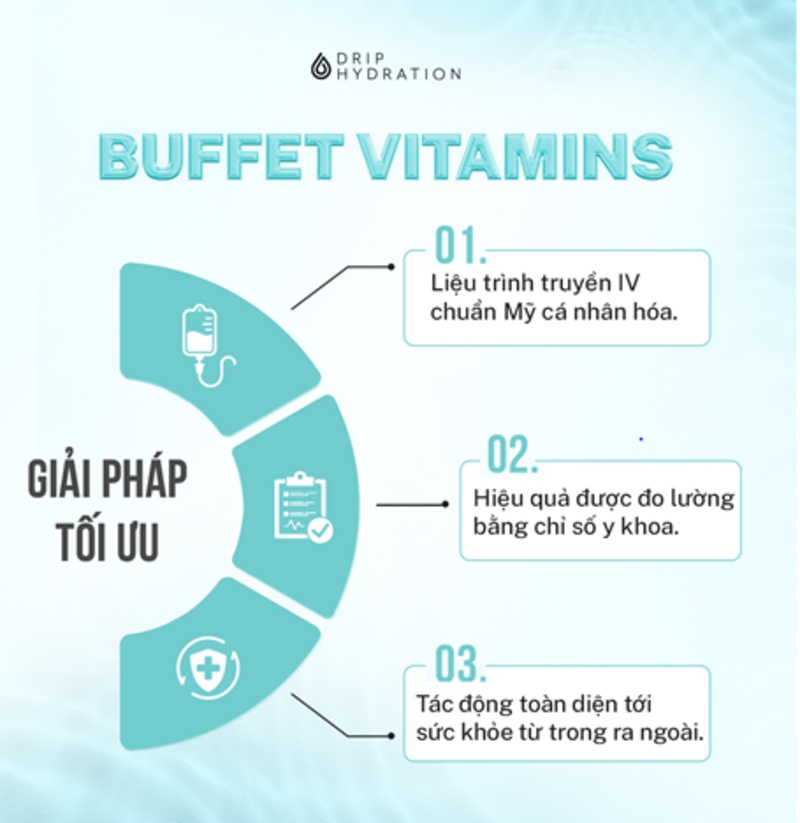
At Drip Hydration, magnesium is rarely administered as an isolated element; instead, it serves as a foundational component within Myers’ Cocktail – our comprehensive cellular detoxification and metabolic recovery drip. By directly mitigating systemic oxidative stress and correcting cellular metabolic imbalances, the nervous system receives the ideal environment to stabilize, helping users transition into a deep, completely natural sleep cycle.
Why do magnesium and vital micro-nutrients deliver deep, natural sleep?
Chronic sleep deficits are frequently the direct consequence of systemic toxic accumulation (heavy oxidative stress) and cellular metabolic blockages. Utilizing an advanced, American-standard formulation, our recovery infusion generates a powerful dual-action therapeutic effect:
- Magnesium (Mg): Restores neuro-muscular relaxation, upregulates beneficial GABA pathway activities, and lowers elevated cortisol rhythms to ease the body into a sleep-ready state.
- Vitamin B complex: Restores central nervous system pathways and cellular energy conversion, lifting mental exhaustion.
- Vitamin B12: Sustains healthy nerve transmission and establishes a balanced state of cognitive alertness.
- Vitamin C: Quenches free radicals, protecting cellular structures from the biological damage of chronic sleep loss.
- Glutathione: Neutralizes full-body oxidative stress and drives deep cellular metabolic rejuvenation.

Following a structured protocol of our cellular detoxification and metabolic recovery drip, clients report that they do not simply fall asleep faster; they achieve a higher quality of uninterrupted, restorative slow-wave sleep. They wake up the following morning experiencing clear mental sharpness, completely free from the morning grogginess or heavy-headed side effects typically associated with over-the-counter sleep aids.
Schedule your Myers’ Cocktail today by contacting our hotline at 090 1885 088. The professional medical team at Drip Hydration will provide an expert clinical consultation and design a safe, clinically effective protocol for improving sleep with magnesium.
References
- https://trungtamthuoc.com/pdf/magie-b6-traphaco-huong-dan-su-dung-trungtamthuoc.pdf
- https://academic.oup.com/sleep/article/45/4/zsab276/6432454?
Bài viết của: Biên tập viên Drip Hydration