Everyone knows that sleep deprivation damages health, yet professional workloads and life demands occasionally force us to stay awake. Instead of resigning yourself to a sluggish, unproductive workday, you can proactively revitalize your mind and body. This article outlines simple, scientific strategies on how to replenish energy after staying up late.
What happens inside your body following a night of sleep deprivation?
After a night of tossing and turning or pulling an all-nighter to clear deadlines, your body experiences metabolic and neurological disruptions at a cellular level. Below is what truly occurs inside your physiology when you are sleep-deprived:
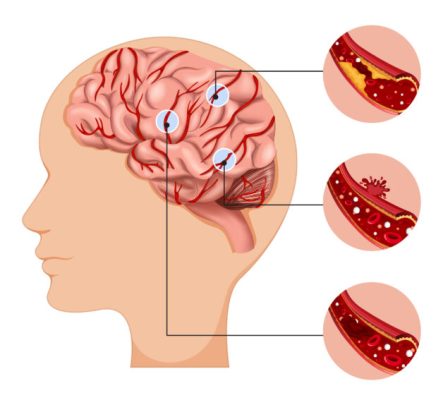
Cognitive overload and neurological decline
When you miss out on sleep, your brain’s information processing systems stall. Neurons struggle to communicate efficiently, causing delayed reflexes, poor spatial focus, and a severe drop in short-term memory recall.
Crucially, executive function in the prefrontal cortex – the region governing logical decisions and emotional control – is suppressed. Concurrently, the amygdala becomes hyperactive, making you highly vulnerable to unprovoked irritability, anxiety, and elevated workplace stress.
Endocrine disruption and systemic metabolic stagnation
Missing just one night of sleep upends your endocrine equilibrium. Circulating cortisol levels surge, causing peripheral vasoconstriction and elevated blood pressure metrics. Simultaneously, the hunger-regulating hormone pair becomes highly disrupted: the appetite-stimulating hormone ghrelin spikes, while the satiety-signaling hormone leptin plummets.
This hormonal shift explains why you experience intense cravings for sugar-laden carbohydrates and greasy foods the next day as your body attempts to artificially offset the energy deficit.
Acute immune system suppression
Deep sleep cycles represent the primary window where your body synthesizes critical cytokines – specialized proteins that protect tissues against acute inflammation and chronic infections. Depriving yourself of rest cripples this defensive barrier. Natural killer (NK) cell activity plunges, leaving your physiology highly vulnerable to bacterial or viral invasions, localized swelling, and profound physical fatigue.
5 scientific ways to replenish energy after staying up late
A night of sleep deprivation can turn the next morning into a baseline nightmare of exhaustion, mental fog, and physical weakness. Instead of abusing concentrated caffeine that delivers a brief spike followed by a severe afternoon crash, implement these 5 clinical wellness strategies to naturally rejuvenate your body:
Secure immediate exposure to natural morning sunlight
The biggest mistake you can make after a late night is remaining inside a dim room under artificial indoor lighting. Immediately upon waking, open your blinds or step onto a balcony to absorb direct, natural sunlight for 10 to 15 minutes. Daylight serves as a powerful environmental cue that suppresses melatonin synthesis while triggering early-morning cortisol release. This exposure clears drowsiness instantly while resynchronizing a disrupted circadian clock.
A landmark study titled “Associations between light exposure and sleep timing and sleepiness while awake in a sample of UK adults in everyday life” published in the Proceedings of the National Academy of Sciences (2024) by A. Didikoglu proved that absorbing high-intensity lux parameters immediately after waking significantly mitigates morning sleep pressure. Natural sunlight (averaging 10,000 to 100,000 lux) exhibits an alertness-activating capacity multiple times stronger than standard indoor lights (which barely register at 100 to 500 lux).

Implement deep hydration with essential mineral ions to drive circulation
Staying up late causes significant fluid loss through respiration and metabolic excretion, rendering your blood slightly viscous and restricting microcirculation. While a large glass of plain warm water is the essential first step to correct this deficit, adding a tiny pinch of unrefined mineral salt can optimize recovery. This subtle electrolyte addition helps stabilize osmotic pressure, promoting efficient water transport across cell membranes, supporting cardiovascular circulation, and easing post-sleep-loss headaches.
Utilize cold thermogenesis via a cold shower or ice water facial immersion
If your eyelids feel profoundly heavy, leverage a mild thermal shock to stimulate your autonomic pathways. Taking a brief cold shower or immersing your face into a basin of ice-chilled water for several seconds is the fastest way to awaken overstimulated nerves.
This abrupt temperature drop activates the sympathetic nervous system, causing peripheral vasoconstriction and a healthy uptick in heart rate. This response forces oxygen-rich blood straight to your core organs and brain, yielding instant mental clarity without relying on synthetic stimulants.
Consume a breakfast rich in high-quality protein and healthy lipids
Following a night of restricted sleep, your brain craves high-glycemic carbohydrates like white bread, sticky rice, or pastries for a quick glucose fix. However, eating refined starches causes a rapid blood sugar spike followed by a severe crash, leaving you more exhausted and sleepy by mid-morning.
Instead, make a smart nutritional choice by consuming a clean, protein-dense breakfast featuring whole eggs, turkey breast, or plain Greek yogurt paired with healthy monounsaturated fats like fresh avocado or raw nuts. Protein and healthy fats supply a slow-releasing energy stream, maintaining glycemic stability, extending satiety, and supporting cognitive focus throughout the day.

Engage in low-impact physical movement or outdoor walking
When physical fatigue strikes, our natural instinct is to remain sedentary, but resting continuously only worsens physical stagnation. Break this cycle by executing basic full-body stretches or taking a light 15-minute walk outdoors.
Engaging in low-impact physical activity increases your respiratory rate, promoting deep breathing and stimulating the heart to pump blood more efficiently to maximize cerebral oxygenation. Flooding your brain with oxygen clears mental fog, sharpens processing speeds, and restores your baseline focus and productivity.
3 dangerous mistakes that accelerate physical exhaustion after an all-nighter
Pulling an all-nighter or dealing with acute insomnia places your physiology in a state of high emergency. Navigating this critical window requires avoiding these three common, counterproductive mistakes:
Oversleeping and staying in bed until midday
The most frequent error is attempting to sleep off the deficit by staying in bed until noon. Rather than recovering lost energy, this habit completely deregulates your underlying circadian rhythms. Over-fragmenting your sleep cycles leaves you feeling deeply groggy and headachy by afternoon, while elevating your risk of insomnia the following night—trapping you in a vicious cycle of chronic fatigue.
Continuous consumption of commercial energy drinks and processed sweets
When heavy drowsiness hits, many individuals rely on a continuous intake of energy drinks, double-shot coffees, or sugary snacks. However, high sugar and caffeine densities deliver nothing more than a brief illusion of alertness.
Once your circulating blood sugar drops, your systemic energy plummets, often accompanied by vascular palpitations, internal jitters, and a deeper sense of physical depletion.
A clinical study titled “Caffeine and glucose homeostasis during rest and exercise” published in Applied Physiology, Nutrition, and Metabolism (2013) by Dessi P. Zaharieva demonstrated that staying up late reduces cellular insulin sensitivity by 24% to 40% after just one night of sleep loss.
Swallowing a commercial energy drink containing 27g to 40g of refined sugars floods your bloodstream with glucose that your cells cannot absorb due to this temporary, sleep-loss-induced insulin resistance.
Furthermore, introducing heavy caffeine at this stage blocks adenosine receptors while driving the release of excess cortisol and adrenaline, artificially elevating free glucose parameters and forcing your heart and kidneys to overwork in an already exhausted state.
Forcing high-intensity training sessions when muscles have not recovered
Believing that a heavy, grueling workout will shock your system awake and erase sleepiness is a dangerous clinical misconception. When you are sleep-deprived, your skeletal muscles and central nervous system have not recovered, causing a sharp decline in physical coordination and motor reflexes.
Forcing your body to execute heavy resistance training or intense cardio drives cortisol levels up, accelerates muscle wasting, and elevates your risk of acute musculoskeletal injuries or cardiovascular strain due to circulatory overload.
Frequently asked questions regarding health recovery after staying up late
What should I eat or drink after a late night to avoid gastric irritation and stomach pain?
Staying up late shifts your autonomic balance, causing your stomach to oversecrete gastric acid, which manifests as a burning, gnawing sensation. To protect your mucosal lining, begin your day with a large glass of warm water to neutralize excess acidity.
Next, prioritize soft, easily digestible whole foods such as warm chicken soup, rice porridge, or oatmeal. Avoid spicy seasonings, acidic citrus juices, or concentrated black coffee on an empty stomach to prevent acute gastritis or peptic ulcers.
How can I quickly eliminate a post-all-nighter headache and mental sluggishness?
To banish vascular headaches and mental sluggishness, your immediate priority must be systemic rehydration coupled with targeted B-complex and vitamin C loading to stabilize neural pathways. Additionally, dedicate 5 to 10 minutes to gently massaging your temples and executing basic neck-and-shoulder stretches to increase microcirculation to the brain.
Is there an advanced healthcare modality to reverse chronic fatigue for individuals working night shifts?
Maintaining a chronic night-shift schedule disrupts your biological clock, placing your cells in a constant state of energy depletion. Waking up with persistent brain fog, headaches, and poor concentration is a direct physiological consequence of cellular micronutrient deficiencies.
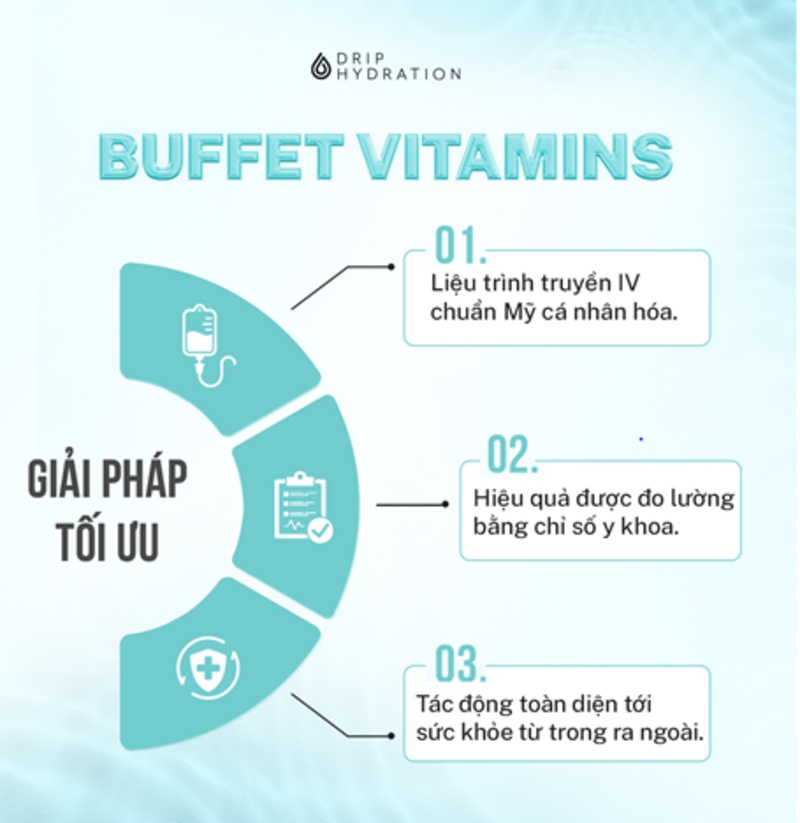
Temporary fixes such as espresso shots or commercial energy drinks provide only a brief boost, masking the underlying problem while placing additional strain on your cardiovascular system and often leaving you even more fatigued once the stimulant wears off. To address this depletion, contemporary preventive medicine focuses on restoring cellular function through intravenous micronutrient therapy (IV Therapy), which rapidly replenishes essential nutrients depleted during long nights of work.
Compared to traditional oral supplements – which require hours to process and experience significant breakdown across an inflamed digestive barrier – clinical intravenous delivery offers major medical advantages:
- Absolute bioavailability: High-potency nutrients cross directly into systemic circulation, delivering rapid cellular action while bypassing the digestive tract.
- Instantaneous physical relief: Alleviates physical exhaustion, calms hyperactive neural pathways, and restores cognitive clarity within a condensed timeframe.
- Safe, evidence-based medicine: Every protocol is executed within an accredited medical clinic, structurally customized based on your objective health metrics, and supervised by a licensed physician.
Do not let demanding professional routines drain your long-term health. Explore our specialized Energy Boost intravenous protocol at Drip Hydration proactive clinic. Engineered under strict US clinical guidelines, this targeted infusion therapy delivers vital cofactors to drive mitochondrial ATP production, reset your metabolism, and replenish your positive energy reserves:
- Vitamin B complex: Acts as the primary metabolic spark plug to convert nutrition into active cellular fuel, while protecting neurons against fatigue-induced degeneration.
- Vitamin B6: Directly facilitates key neurotransmitter synthesis, calming cerebral hyperactivity, lowering psychological strain, and optimizing your subsequent sleep architecture.
- Vitamin C: A powerful antioxidant that neutralizes free radicals generated by circadian disruptions, fortifying your immune defenses and eliminating systemic uể oải.
To secure a personalized wellness protocol tailored to your physical metrics, contact the Drip Hydration medical team today via our hotline at 090.1885.088 to schedule your clinical consultation.

Understanding how to replenish energy after staying up late through evidence-based methods is essential to reclaim your cognitive sharpness and safeguard your long-term vitality. Do not allow regular sleep depletions to compromise your systemic wellness. Listen to your body’s biological warning signs and restore vital micronutrients promptly to stay vibrant every single day.
References:
- “Associations between light exposure and sleep timing and sleepiness while awake in a sample of UK adults in everyday life” – Proceedings of the National Academy of Sciences (2024)
- “Caffeine and glucose homeostasis during rest and exercise” Applied Physiology, Nutrition, and Metabolism (2013)
Bài viết của: Biên tập viên Drip Hydration