Multivitamins for physical exhaustion are specialized dietary supplements containing essential vitamins and vital minerals formulated to close subclinical nutrient gaps – the root trigger behind prolonged fatigue, declining physical strength, and compromised immune resistance. Accurately understanding the biological role and appropriate utilization of multivitamins empowers the organism to naturally rebuild its energy baselines efficiently and sustainably.
How do multivitamins help restore baseline energy?
Physical exhaustion represents far more than a simple subjective feeling of being “tired.” From a biological standpoint, this state is characterized by profound nutrient depletions, dysregulated energy metabolism, and elevated oxidative stress. Utilizing multivitamins for physical exhaustion targets these three pathological pathways concurrently, initiating a systematic recovery by participating directly in cellular energy conversion and ATP synthesis.
Each distinct vitamin group executes a specialized biological function, working synergistically to maintain alertness and alleviate systemic fatigue.
- The B-complex family holds the central role in cellular energy production. Vitamins such as B1 (thiamine), B2 (riboflavin), B3 (niacin), B5 (pantothenic acid), B6, and B12 operate as essential coenzymes that drive the conversion of dietary carbohydrates, proteins, and lipids into adenosine triphosphate (ATP), the principal fuel currency of individual cells. When the body is provided with sufficient B vitamins, energy release pathways function far more efficiently, directly mitigating feelings of sluggishness and physical burnout.
- Vitamin C contributes to energy restoration by serving as an indispensable cofactor in the synthesis of carnitine, a molecule mandatory for transporting long-chain fatty acids into the mitochondria to undergo beta-oxidation. Concurrently, vitamin C acts as a powerful antioxidant, safeguarding delicate cellular architectures against the structural damage of oxidative stress, which represents a primary cause behind prolonged fatigue.
- Vitamin D supports neuromodulatory pathways and skeletal muscle function, enhancing physical stamina and reducing the chronic exhaustion linked to diminished muscular tone. Maintaining optimal circulating vitamin D levels allows the body to utilize its energy reserves more efficiently during daily operations.
- Essential fat-soluble antioxidant vitamins, such as vitamins A and E, protect lipid membranes and mitochondrial structures from oxidative degradation, thereby sustaining a stable and resilient energy output performance.
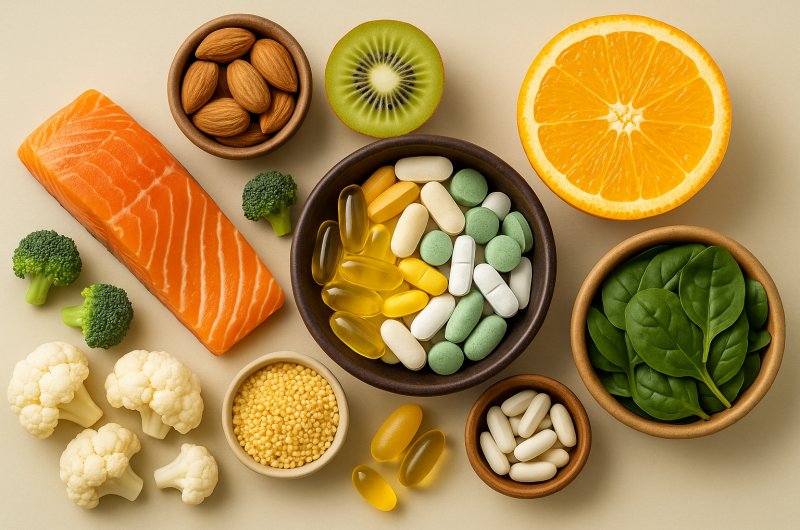
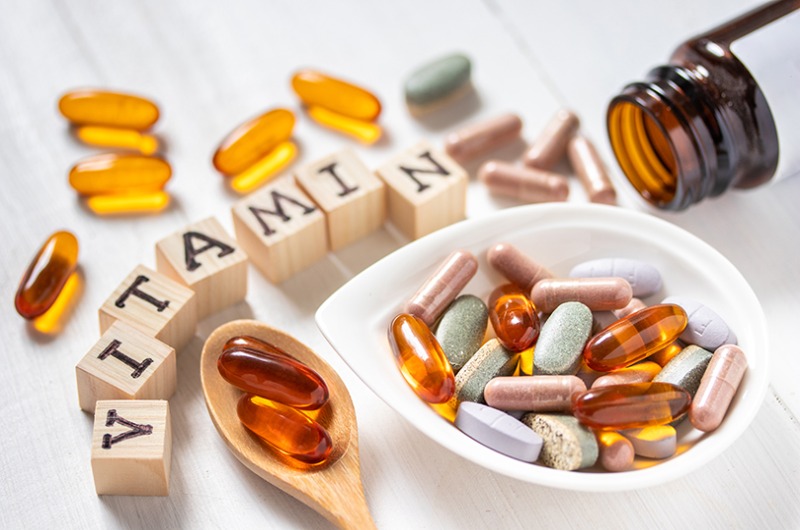
Multivitamins restore baseline energy by providing essential B-complex vitamins (such as B1, B6, and B12) mandatory for converting food into vital cellular fuel (Source: Internet)
Which key nutrients should be included in multivitamins for physical exhaustion to ensure rapid recovery?
When battling prolonged fatigue, multivitamins accelerate systemic recovery most effectively when they feature high concentrations of nutrient groups involved directly in energy metabolism, neurological function, and the attenuation of oxidative stress.
The specific clinical elements include:
- B-complex vitamins: This group represents the top medical priority because it drives baseline energy production. B vitamins alleviate prolonged fatigue, support both physical and mental rejuvenation, elevate cognitive sharpness, and maximize concentration spans. Ensuring an optimal intake of B vitamins empowers the organism to rapidly reclaim its physiological equilibrium, halting feelings of sluggishness and exhaustion. Shortages in B vitamins typically trigger unyielding lethargy, poor focus, and emotional irritability.
- Vitamin C: Acts directly to reduce physical exhaustion, reinforce immune resistance, and accelerate body tissue recovery, particularly when the system is severely weakened.
- Vitamin D: Functions to optimize muscle performance and bone health, eliminating full-body weakness and tiredness in sedentary individuals or those with restricted sunlight exposure.
- Vitamin E: Supports physical endurance retention, keeping the body resilient and mitigating fatigue caused by chronic oxidative stress.
- Vitamin A: Bolsters holistic physical health outcomes, enabling the body to adapt far better when managing prolonged fatigue.
When should you consider intravenous (IV) vitamin therapy for rapid revitalization?
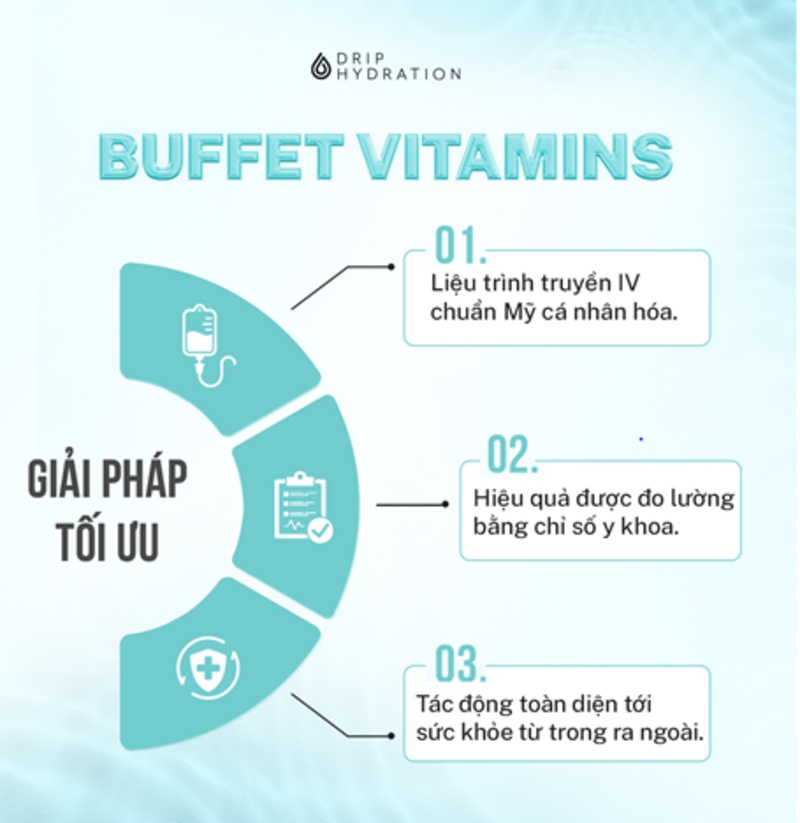
In clinical scenarios where oral supplements fail to deliver expected results due to digestive tract malabsorption or when a patient demands rapid, acute revitalization, intravenous (IV) vitamin therapy represents a highly effective short-term supportive solution.
IV nutrient therapy administers essential vitamins and minerals directly into the systemic circulation, establishing a maximum biological bioavailability that standard oral ingestion cannot achieve. These clinical infusion protocols typically feature concentrated doses of vitamin C, B-complex vitamins, and magnesium to swiftly optimize energy scores and neurological alertness within a brief window.
At specialized medical facilities like Drip Hydration clinics, intravenous protocols are completely personalized based on the severity of your fatigue, individual medical history, and clinical recovery targets. This advanced pathway is uniquely indicated when:
- Systemic fatigue persists for consecutive weeks, severely impairing daily living and career workflows.
- The body enters full-scale physical exhaustion following an illness or after enduring a phase of high psychological pressure.
- Malabsorption disorders within the gastrointestinal tract render oral multivitamin supplements sub-optimal or ineffective.
However, it must be emphasized that intravenous vitamin therapy is not a permanent replacement for a balanced diet and long-term health maintenance. It serves as an advanced clinical tool for rapid energy restoration and should always be administered within an accredited healthcare setting under expert medical supervision following a professional consultation.

Tablets, liquids, effervescents, or IV therapy: Which form is ideal for physical exhaustion?
Selecting the proper delivery mechanism directly dictates the speed of nutrient absorption, daily convenience, and clinical safety profiles. Below is an objective breakdown compiled from clinical experience and medical database analytics.
Standard tablets and capsules
Represent the most widespread choice, offering high dosage stability and excellent shelf life.
- Clinical downside: They exhibit slower absorption pathways and can trigger gastrointestinal irritation in individuals with sensitive stomach linings.
- Recommendation: Opt for formulations utilizing optimized targeted release technologies.
Liquid formulations
Liquid nutrients offer rapid absorption rates, representing an ideal alternative for individuals dealing with swallowing difficulties.
- Clinical downside: They frequently contain added sugars and chemical preservatives.
- Recommendation: Carefully analyze ingredient labels to avoid n Nạp thêm empty caloric loads.
Effervescent tablets
Provide high ease of consumption and relatively fast absorption.
- Clinical downside: They frequently carry high elemental sodium concentrations, making them sub-optimal for patients managing hypertension or cardiovascular conditions.
- Recommendation: Best restricted to short-term utilization during brief episodes of acute tiredness.
Intravenous (IV) vitamin therapy
Delivers the highest and fastest clinical efficacy.
- Clinical downside: Requires professional clinical deployment.
- Recommendation: Should only be initiated following a definitive medical consultation and proper clinical indications.
Sourcing vital nutrients from natural foods to combat body weakness
Even when incorporating advanced, highly convenient wellness products into your routine, an organic diet remains your indispensable foundation. When structuring a recovery menu, prioritizing a diverse array of vibrant colors and clean, high-quality proteins is highly recommended.
- Natural B-complex powerhouses: Whole grains, organic eggs, fresh fish, and nutrient-dense legumes supply raw, highly bioavailable B vitamins that sustain stable energy metabolism naturally.
- Vitamin C and antioxidant-dense selections: Citrus fruits, kiwi, bell peppers, and broccoli dramatically diminish systemic oxidative stress. Consume these items fresh or lightly steamed to prevent heat-induced nutrient loss.
- Vitamin D and essential minerals: Fatty fish, clean egg yolks, and fortified dairy optimize vitamin D profiles, while dark leafy vegetables, nuts, and seeds provide mandatory magnesium. Securing proper daylight exposure with correct timing and duration remains equally crucial.
- Bioavailable proteins and heme iron: Clean lean meats, organic liver, and seafood drive red blood cell formation (erythropoiesis) and structural muscle recovery. Pair these items with vitamin C-dense foods to significantly enhance iron absorption.
Harmonizing a nutrient-dense whole-food diet with target multivitamins for physical exhaustion yields optimum health outcomes, preventing long-term over-reliance on standalone pills.

Multivitamins for physical exhaustion deliver their peak therapeutic efficacy only when selected with correct ingredient ratios, in the right delivery format, and within the proper clinical context.
Underlying biological mechanisms clearly highlight the foundational roles that the B-complex family, vitamin D, vitamin C, and core minerals play in rebuilding physical stamina. Concurrently, a diverse diet and health-conscious lifestyle habits serve as your permanent pillars of wellness.
For individuals seeking multivitamins for prolonged fatigue, always prioritize evaluating the root cause of your exhaustion and pursue a medical consultation before moving toward advanced interventions like intravenous therapy.
References
- World Health Organization (WHO): Micronutrient
- Nutrients Journal: B-complex supplementation and fatigue outcomes.
- Journal of Clinical Endocrinology & Metabolism: Vitamin D and muscle function.
- Mayo Clinic Proceedings: Intravenous vitamin therapy—evidence and safety considerations.
Bài viết của: Biên tập viên Drip Hydration