Prolonged middle-age fatigue is a widespread health outcome, yet it is easily brushed off or mistaken for everyday stress, natural aging, or underlying chronic illnesses. In clinical reality, questioning whether your exhaustion is a fatigue from vitamin deficiency represents a critical step that should be addressed early. This is because nutrient depletions often manifest through silent symptoms, yet they exert a profound negative impact on your daily energy baselines, memory retention, and professional output.

Which specific nutrients cause middle-age fatigue?
According to extensive medical research published by authoritative institutions such as Harvard Health Publishing, the National Institutes of Health (NIH), and the Cleveland Clinic, the following specific micronutrients stand as the primary culprits behind physical and mental exhaustion in middle-aged adults:
1. Vitamin B12
Vitamin B12 participates directly in red blood cell production (erythropoiesis) and neurological protection. A progressive shortage of B12 deprives peripheral tissues and the brain of vital oxygen, triggering profound middle-age fatigue, muscle weakness, and even mild depressive states.
Common underlying causes: Declining biological absorption due to atrophic gastritis, long-term utilization of acid-suppressing medications, or strict restrictive diets lacking clean animal proteins.
2. Vitamin D
Vitamin D does not simply maintain structural bone density; it operates as a critical hormone regulator for immune resistance and muscle performance. Deficiencies are exceptionally prevalent among working professionals spending long hours indoors with minimal sunlight exposure, a demographic highly susceptible to middle-age fatigue. Typical signs include full-body muscle aches, unexplained exhaustion, and a heightened vulnerability to frequent infections.
3. Vitamin B9 (Folate)
Folate is highly essential for cellular DNA synthesis and new tissue formation. Missing out on adequate folate disrupts healthy red blood cell maturation, leading to macrocytic anemia and persistent lethargy. Common indicators include: skin pallor, ambient headaches, irritability, and easy forgetfulness.
4. Vitamin C
Beyond reinforcing immune defenses, vitamin C is a mandatory cofactor that enhances iron absorption, an element vital for blood oxygen transport. When a shortage occurs, you may battle long-term, unyielding middle-age fatigue and a higher rate of catching seasonal flus.
Clinical insight: Mild vitamin C depletion is highly difficult to diagnose on standard exams, but its long-term accumulation severely degrades cognitive sharpness and daily work performance.
Why do these specific nutrient shortages cause middle-age fatigue?
The physiological mechanism of middle-age fatigue from nutrient depletion initiates when core pathways tied to energy metabolism, oxygen transport, and neurological signaling become severely dysregulated.
As the biological basal metabolic rate naturally slows down during this stage of life, lacking critical micronutrients like B12, vitamin D, or folate forces the body into the following states:
- Synthesizing far less ATP (adenosine triphosphate: the vital energy fuel for individual cells)
- Scrambling the production of major neurotransmitters such as serotonin and dopamine
- Triggering hematological disorders that restrict microvascular oxygen delivery to vital target organs
According to the British Medical Journal, systemic fatigue represents one of the earliest and most widespread warning signs of subclinical micronutrient depletions in adults.
Distinguishing middle-age fatigue from other medical illnesses
To prevent misdiagnosing the root cause of your exhaustion, you can evaluate your symptoms against the following clinical criteria:
| Criterion | Fatigue from vitamin deficiency | Fatigue from other medical causes |
| Onset pattern | Develops subtly, progresses slowly, and remains prolonged over time | Appears abruptly or manifests in erratic, cyclical episodes |
| Accompanying indicators | Skin pallor, numbness in extremities, deep muscle aches, and memory fog | Chronic insomnia, unprovoked weight loss, ambient anxiety, or high blood pressure |
| Response to supplementation | Demonstrates measurable improvement (typically within 2 to 4 weeks) | Shows minimal to zero change unless the root underlying illness is treated |
| Diagnostic laboratory workup | Reveals explicit sub-optimal or deficient circulating vitamin concentrations | Exhibits abnormalities in specialized panels (thyroid profiles, cardiovascular markers, etc.) |
Clinical note: Undergoing targeted blood work to evaluate exact levels of B12, vitamin D, and folate is highly recommended if you are battling prolonged, unexplained middle-age fatigue.
Actionable strategies to reverse middle-age fatigue
- Adhering to a balanced diet: Proactively increase your intake of dark leafy vegetables, whole grains, fatty fish, clean eggs, organic meats, and vibrant citrus fruits.
- Securing early morning sunlight: Spending 15 to 20 minutes outdoors daily safely stimulates your skin’s natural vitamin D synthesis.
- Undergoing routine health screenings: Dedicate time for laboratory wellness panels every 6 to 12 months to catch early-stage nutrient depletions before they progress.
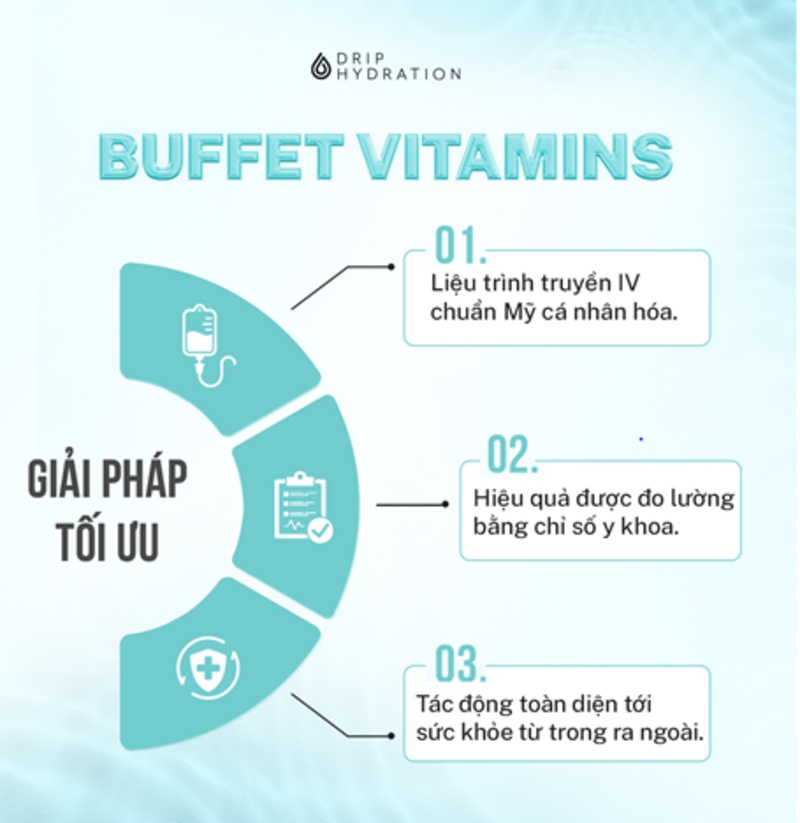
- Utilizing targeted oral supplementation or advanced intravenous (IV) vitamin therapy: This approach is exceptionally beneficial for individuals suffering from compromised digestive tracts, chronic career burnout, or full-body exhaustion where oral uptake is heavily restricted.
Currently, Drip Hydration clinics provide comprehensive medical assessments and laboratory screenings to evaluate your exact nutritional profiles, coupled with customized, therapeutic intravenous vitamin infusions (IV vitamin therapy). To receive expert guidance and initiate an intravenous protocol tailored to alleviate middle-age fatigue, rebuild physical resilience, and optimize your systemic wellness, book your professional consultation today.
Reach out to the Drip Hydration team via our hotline at 0901885088.
References: Harvard Health Publishing, National Institutes of Health (NIH) và Cleveland Clinic, British Medical Journal
Bài viết của: Biên tập viên Drip Hydration