Boosting cellular energy does not just relieve fatigue; it serves as the foundational cornerstone for physical stamina, mental clarity, and restorative sleep quality. When energy levels plummet at the cellular level, the body easily falls into a state of exhaustion, emotional imbalance, and comprehensive systemic dysregulation.
How is cellular energy produced?
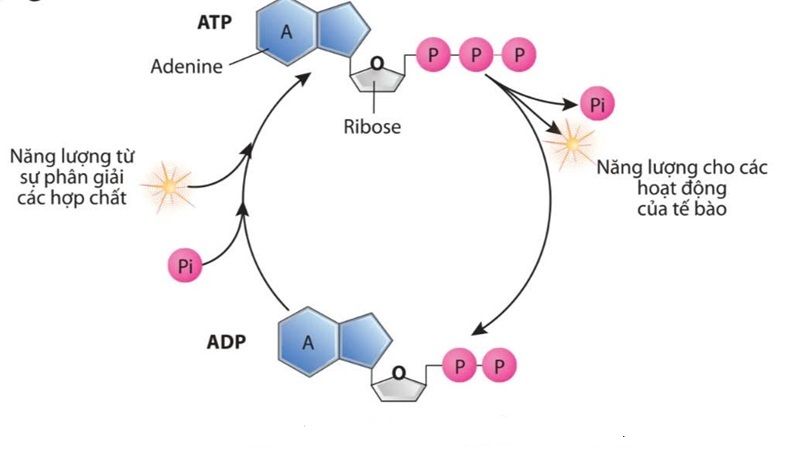
Cellular energy is primarily generated within the mitochondria – the “energy powerhouses” of the cell. Here, nutrients derived from food, such as carbohydrates, fats, and proteins, undergo metabolism through cellular respiration to produce adenosine triphosphate (ATP), the direct fuel source powering every vital physiological function.
This pathway relies heavily on oxygen, specific enzymes, and an array of essential micronutrients, including B-complex vitamins, magnesium, and iron. When mitochondria function at peak efficiency, cells receive adequate energy to sustain their operations, keeping your body healthy, alert, and resilient every day.
What is boosting cellular energy, and why is it the root of physical stamina?
Boosting cellular energy is the biological process of enhancing the production, storage, and utilization of energy within individual cells, primarily in the form of ATP – the fundamental energy currency that sustains all living activities. ATP plays a central role in metabolic pathways, empowering cells to perform their biological duties with high efficiency.
When cellular energy is consistently supplied and efficiently generated, cells can function more endurantly, recover rapidly, and adapt better to environmental stressors as well as physical exertion. Consequently, the body successfully maintains its operational performance and overall wellness.
If your cells run low on energy, your body fatigues quickly, experiences decreased tolerance, suffers from easy burnout, and exhibits slower recovery times following strenuous activity or illness. Conversely, when cellular energy is optimized, particularly through the performance of mitochondria (the cell’s energy powerhouses), the body will:
- Sustain muscle activity longer with minimal fatigue
- Enhance the conversion efficiency of oxygen and vital nutrients
- Improve both physical and mental stamina
- Support anti-inflammatory pathways, tissue repair, and cellular regeneration
Therefore, boosting cellular energy does not simply make you “feel healthier” in the short term; it establishes a solid foundation for comprehensive, long-term physical stamina. If stamina were a house, cellular energy would be the foundation that dictates the structural integrity of the entire building.
Is your body lacking energy at the cellular level?
When the body experiences a cellular energy deficiency, the symptoms rarely manifest abruptly; instead, they emerge subtly, persist over time, and are easily overlooked. However, this fundamental energy decline directly impairs your physical performance, mental state, sleep architecture, and daily emotional balance.
- Persistent fatigue and low stamina: The body remains in a constantly drained, low-battery state, making it difficult to maintain physical resilience even without engaging in heavy labor or after getting adequate rest.
- Declining concentration and mental performance: The brain operates inefficiently, resulting in forgetfulness, sluggish thinking, difficulty focusing, and a reduced capacity for decision-making due to a shortage of ATP in neurons.
- Sleep disturbances: You feel exhausted but struggle to fall asleep, experience restless sleep, or wake up feeling sluggish because the nervous system fails to fully recover during the night.
- Emotional instability: Becoming easily irritable, anxious, stressed, or feeling down without a clear reason – clear warning signs that the body is experiencing an internal imbalance.

Common causes behind declining cellular energy
A drop in cellular energy typically stems from familiar habits and stressors in modern daily life. Recognizing the underlying factors below helps clarify why the body becomes easily fatigued and slow to recover.
- Deficiencies in essential nutrients: A diet lacking B-complex vitamins, magnesium, iron, or CoQ10 directly disrupts ATP synthesis inside the mitochondria, leaving cells starved of the vital energy needed to operate efficiently.
- Prolonged psychological stress: Chronic stress dysregulates hormones, elevates free radicals, and forces mitochondria into a state of overwork, leading to a steady decline in cellular energy over time.
- Sleep disorders: Getting insufficient sleep or suffering from poor sleep quality deprives the body of the time needed to replenish its energy reserves, trapping cells in a prolonged state of energy deficiency.
- Diets high in sugar and processed foods: These dietary choices trigger intense blood sugar fluctuations, exacerbate systemic inflammation, and directly crazier mitochondrial function – the cell’s energy powerhouses.
- Physical inactivity or overtraining: A sedentary lifestyle causes mitochondria to weaken and whither, while excessive exercise without proper recovery windows rapidly depletes cellular energy reserves.
- Aging and underlying medical conditions: Biological aging, chronic illnesses, or persistent low-grade inflammation can reduce both the quantity and the operational efficiency of mitochondria, resulting in diminished cellular energy.

Nutrients frequently studied for their role in boosting cellular energy
To achieve a sustainable enhancement in cellular energy, the body requires support from nutrients that participate directly in mitochondrial pathways. Below are the key compounds that scientific research focuses on for optimizing energy production at the cellular level.
B-complex vitamins – Essential coenzymes in energy production
B-complex vitamins play a definitive role in metabolizing carbohydrates, fats, and proteins into ATP – the vital fuel for cells.
This group includes:
- B1 (thiamine),
- B2 (riboflavin),
- B3 (niacin),
- B5 (pantothenic acid),
- B6, B7, and B12.
All of which participate directly in enzymatic reactions within the mitochondria. A shortage of B vitamins typically impairs energy production and causes prolonged fatigue. Example: Vitamin B12 is uniquely critical for energy metabolism and red blood cell formation, ensuring that oxygen is efficiently transported to tissues to be “burned” for energy production
Coenzyme Q10 (CoQ10) – The biological battery of mitochondria
CoQ10 is a vitamin-like compound localized predominantly within the mitochondria, playing an indispensable role in the electron transport chain – the final stage of ATP production. As the body ages, the endogenous synthesis of CoQ10 declines noticeably, heavily impacting physical stamina and energy production capacity.
According to a 2021 study titled “The effect of dietary Coenzyme Q10 plus NADH supplementation on perceived fatigue and health-related quality of life in individuals with chronic fatigue syndrome/myalgic encephalomyelitis” published by the NIH, research was conducted on 207 patients over a 12-week period. The results demonstrated a significant reduction in perceived fatigue (measured via the FIS-40 scale) compared to baseline values. Additionally, sleep parameters, including total sleep time and sleep efficiency, showed measurable improvements by weeks 4 and 8 within the group receiving the CoQ10 + NADH combination.

L-Carnitine – Transporting fuel into the cellular powerhouses
L-Carnitine is an amino acid derivative responsible for transporting long-chain fatty acids across the mitochondrial membrane to undergo oxidation for energy creation. Beyond supporting ATP production, L-Carnitine assists in reducing muscle fatigue and optimizing recovery efficiency following physical exertion. Furthermore, it enhances the body’s capacity to utilize fat stores for fuel, which is exceptionally beneficial during physical activity when ATP demands spike.
Magnesium – The mineral champion of energy enzymes
Magnesium is a central mineral cofactor in over 300 enzymatic reactions, including the foundational steps of ATP production within the mitochondria. A magnesium deficiency can trigger systemic fatigue and muscle weakness because enzymes operate sub-optimally during the energy-creation process. Additionally, magnesium supports physical muscle relaxation and enhances deep sleep architecture, a critical factor that indirectly influences overall cellular energy reserves.
PQQ (Pyrroloquinoline Quinone) – Supporting mitochondrial biogenesis and protection
Although still in the early stages of comprehensive clinical research, PQQ is a compound of high interest due to its capacity to stimulate mitochondrial biogenesis – the creation of brand-new mitochondria – while safeguarding existing mitochondrial structures. Biological studies demonstrate that PQQ helps the mitochondrial network operate more efficiently, thereby supporting healthy ATP production.
In short, boosting cellular energy is the essential foundation that empowers the body to sustain physical stamina, maintain sharp alertness, and trigger natural self-recovery mechanisms against physical and mental pressures. When appropriately supported through targeted nutrition, a healthy lifestyle, and proactive mitochondrial care, the body functions far more efficiently, ultimately elevating long-term quality of life.
The Energy Boost by Drip Hydration represents a major breakthrough in cellular energy enhancement, allowing your body to recover rapidly and feel revitalized immediately after the very first session. This medically compliant, fully licensed treatment is trusted globally and has rapidly expanded to over 100 major cities, including Ha Noi and Ho Chi Minh. Call 0901885088 to schedule your personalized service consultation.
References:
- https://pubmed.ncbi.nlm.nih.gov/30201141/
- https://pmc.ncbi.nlm.nih.gov/articles/PMC7019700
- https://pubmed.ncbi.nlm.nih.gov/34444817/
- https://pmc.ncbi.nlm.nih.gov/articles/PMC6541229/
Bài viết của: Biên tập viên Drip Hydration