Body energy dictates your capacity to work, process cognitive tasks, and maintain daily quality of life. When your body experiences an energy deficit, you easily fall into state of fatigue, diminished concentration, and long-term health decline. Understanding the true nature of biological energy and how to restore it from within is the ultimate key to living a healthy, resilient life.
What is body energy ?
Body energy is the biological capacity that empowers individual cells to execute all living operations, ranging from respiration, blood circulation, and neurotransmission to muscle movement and cognitive brain function. At the cellular level, this energy exists predominantly in the form of adenosine triphosphate (ATP).
ATP is generated within the mitochondria. the “energy powerhouses” of the cell. Research published in Nature Reviews Molecular Cell Biology (2022) demonstrates that mitochondria operate as the central hubs for energy metabolism, where oxidative phosphorylation takes place, accounting for the production of over 90% of total ATP in animal cells under aerobic conditions. This is the foundational mechanism driving oxidative metabolism.
In other words, every single expression of human life relies directly on the body’s capacity to synthesize and utilize ATP. When this metabolic pathway is impaired, the body rapidly enters a state of persistent exhaustion and sluggishness.

Many individuals mistake true biological energy for the temporary sensation of “alertness” experienced after consuming a cup of coffee. In reality, caffeine merely blocks the neurological receptors responsible for triggering drowsiness; it does not generate any new biological energy. Genuine energy must come directly from cellular metabolism.
Sustainable biological energy relies on three essential elements: adequate nutrients, oxygen, and a healthy metabolic system. Lacking any of these three core pillars will cause your Body energy to deplete.
Energy serves as the fundamental cornerstone for every living activity within the organism, playing an indispensable role in maintaining the function of cells and major organ systems:
- Sustaining cellular operations: ATP provides the vital fuel for foundational living processes, including cellular synthesis, molecular transport, and structural tissue repair.
- Supporting movement and muscle function: Biological energy dictates muscle contraction capacity, physical stamina, and athletic output performance.
- Ensuring neurological function: The brain demands a continuous supply of energy to transmit nerve impulses and execute complex information processing.
- Boosting immune resistance: Energy empowers immune cells to operate efficiently, safeguarding the body against external diseases.
- Maintaining metabolic balance: Energy pathways contribute directly to regulating systemic metabolism and stabilizing internal homeostasis.

Warning signs of body energy deficiency
When the synthesis and utilization of energy within the body decline, the following symptoms may emerge:
- Persistent fatigue: A continuous sensation of exhaustion and low vitality that fails to improve even after resting.
- Diminished concentration: Experiencing brain fog, sluggish thinking, and easy forgetfulness.
- Poor physical stamina: Fatiguing rapidly during standard daily activities or light exertion.
- Excessive daytime sleepiness: Feeling consistently drowsy despite securing an adequate duration of sleep.
- Fluctuating mood patterns: Becoming easily irritable, anxious, or suffering from a severe loss of motivation.

Underlying causes behind decreased body energy
Body energy can drop significantly when the processes of energy production and utilization become dysregulated at the cellular level. This decline typically stems from modern lifestyle habits, environmental stressors, and prolonged nutritional deficiencies:
Micronutrient deficiencies and nutritional imbalances
Micronutrients such as B-complex vitamins, vitamin C, magnesium, iron, and zinc serve as direct cofactors in the ATP production cycle. When these vital nutrients are lacking, the mitochondrial network cannot operate efficiently. According to the World Health Organization (WHO), iron deficiency stands as the leading cause of chronic fatigue worldwide, particularly impacting women and high-intensity mental laborers.
Sleep disturbances and circadian rhythm disruptions
Getting insufficient sleep or suffering from poor sleep quality severely disrupts the body’s natural energy replenishment windows. During stages of deep sleep, the organism actively repairs cellular structures and rebalances essential hormones.
A study titled “Sleep deprivation alters metabolic markers including ATP” evaluated 19 young, healthy individuals. The results demonstrated that following a single night of total sleep deprivation, blood ATP concentrations plummeted significantly compared to levels recorded after a normal night of sleep. This clinical finding highlights that sleep loss directly degrades the body’s bioenergetic status, reflecting a severe disruption in energy metabolism caused by insomnia.
Prolonged psychological pressure and oxidative stress
Chronic psychological stress overactivates the sympathetic nervous system, rapidly exhausting the body’s stored energy reserves. Concurrently, stress triggers an overproduction of free radicals, causing structural damage to the mitochondria.
A study titled “Chronic stress targets mitochondrial respiratory efficiency in the skeletal muscle of C57BL/6 mice” examined female C57BL/6 mice subjected to chronic variable stress (CVS). The data revealed that chronic stress significantly reduced electron transport chain efficiency and impaired mitochondrial respiratory function within skeletal muscles. Consequently, this led to a distinct drop in ATP synthesis efficiency (diminished energy metabolism capacity) compared to the non-stressed control group.
Sedentary lifestyles and improper training habits
Engaging in moderate physical activity stimulates mitochondrial biogenesis – the creation of new mitochondria. Conversely, a sedentary lifestyle reduces mitochondrial density over time. On the other end of the spectrum, overtraining without allocating adequate recovery windows completely drains cellular energy. This explains why many gym-goers who exercise frequently still battle chronic, long-term fatigue.

Practical ways to naturally boost your energy levels
Many individuals turn to caffeine or sugary snacks for a “quick fix,” but these temporary chemical stimulants only deliver short-lived alerts and frequently leave the body far more exhausted over the long term. Boosting energy from within cells is the only sustainable strategy to maintain long-term health and peak daily performance.
Prioritizing energy restoration from within
To secure sustainable physical stamina, you must initiate support from deep within the cell. Safeguarding mitochondrial function and delivering an adequate supply of essential micronutrients empowers the body to generate its own stable energy organically by:
Adhering to a balanced, timely diet
Consuming clean proteins, healthy fats, and complex carbohydrates provides a steady stream of raw fuel for ATP synthesis. B-complex vitamins are indispensable coenzymes within the Krebs cycle.
A 2010 study titled “Effects of high-dose B vitamin complex with vitamin C and minerals on subjective mood and performance in healthy males” evaluated 215 healthy men aged 30 – 55.
The participants received a high-dose B-complex supplement combined with vitamin C and essential minerals. Following 33 days (4 weeks) of regular supplementation, the treatment group exhibited significant improvements in perceived “vitality,” a measurable reduction in mental fatigue, lower scores of psychological stress, and enhanced cognitive performance during numerical processing assessments.
Sustaining optimal hydration
Even mild dehydration can impair cellular energy production efficiency. Water is a mandatory component in every single biochemical reaction, including the synthesis of ATP.
Securing restorative sleep aligned with circadian rhythms
Entering deep sleep cycles boosts the natural secretion of growth hormone and melatonin, both of which are critical for mitochondrial repair. This forms the biological foundation for replenishing your body’s energy naturally. Public health experts strongly recommend maintaining a fixed bedtime schedule and eliminating electronic blue light exposure prior to resting.
Engaging in regular physical movement
Structured, moderate-intensity exercise, such as brisk walking, yoga, or brief high-intensity interval training (HIIT), stimulates the creation of new mitochondria. The vital factor is balancing physical output with proper recovery to prevent energy burnout.
Enhancing energy pathways via micronutrient therapy
In the fast-paced modern world, many individuals find it challenging to absorb a sufficient amount of essential micronutrients solely through food. Intravenous (IV) nutrient therapy delivers essential vitamins and minerals directly into the bloodstream, completely bypassing the digestive tract for immediate cellular uptake. Supplementing with customized vitamin C and B-complex infusions helps rapidly optimize baseline energy levels and alleviates systemic fatigue among individuals under high-intensity workloads.
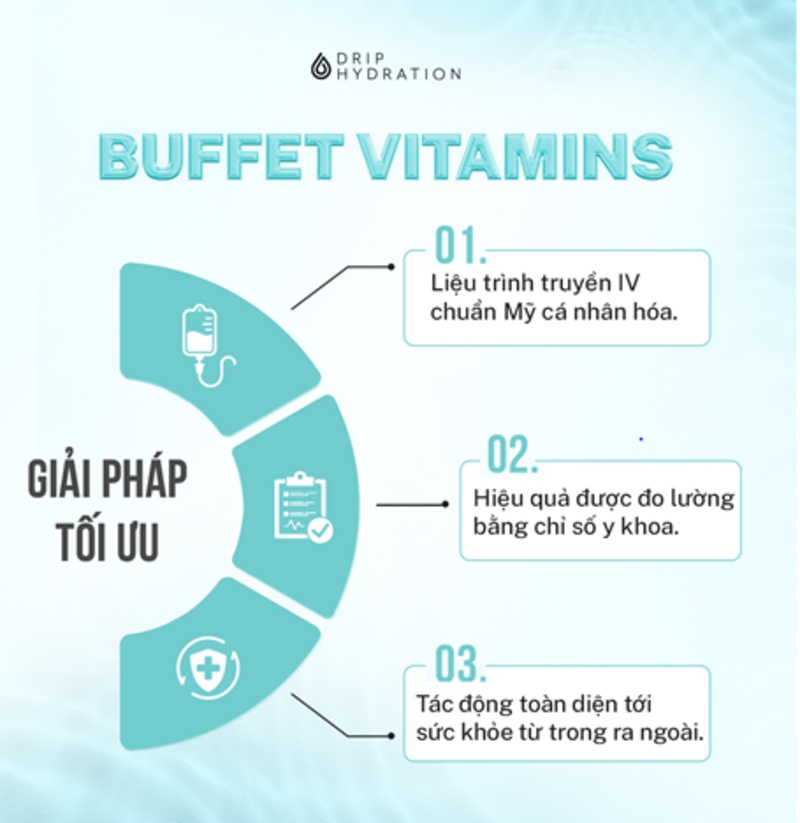
The Buffet Vitamin therapy at Drip Hydration is scientifically engineered around the principle of optimizing Body energy from the cellular level. This specialized formula combines B-complex vitamins, vitamin C, magnesium, and powerful targeted antioxidants to support the mitochondrial network in operating at peak efficiency.
Unlike short-lived artificial stimulants, this clinical therapy focuses entirely on elevating energy production from within, enabling sustainable physical recovery and maintaining long-lasting alertness.

Why temporary stimulants are not a long-term solution
Relying on coffee and sugar to “get an energy boost” is a common habit, but these substances do not actually generate any biological fuel for the organism; they merely exert short-term effects on the central nervous system and blood glucose levels. Specifically:
- Zero real energy production: Caffeine simply stimulates neurological alertness; it does not increase actual ATP synthesis inside individual cells.
- Short-lived peaks followed by energy crashes: Dietary sugars cause sharp blood glucose spikes that are rapidly followed by steep drops, triggering profound fatigue and sluggishness afterward.
- High risk of chemical dependency: Frequent utilization forces the body to demand higher doses over time to achieve the same perceived effect.
- Disrupted sleep architecture: Excess caffeine scrambles circadian rhythms, directly craziering the nighttime recovery windows needed to replenish natural energy.
In conclusion, Body energy is far more than a simple feeling of being awake; it is the complex end-product of metabolic pathways operating inside every single cell. Recognizing the true causes of energy depletion and selecting recovery methods that work from within is the most scientifically sound and sustainable approach to long-term wellness.
Build lasting energy from within with The Energy Boost by Drip Hydration. This personalized micronutrient therapy is designed to support cellular energy production, enhance vitality, and help you stay energized throughout the day. Call 0901885088 to book your consultation today.
References
- Nature Reviews Molecular Cell Biology – Mitochondrial function and energy production
- American Journal of Physiology – Stress and ATP production
- Nutrients Journal – B vitamins and energy metabolism
- Cell Metabolism – Exercise-induced mitochondrial biogenesis
- ‘’Sleep deprivation alters metabolic markers including ATP’’
- Chronic stress targets mitochondrial respiratory efficiency in the skeletal muscle of C57BL/6 mice
- Effects of high-dose B vitamin complex with vitamin C and minerals on subjective mood and performance in healthy males
Bài viết của: Biên tập viên Drip Hydration