When facing post-stroke dementia, taking timely and coordinated action is crucial to supporting cognitive function and improving overall quality of life. So, what steps should be taken when managing post-stroke dementia?
Why is there a risk of post-stroke dementia?
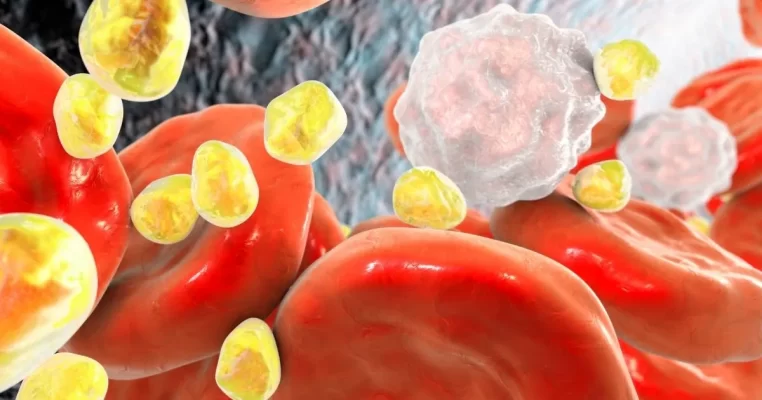
Following a stroke, brain cell damage typically results from a combination of vascular insults, including arterial narrowing from atherosclerosis, acute thrombotic occlusion, hypoperfusion, and intracranial hemorrhage. These events disrupt the supply of oxygen and essential nutrients to cerebral tissues, triggering widespread neuronal dysfunction and cell death.
During an ischemic or hemorrhagic stroke, cerebral architecture is compromised. Atherosclerosis progressively narrows the arterial lumen – diminishing baseline blood flow – while acute thrombosis or thromboembolism can cut off circulation entirely, leading to infarction and irreversible neuronal necrosis. In hemorrhagic events, vascular rupture leads to hematoma expansion and edema, which exert direct mechanical pressure and induce secondary ischemic injury in surrounding brain parenchyma.
Neurons within key cognitive and memory circuits – such as the hippocampus, thalamus, and frontosubcortical networks – are metabolically demanding and exquisitely vulnerable to ischemic and hypoxic stress. When these pathways are damaged or disconnected by stroke lesions, cognitive deficits, executive dysfunction, and memory loss ensue.
Consequently, the risk of post-stroke dementia (frequently vascular dementia) is driven not only by primary focal tissue loss, but also by strategic network disruption, cumulative microvascular disease, and impaired neuroplasticity in critical cognitive processing centers.
Manifestations and consequences of post-stroke dementia
Dementia is not a normal part of aging; rather, it is a progressive pathological neurocognitive disorder that demands timely clinical intervention. Post-stroke dementia presents through a range of cognitive, behavioral, and functional manifestations, including:
- Memory impairment: Patients frequently experience difficulty retaining new information, recalling recent events, or recognizing familiar people.
- Impaired concentration and processing speed: Patients often struggle with sustained attention, experience heightened distractibility, and require significantly more time to process information.
- Executive dysfunction: Individuals face challenges with complex cognitive tasks, such as multi-step planning, abstract reasoning, problem-solving, and decision-making.
- Language and communication difficulties (Aphasia/Dysphasia): Stroke-induced cognitive decline can impair expressive speech, naming, writing, and language comprehension, hindering everyday communication.
- Spatial disorientation and apraxia: Patients may become confused about time and familiar locations, or lose the ability to perform routine purposeful movements (such as dressing or using utensils).
- Neuropsychiatric and behavioral changes: Manifestations include emotional lability, apathy, depression, anxiety, agitation, and marked personality shifts.

Consequences:
- Loss of functional independence: Cognitive decline impairs the ability to perform activities of daily living (ADLs) – such as bathing, dressing, or managing finances – leading to a significant loss of personal autonomy and increased reliance on caregivers.
- Increased safety and accident risks: Diminished situational awareness, executive dysfunction, and impaired judgment markedly elevate the risk of falls, wandering, medication errors, and household injuries.
- Caregiver strain and burnout: Family members and primary caregivers often face substantial physical, emotional, temporal, and financial burdens, which can lead to chronic stress and burnout.
- High vulnerability to neuropsychiatric and medical comorbidities: Post-stroke dementia significantly heightens the risk of secondary clinical conditions, including major depressive disorder, severe apathy, sleep-wake cycle disturbances, and recurrent vascular events.
Given these manifestations and profound consequences, a multidisciplinary approach involving physicians, allied healthcare professionals, and family support is essential to preserve cognitive function, optimize patient quality of life, and mitigate caregiver burden.
What to do when experiencing post-stroke dementia?
Following a stroke, if you observe signs of cognitive decline, several steps can be taken to support the brain recovery process:
- Consult a physician: The most critical step is seeking professional medical care. A physician can provide an accurate clinical evaluation of your condition and prescribe appropriate treatment regimens.
- Adhere to the treatment plan: Strictly follow your physician’s prescribed treatment plan, which may include medications, lifestyle adjustments, or physical therapy.
- Establish a rehabilitation plan: Formulate a structured plan addressing post-stroke recovery and cognitive improvement. This may include participating in physical exercise programs, cognitive training, or consulting with a psychologist.
- Engage in cognitive exercises: Perform activities that stimulate the brain, such as reading books, solving puzzles, playing cognitive games, or learning a new skill.
- Adopt healthy nutrition: Nutrition is a vital component of rehabilitation. Ensure you consume a healthy, nutrient-rich diet while minimizing refined sugars and saturated fats.
- Seek emotional support: Do not hesitate to seek emotional support from family members, friends, or support groups. You may experience a loss of confidence post-stroke, and having encouragement from loved ones helps navigate recovery challenges.
- Maintain an optimistic mindset: Although recovery takes time, remember that functional improvement is attainable. Maintain patience and optimism throughout your rehabilitation journey.

Remember that every individual responds uniquely to post-stroke brain recovery; therefore, working closely with your physician and healthcare specialists remains the optimal approach to identifying the most suitable strategy for you.
In summary, when coping with post-stroke dementia, adhering to your treatment plan, performing cognitive exercises, maintaining healthy nutrition, and seeking emotional support are essential. Combining these measures while maintaining an optimistic outlook creates the optimal foundation for recovery and an improved quality of life following a stroke.
Because recurrent vascular damage can worsen cognitive decline, proactive monitoring is essential. The Stroke Risk Screening and Management Support Program provides a comprehensive evaluation of vascular health, helping detect underlying risks early, support brain recovery, and manage post-stroke dementia through personalized prevention strategies.
Contact our hotline at 0901.885.088 or schedule a consultation today for detailed guidance and priority screening!
References: Webmd.com, Medicalnewstoday.com
Bài viết của: Biên tập viên Drip Hydration