Following the age of 40, systemic oxidative stress intensifies, accelerating biological aging pathways. This clinical article analyzes the specific vitamin E antioxidant benefits for women over 40, exploring its roles from safeguarding cell membrane structures to sustaining overall metabolic health and slowing down cellular senescence.
What exactly is vitamin E?
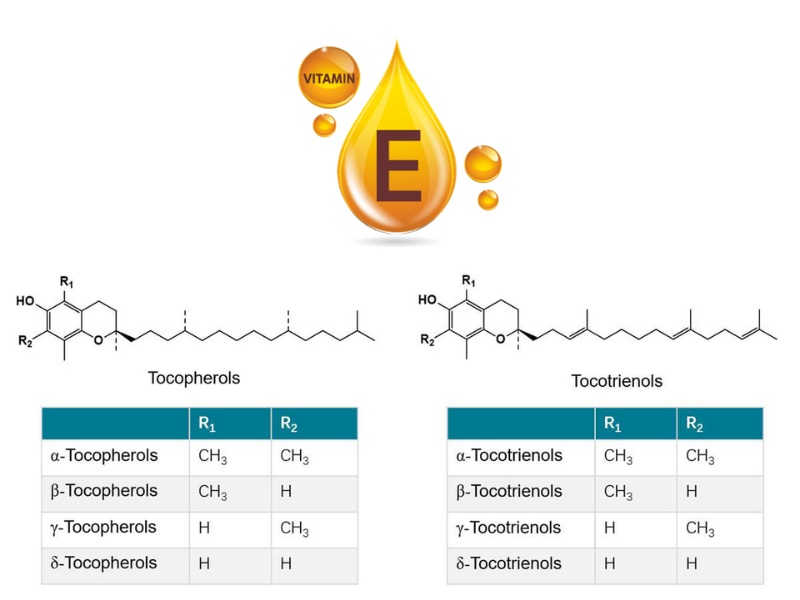
Vitamin E is not a single chemical compound, but a structural family composed of 8 distinct fat-soluble molecules:
- 4 tocopherols (alpha, beta, gamma, delta)
- 4 tocotrienols (alpha, beta, gamma, delta)
Among these molecules, alpha-tocopherol represents the format displaying the strongest biological activity and is preferentially utilized and retained by the human body.
Unlike water-soluble micronutrients, vitamin E is fat-soluble and remains stored primarily within hepatic (liver) tissues and adipose deposits, helping maintain a stable baseline concentration. At the cell membrane level, vitamin E actively prevents lipid structures from undergoing free radical oxidation, downregulating cellular injuries triggered by environmental stressors and endogenous metabolic waste products.
Oxidative risks and increased vitamin E requirements beyond age 40
Passing the age of 40 forces the female body to face escalating oxidative stress driven by natural chronological aging, fluctuating hormonal baselines, and environmental toxins. Vitamin E functions as a foundational fat-soluble shield that protects fragile cell membranes against aggressive free radical mutations.
If systemic parameters fall below the recommended dietary allowance (RDA) of 15 mg of alpha-tocopherol per day, your antioxidant defenses drop, noticeably elevating the clinical risk of:
- Cellular-level skin aging: Dermal tissues lose structural elasticity, forming deep lines, age spots, and hyperpigmentation as free radicals compromise skin cell membranes.
- Immune system downregulation: Peripheral defenses slacken, making your body vulnerable to localized inflammation and lengthening recovery times post-illness.
- Endocrine and visual disturbances: Failing to satisfy vitamin E requirements intensifies perimenopausal distress, including hot flashes and mucosal dryness, while accelerating macular degeneration inside ocular tissues.
- Muscle weakness and neuro-muscular defects: Vitamin E is structurally required to stabilize neural reflex transmission. Deeper depletions induce limb paresthesia (numbness) and poor motor coordination.
Biochemical mechanisms underlying vitamin E antioxidant benefits for women over 40
Entering the fifth decade of life shifts the female physiology into perimenopause, a transition characterized by deep endocrine and metabolic recalibrations. Dropping estrogen levels weaken the body’s natural antioxidant pathways, while continuous cellular aging, high work pressures, sleep fragmentation, and psychological strain accelerate the production of reactive oxygen species (ROS). Consequently, age 40 represents a major tipping point where oxidative duress outpaces self-repair mechanisms, manifesting as rapid dermal aging, plummets in physical stamina, hormonal disruptions, and elevated risks of chronic illnesses.
As a primary lipid-soluble antioxidant, vitamin E prevents free radicals from damaging cell barriers. The pathways driving vitamin E antioxidant benefits for women over 40 operate through multiple defensive mechanisms:
Neutralizing free radicals via electron donation
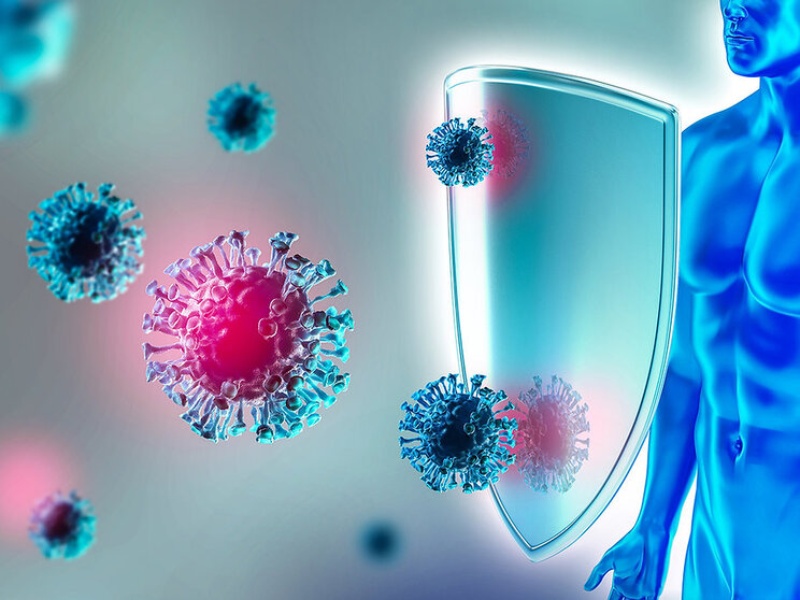
Free radicals are highly unstable, electron-deficient molecules that continuously strip electrons from surrounding healthy tissues, initiating an unchecked chain reaction of oxidative destruction. Once generated, they attack cellular components, mutating functional tissues.
The core chemical mechanism of vitamin E relies on directly neutralizing free radicals. It achieves this by donating a single electron to the unstable compound, neutralizing its reactivity and halting tissue damage. Crucially, the molecular structure of vitamin E remains stable after electron donation, preventing it from converting into a harmful radical.
Halting the lipid peroxidation chain reaction
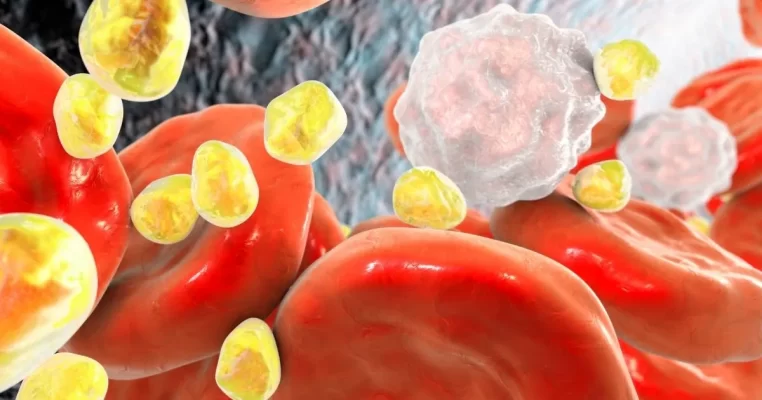
Human cell membranes are dense with polyunsaturated fatty acids (PUFAs), which are highly vulnerable to oxidative degradation. When targeted by circulating free radicals, they trigger a destructive lipid peroxidation chain reaction that alters phospholipids and collapses cell membrane integrity.
As a lipid-anchored shield, alpha-tocopherol stops this cascade by donating a hydrogen atom to lipid peroxyl radicals, inactivating them before the mutation spreads to neighboring structures. This mechanism allows vitamin E to reduce membrane damage and preserve lipid stability.
Optimizing this lipid pathway is vital for individuals experiencing oxidative stress in peri-menopause, as natural self-repair pathways decline with age, driving cellular decay.
A randomized clinical control study known as the VEAPS (Vitamin E Atherosclerosis Prevention Study), published in Circulation, evaluated the therapeutic impact of administering 400 IU of vitamin E daily over a 3-year course on 353 adults. The compiled data revealed that the vitamin E cohort displayed significant improvements in oxidative stress markers. Specifically, the treated group demonstrated a noticeable reduction in circulating oxidized LDL parameters (p = 0.03) and a significant decrease in LDL susceptibility to oxidation (p < 0.01) compared to the placebo branch.
Safeguarding cardiovascular and neurological pathways
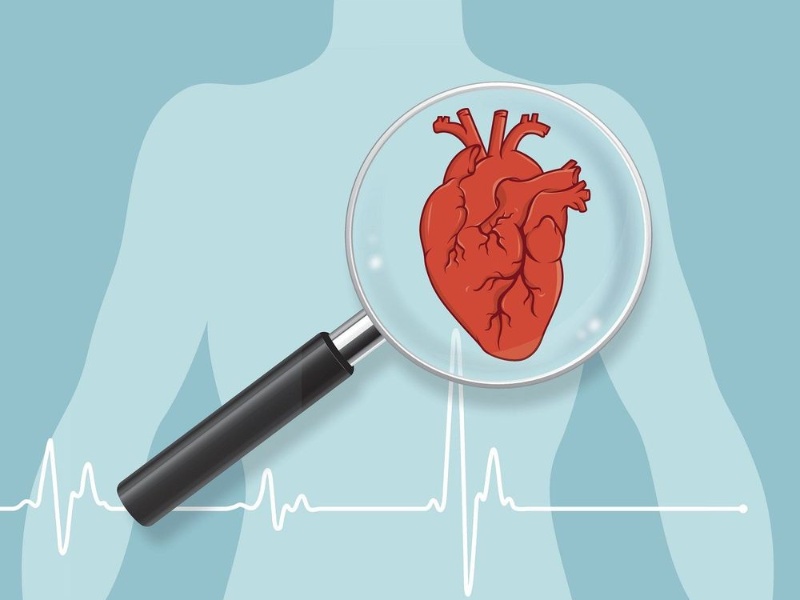
Post-menopausal individuals face an increased risk of cardiovascular disease as protective estrogen drops. Vitamin E safeguards the vascular system by blocking the oxidation of low-density lipoprotein (LDL) cholesterol. LDL must undergo oxidation before it can attach to arterial walls to form atherosclerotic plaques. Concurrently, vitamin E shields cerebral neurons against degeneration, supporting cognitive clarity and processing speed.
Clinical dosage guidelines for vitamin E
Because vitamin E is a fat-soluble compound that accumulates within bodily tissues rather than flushing out via urine, supplementation requires a calculated, balanced approach to avoid accumulation issues.
- Recommended dietary allowance (RDA): For adult females, the baseline nutritional requirement is fixed at 15 mg (equivalent to roughly 22.4 IU) per day.
- Anti-aging and therapeutic ranges: Depending on your unique biological metrics, clinical experts typically prescribe between 100 IU and 400 IU daily for women over 40 to address specific tissue needs.
- Tolerable upper intake level (UL): Never exceed 1,000 mg (approximately 1,500 IU) per day without medical monitoring, as extreme overconsumption disrupts blood coagulation cascades and increases bleeding risks.
Practical methods to maximize vitamin E antioxidant benefits for women over 40
To unlock the full therapeutic power of vitamin E, integrate a diverse strategy encompassing nutrition, oral supplements, and advanced clinical delivery routes:
Focus on natural, nutrient-dense whole foods
Prioritize the inclusion of whole foods rich in active tocopherols within your weekly menu planning:
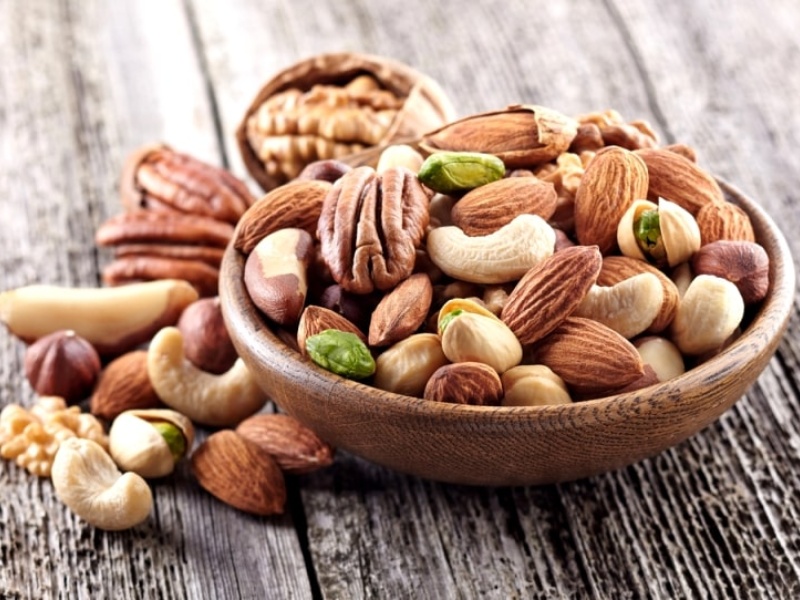
- Seeds and raw nuts: Raw almonds, sunflower seeds, and hazelnuts.
- Cold-pressed plant oils: Wheat germ oil (the most concentrated natural source), sunflower oil, and extra virgin olive oil.
- Fresh greens and low-sugar fruits: Fresh avocados, organic spinach, and broccoli.
Clinical tip: Since vitamin E requires dietary lipids to cross the gut wall, pair these vegetables with healthy monounsaturated fats to maximize your absorption rates.
Select high-bioavailability oral supplements
Because women over 40 frequently experience age-related declines in gastrointestinal transport efficiency, selecting the correct supplement format is key. Always choose oral formulas derived from natural origins (labeled as d-alpha-tocopherol) over synthetic structures (dl-alpha-tocopherol), as natural tocopherols exhibit twice the biological availability and cellular retention kinetics.
Advanced intravenous cellular rejuvenation protocols
When you enter your 40s, internal organs begin exhibiting widespread micro-nutritional depletions and accelerated cellular wear. Under these conditions, traditional oral absorption pathways are often insufficient to reverse deep oxidative damage.
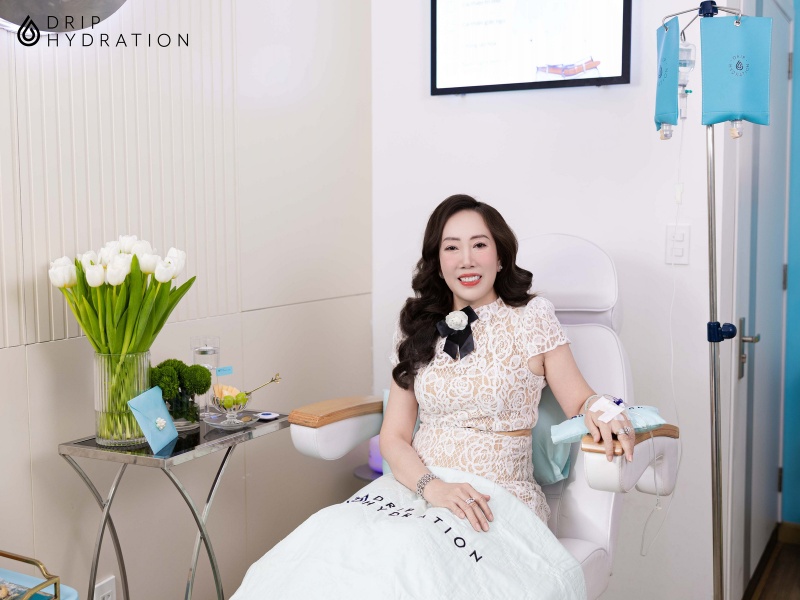
To maximize the vitamin E antioxidant benefits for women over 40, Drip Hydration’s specialized, All-Inclusive intravenous infusion protocol delivers an advanced age-reversal solution directly into your circulatory network.
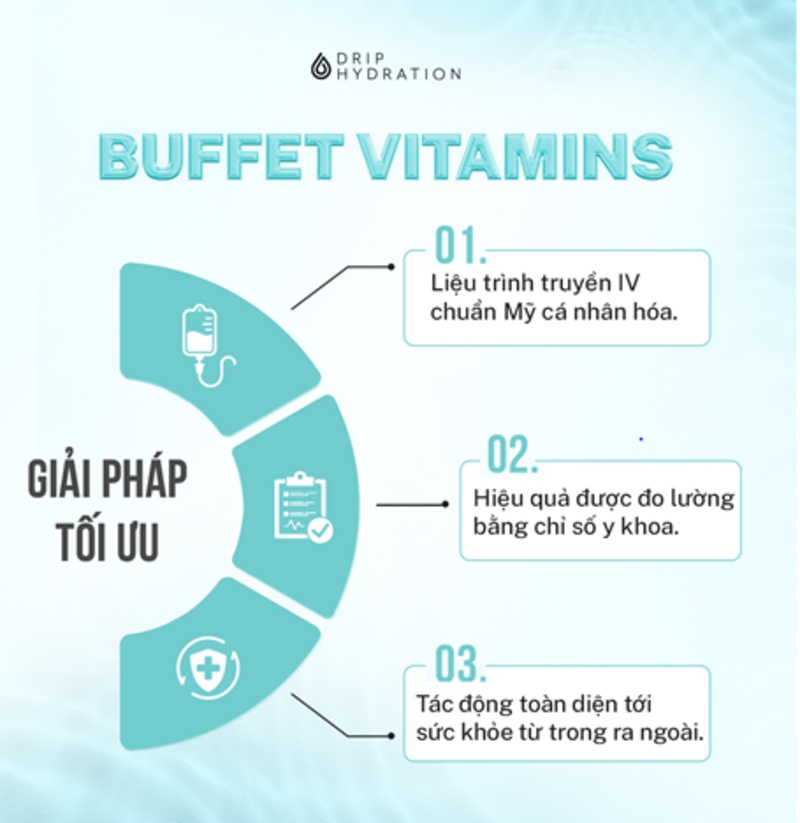
By bypassing gastrointestinal barriers, this premium therapy infuses a highly bioavailable matrix of pure vitamin E synergized with elite co-antioxidants like Glutathione and Alpha Lipoic Acid (ALA). Within this formulation, ALA and Glutathione work in tandem to continuously recycle and regenerate vitamin E at the cellular level. This powerful interplay prevents free radicals from damaging cell barriers, effectively neutralizing perimenopausal oxidative stress to restore radiant skin, support hormonal balance, and elevate long-term wellness.
Every regimen is structurally personalized by our medical team following a pre-infusion health assessment and blood chemistry panel. This advanced approach is highly indicated for:
- Individuals requiring rapid physical and cognitive rejuvenation following acute illnesses, chronic pathologies, or surgical interventions.
- Patients managing chronic fatigue syndrome, professional burnout, and deep energy depletion.
- Women looking to fortify immune cell vigilance while optimizing the health of their skin, hair, and nail structures.
- High-intensity athletes or professionals demanding rapid physical stamina recovery.
When exploring the vitamin E antioxidant benefits for women over 40, building a scientific, personalized supplementation strategy tailored to your exact physical metrics is a vital milestone to sustain long-term vitality. To secure your comprehensive clinical screening and build your personalized wellness phacotherapy, contact the medical team at Drip Hydration today via our hotline at 090 1885 088.
References:
Bài viết của: Biên tập viên Drip Hydration